BY CUBUI
A new documentary centered on Melania Trump was promoted as a stylish, intimate portrait of a first lady returning to the White House. Instead, its theatrical rollout has become a case study in how political branding and heavy marketing cannot always manufacture genuine audience interest.
The film, titled Melania, reportedly cost around $60 million to produce and follows the former first lady during the 20 days leading up to Donald Trump’s second inauguration. Trailers and promotional appearances framed it as “beautiful,” “emotional,” and “cinematic,” with Trump himself publicly praising the project. Yet as the movie opened internationally—beginning with Australia—reports quickly surfaced of canceled screenings, nearly empty theaters, and in some cases just one or two tickets sold per showing.
Industry observers say the problem is not merely critical reception but basic demand. Screenshots of vacant seating charts circulated widely on social media, fueling online mockery and late-night comedy segments. On platforms like Letterboxd, users review-bombed the film, often admitting they had not watched it but expressing disinterest in doing so. While such reactions are not a substitute for box-office data, they reflect a broader cultural skepticism toward the project.
Behind the scenes, sources cited in media commentary claim that Republican-aligned clubs in several conservative areas have purchased blocks of tickets—or entire screenings—to avoid the optics of empty theaters. These tickets were allegedly distributed for free or at steep discounts to members. If accurate, such efforts underscore the challenge facing the film: even free access has struggled to translate into real attendance. Insiders described the tactic less as promotion than as image management, aimed at signaling support rather than attracting viewers.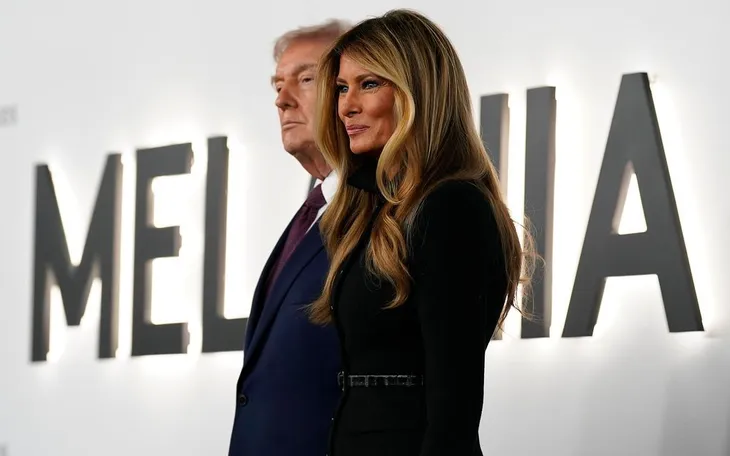
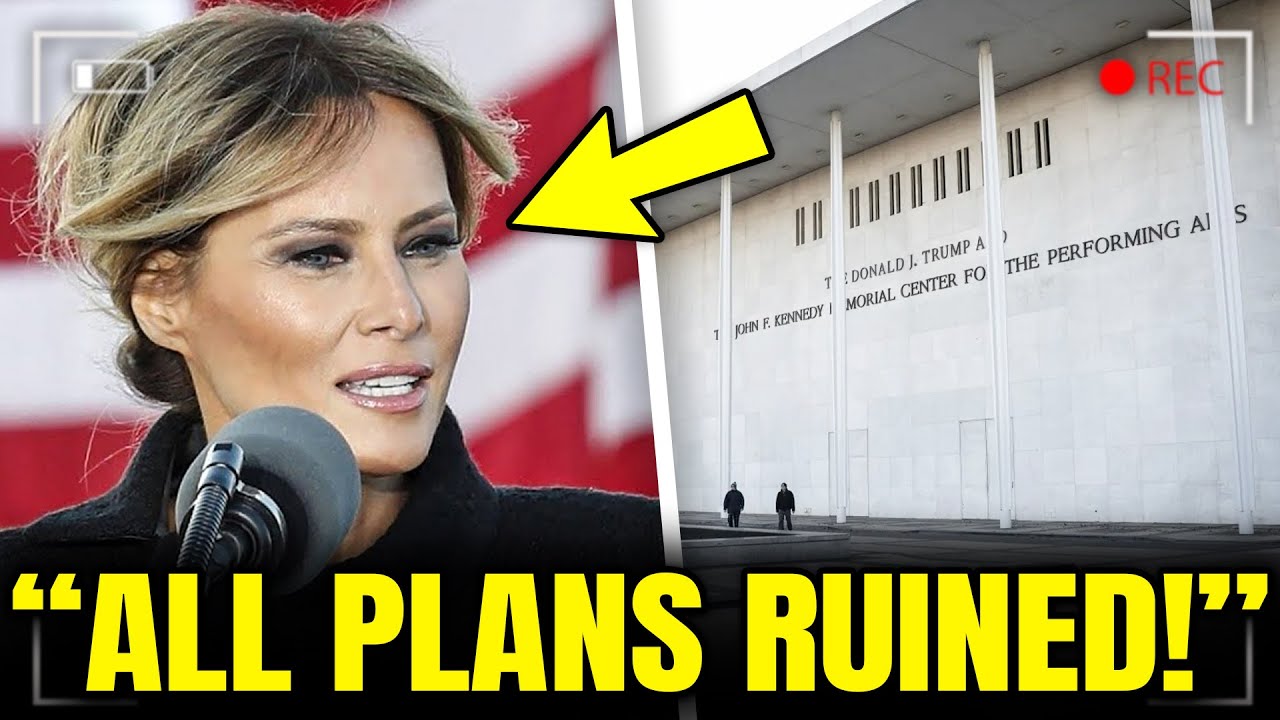
The film’s release strategy added to the controversy. Its Washington premiere at the Kennedy Center was reportedly a tightly controlled event, featuring Trump, Melania, conservative donors, and corporate executives, while much of the mainstream press was kept outside. Critics argue that the premiere felt more like a political gathering than a traditional film debut, reinforcing perceptions that Melania functions as messaging rather than mass-market entertainment.
Financial scrutiny has also followed the project. Amazon MGM Studios reportedly paid tens of millions of dollars for worldwide rights and spent heavily on global marketing. Despite that push, reports from the UK and U.S. suggested extremely weak ticket sales, raising questions about whether the theatrical release was intended to succeed on its own merits or primarily to support broader branding goals.
Adding to the debate is the film’s director, Brett Ratner, whose return to a high-profile project has drawn criticism due to past controversies that led to his effective exile from Hollywood in 2017. While Ratner has denied wrongdoing and was never criminally charged, his involvement prompted renewed discussion about the optics of attaching such a figure to a first-lady documentary. Several crew members reportedly requested anonymity or removal from the film’s credits, an unusual step that suggests discomfort with public association rather than dissatisfaction with pay or craft.
None of this appears to have shaken Melania Trump’s public confidence. Following a private White House screening, she described the film on social media as an “historic moment,” praising the creative team and expressing pride in sharing her story. From her perspective, the documentary may be less about box-office numbers than about legacy—offering her own narrative during a politically charged era.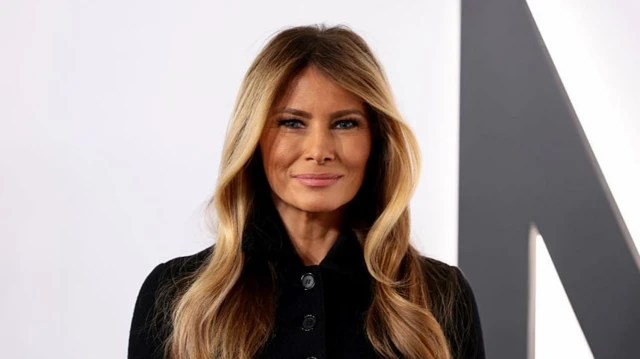
Cultural analysts say the muted response reflects a deeper disconnect. Melania Trump has maintained a famously distant public persona, appealing neither to progressive audiences nor to segments of the conservative base that prioritize outspoken activism. As a result, the film sits in an awkward middle ground: too political to attract casual moviegoers, yet too personal and subdued to energize partisan supporters.
The outcome highlights a recurring lesson in modern media: visibility does not equal demand. Marketing budgets, curated premieres, and institutional backing can create attention, but they cannot compel curiosity. In this case, the documentary’s struggles suggest that audiences are increasingly resistant to projects perceived as political theater rather than storytelling.
Whether Melania eventually finds a second life through streaming—where curiosity, irony, or cultural debate might draw viewers—remains to be seen. For now, its theatrical run stands as a reminder that even the most powerful names cannot guarantee people will buy a ticket.