MONTREAL — Canada’s Foreign Affairs Minister Mélanie Joly delivered a notably sober and strategic message here on Thursday, standing alongside a vice president of the European Commission as she outlined a vision for closer alignment with Europe amid persistent trade tensions with the United States.
Ms. Joly’s remarks carried a gravity that went beyond routine diplomatic language. She spoke of building stability with trusted partners in an increasingly complicated world, emphasizing the need for Canada and Europe to stand “shoulder to shoulder” in the face of economic pressures.
The minister described a global environment shaped by American protectionism on one side and Chinese industrial overcapacity on the other. In response, she said, middle powers like Canada and European nations must strengthen cooperation across key sectors to protect workers, businesses and shared democratic values.
Ms. Joly highlighted steel, aluminum, aerospace, defense and artificial intelligence as priority areas for deeper integration. She noted Europe’s substantial needs in aluminum for defense production and pointed to opportunities for Canada’s Bombardier to expand in European markets, alongside Airbus.
The comments reflect a broader shift in Canadian foreign policy under Prime Minister Mark Carney. Rather than waiting for stability to return in relations with Washington, Ottawa is actively constructing alternatives through diversified partnerships.
This approach is not framed as a rejection of the United States, Canada’s largest trading partner. Officials repeatedly stress that the strategy aims to reduce exposure to unpredictability while maintaining essential North American ties.
Ms. Joly’s appearance with Stefan Sjon, the European Commission vice president, underscored the seriousness of the effort. The two discussed advancing the Comprehensive Economic and Trade Agreement and preparing for an upcoming Canada-European Union leaders’ summit.
Talks focused on going “beyond free trade” to include greater coordination in defense procurement and integration of certain economic sectors. Both sides see value in aligning standards and fostering fair competition based on rules.
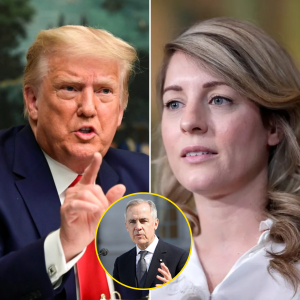
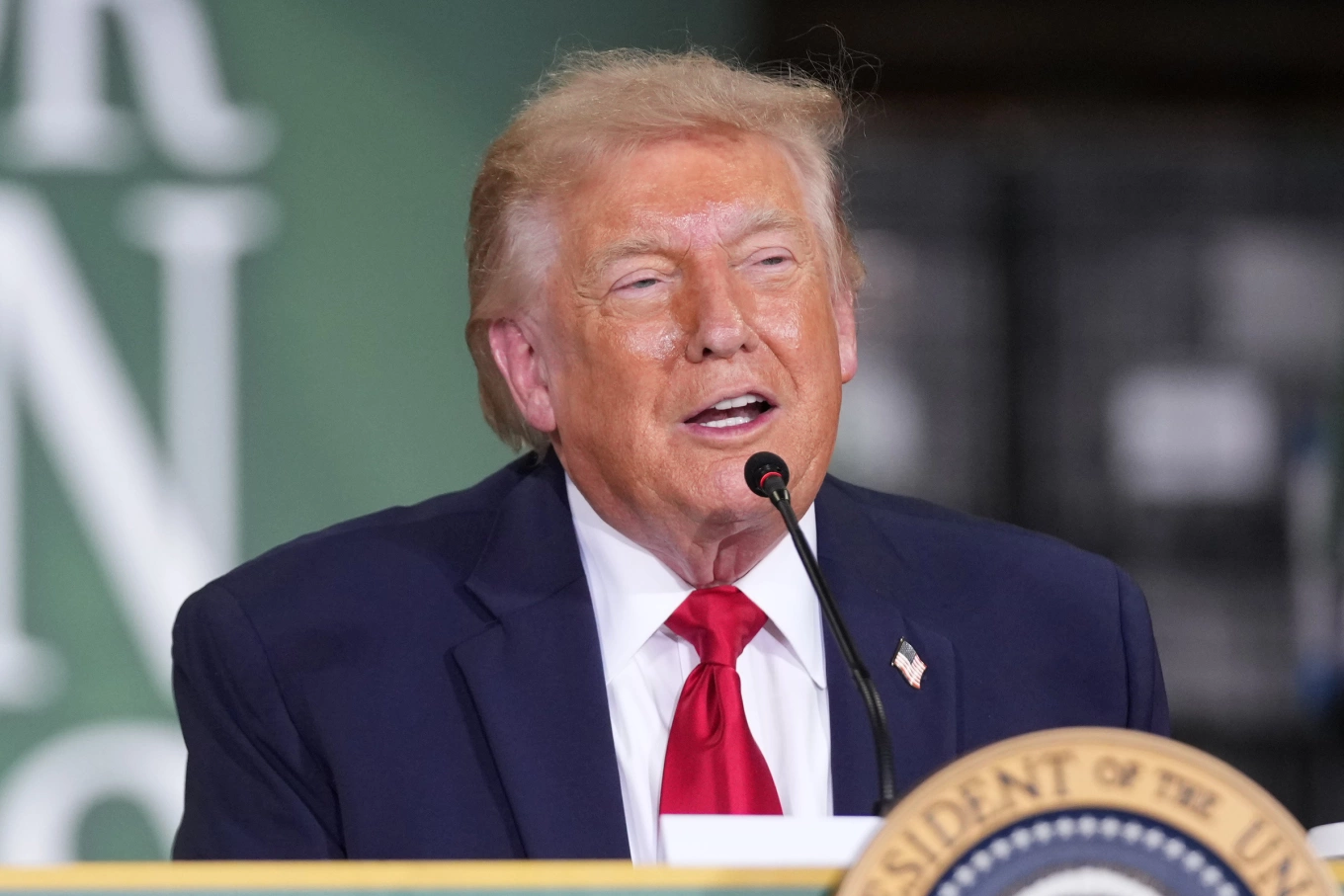
The timing of the Montreal meeting is telling. It follows recent Canadian diplomatic moves, including Mr. Carney’s pre-G7 stops in Paris and Dublin, and comes amid ongoing concerns about U.S. tariff threats and policy volatility under former President Donald J. Trump.
Ms. Joly acknowledged China as an important trading partner, referencing a recent deal that dramatically lowered tariffs on Canadian canola from around 85 percent to 15 percent. That agreement has already boosted Prairie farmers and canola prices.
Yet she positioned deeper European ties as a strategic counterbalance — a “third way” that offers stability between the pressures exerted by the world’s two largest economies.
European officials welcomed the outreach. With a combined market of roughly 450 million people, the European Union represents a vital destination for Canadian exports and investment, particularly in technology and critical minerals.
Analysts describe Canada’s posture as pragmatic hedging. After years of assuming the United States would remain a predictable anchor, Ottawa is adjusting to a new reality where trade policy can shift rapidly.
This diversification has manifested in multiple domains. Canada’s decision to purchase Saab GlobalEye aircraft from Sweden instead of American options signaled reduced defense dependence. Partnerships in artificial intelligence, such as Cohere’s collaboration with Germany’s Aleph Alpha, point in the same direction.
Supporters argue these steps enhance Canada’s sovereignty and economic resilience. By cultivating multiple strong relationships, the country is better positioned to weather uncertainty.
Critics, however, worry that overt emphasis on alternatives could strain the vital U.S.-Canada alliance. The two nations share more than $2 billion in daily trade and integrated supply chains that underpin jobs on both sides of the border.
Business groups have urged caution, warning that political signaling might complicate border operations, regulatory alignment or investment flows. Some conservative voices in Canada question whether the benefits of diversification outweigh the risks of alienating Washington.
Ms. Joly’s tone was firm on the need for stability. She described Europe as a trusted partner with shared labor standards, democratic values and a commitment to fair competition — qualities that make deeper integration appealing.
The minister also touched on aerospace collaboration, noting Montreal’s status as a hub and the potential for mutual benefits as both regions increase defense spending. Similar logic applies to artificial intelligence, where Canadian research centers could link more closely with European counterparts.
Financial markets have shown modest reactions to the evolving strategy. The Canadian dollar has experienced periods of volatility, while discussions about reserve management and U.S. Treasury holdings continue in policy circles.
As the G7 summit proceeds in France, Canada’s pre-summit diplomacy and statements like Ms. Joly’s suggest that the real groundwork for long-term positioning is happening on the sidelines and in bilateral engagements.
Prime Minister Carney, with his background in international finance, has championed this multi-track approach. Officials insist the goal is not confrontation but resilience — creating options so that no single relationship defines Canada’s economic security.
The strategy echoes efforts by other middle powers seeking agency in a world dominated by great-power competition. Whether it succeeds will depend on execution, partner reciprocity and the trajectory of U.S. policy.
For now, Ms. Joly’s message lands as both warning and invitation: Canada is preparing for a more uncertain era by building stronger alliances with those who share its vision of rules-based stability.
The coming months, including the Canada-EU leaders’ summit, will test how far this alignment can progress and how Washington responds to a more independent-minded neighbor.