Pam Bondi Under Fire: Lawmakers Seek Special Counsel After Explosive Epstein Hearing Clash
Documents referencing Donald Trump in Epstein files collide with the Attorney General’s sworn testimony, triggering calls for a perjury investigation.
In a dramatic moment during a congressional hearing that quickly reverberated across Washington, Attorney General Pam Bondi found herself facing mounting scrutiny after lawmakers accused her of potentially misleading Congress about references to Donald Trump in files related to the late financier Jeffrey Epstein.
The controversy erupted during a session of the U.S. House Judiciary Committee examining newly released Department of Justice documents connected to the Epstein investigation. Under oath, Bondi told lawmakers there was no evidence linking Trump to criminal conduct in the files.
But within minutes, members of Congress produced documents suggesting otherwise.
Representative Ted Lieu, armed with printed materials from the Justice Department’s own archive, held up pages during the hearing and walked through them step by step. According to Lieu, the documents included multiple references to Trump appearing in investigative tips, internal memos, and summaries of allegations recorded by federal investigators.
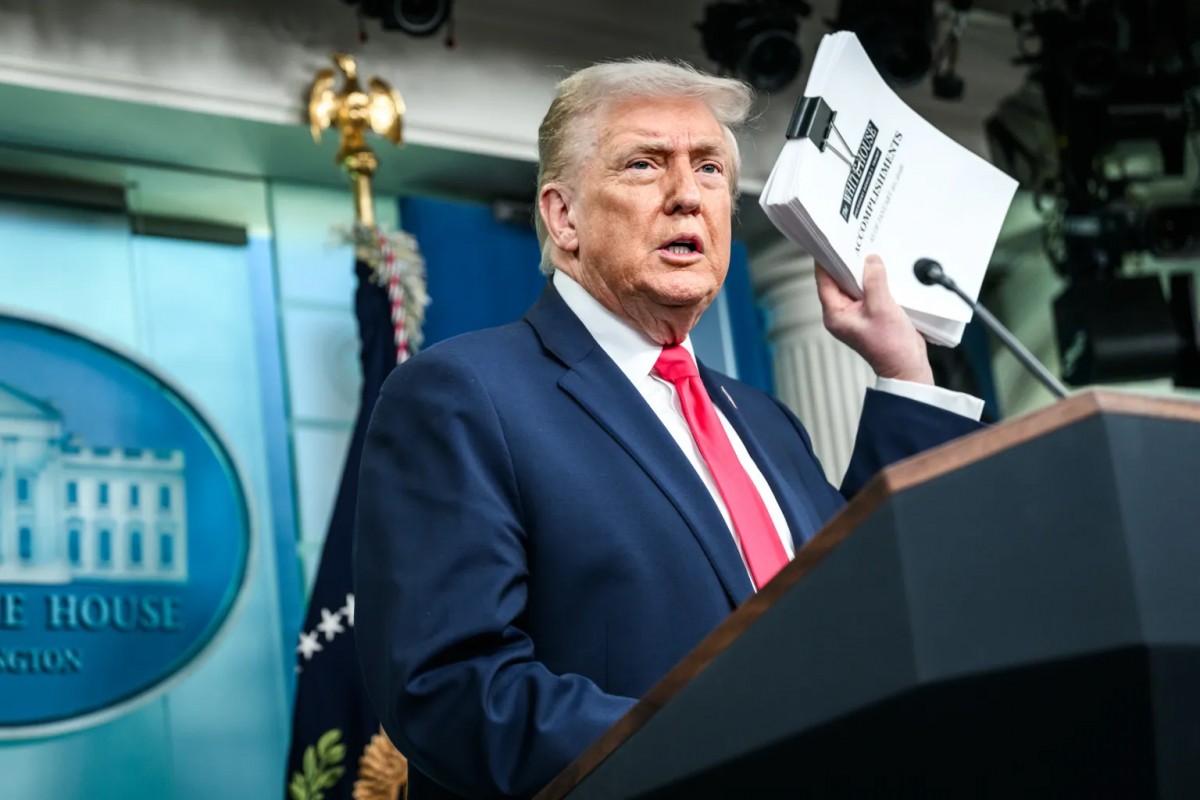
The exchange unfolded in real time before cameras.
Lieu pointed to a Department of Justice presentation summarizing allegations from a woman who claimed Trump assaulted her. Another document cited a witness account describing Epstein introducing a young woman to Trump at a social gathering. None of the claims have resulted in criminal charges, but their presence in official investigative files raised immediate questions about Bondi’s testimony.
Despite the documents being presented during the hearing, Bondi maintained her original statement.
“There is no evidence,” she repeated, standing by her earlier claim that the files did not implicate Trump in any crime.
That moment has since become the focal point of a growing political and legal dispute.
Days after the hearing, Representatives Ted Lieu and Dan Goldman formally requested the appointment of a special counsel to investigate whether Bondi’s testimony constituted perjury. In a letter to the U.S. Department of Justice dated February 24, 2026, the lawmakers argued that Bondi’s sworn statements appear to contradict documents produced by the department she oversees.
“An independent investigation is necessary,” the lawmakers wrote, citing what they described as a “serious discrepancy” between Bondi’s testimony and the material contained in the Epstein records.
The legal stakes are significant. Perjury—lying under oath to Congress—can constitute a federal crime if prosecutors determine the statement was knowingly false or made with reckless disregard for the truth.
Legal experts note that the case could hinge on interpretation. Bondi may argue that the presence of allegations or investigative tips in internal files does not constitute “evidence” of criminal wrongdoing, particularly when claims remain unverified.
Still, critics argue that dismissing the contents of official investigative records entirely raises troubling questions for the nation’s top law enforcement official.
Complicating matters further is Bondi’s long history of political ties to Trump. During her tenure as Florida’s attorney general, Bondi faced scrutiny after the Trump Foundation donated $25,000 to a political committee supporting her reelection campaign while her office was considering joining a multistate fraud lawsuit against Trump University.
Although Bondi ultimately declined to pursue the case, Trump later paid a penalty after the donation was determined to violate rules governing charitable foundations. Bondi has repeatedly denied any connection between the donation and her office’s decision.
That episode, critics say, adds context to the current controversy.
“This isn’t happening in a vacuum,” several lawmakers argued following the hearing. “There is a pattern that raises concerns about impartiality.”
Meanwhile, the political debate has been further complicated by a surge of viral content on social media. Several widely viewed videos claim Bondi was caught destroying evidence or being threatened with arrest by a judge. In reality, those clips are fictional dramatizations created for entertainment, though many viewers appear to have mistaken them for real events.
The confusion has blurred the public conversation, allowing some defenders to dismiss the controversy as misinformation even as the formal congressional inquiry moves forward.
What remains undisputed, however, is that the documents referenced in the hearing are authentic Department of Justice records. And the letter requesting a special counsel has now entered the official congressional record.

Whether the Justice Department will appoint an independent prosecutor remains uncertain. Because Bondi currently leads the department, critics argue that an internal investigation would pose an obvious conflict of interest.
For now, the issue may remain unresolved.
But the political consequences could linger. If a future administration revisits the case—or if additional documents emerge—the questions raised during that tense congressional exchange may return with even greater intensity.
At the center of it all is a single moment under oath, when the nation’s attorney general insisted there was no evidence—while lawmakers held documents suggesting the story might be more complicated.