Questions Over Parliamentary Accountability Place Prime Minister Under Renewed Scrutiny in Ottawa
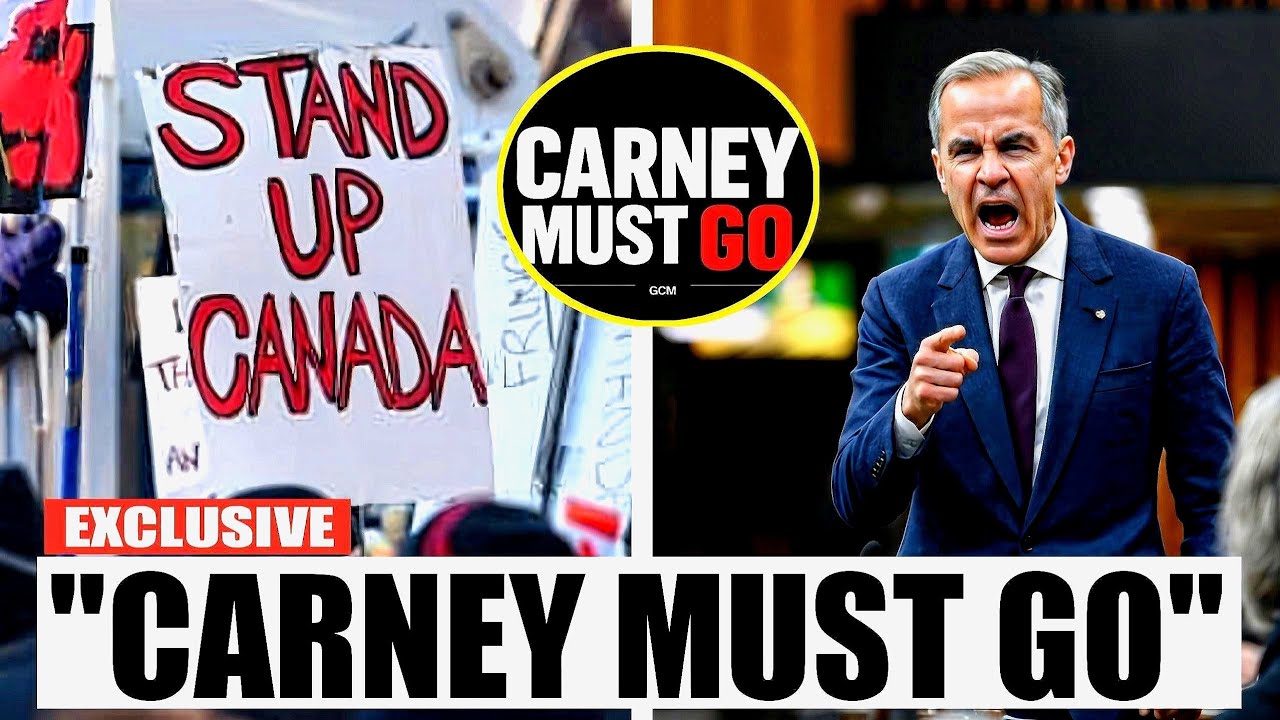
Canada’s federal political landscape faced renewed debate this week following a series of exchanges concerning the parliamentary attendance and accountability of Prime Minister Mark Carney. The discussion emerged through interviews with parliamentarians and political observers, placing renewed focus on the Prime Minister’s participation in Question Period and his willingness to respond directly to elected members in the House of Commons.
Several participants in the discussion argued that Question Period remains one of Parliament’s most important accountability mechanisms. They suggested that regular appearances by the Prime Minister provide an opportunity for members from different regions of the country to raise concerns directly tied to their constituents and obtain answers on pressing public policy issues.
Across recent parliamentary conversations, attention centered on how frequently the Prime Minister attends Question Period. Critics argued that while travel, government responsibilities, and external commitments are part of the role, Canadians also expect the country’s leader to maintain a visible presence in the House of Commons during periods when Parliament is sitting.
One exchange referenced the practice of former Prime Minister Justin Trudeau, who was described as regularly taking a wider variety of questions during designated appearances in Parliament. Participants suggested that such interactions allowed members from multiple parties and regions to raise local concerns directly with the country’s top political leader.
The discussion also highlighted the perspective that Parliament functions most effectively when ministers and prime ministers are accessible to scrutiny from both opposition leaders and rank-and-file MPs. Supporters of this view argued that accountability is strengthened when questions originate from communities experiencing specific local challenges.
Concerns raised during the conversation included infrastructure matters, regional development projects, and issues affecting communities across Eastern Ontario. Participants argued that direct exchanges between local MPs and the Prime Minister could provide greater transparency regarding government priorities and decision-making.
Another notable dimension of the debate involved comments from Jagmeet Singh. Singh expressed disappointment that, in his view, the Prime Minister had not remained in Question Period long enough to answer questions from New Democratic Party members. He argued that the party represents a significant number of Canadians and that its concerns deserve direct responses from the government’s highest office.
Singh further suggested that issues such as health care, Indigenous rights, and foreign policy often receive distinct attention from New Democratic MPs. According to his remarks, direct engagement with those questions would contribute to a more comprehensive parliamentary debate and strengthen democratic accountability.
The exchanges collectively highlighted widening divisions within Parliament regarding expectations for executive accountability. Opposition voices emphasized that leaders should remain available to answer questions from all recognized parties, while supporters of the government pointed to the broader demands placed on a prime minister both domestically and internationally.
At the heart of the controversy is a broader question about the balance between governing responsibilities and parliamentary obligations. While prime ministers frequently travel, participate in international meetings, and oversee government operations, critics contend that regular appearances in Parliament remain essential to maintaining public trust.


5
The debate also touched on comments regarding Doug Ford and public expectations surrounding political accessibility. Participants discussed whether political leaders benefit from appearing more frequently before reporters and legislators, suggesting that visibility can help strengthen confidence in public institutions.
Supporters of stronger parliamentary engagement argued that Question Period offers more than political theatre. In their view, it serves as a formal process through which governments explain policies, defend decisions, and respond to concerns raised by elected representatives from across Canada.
Government representatives, meanwhile, emphasized that the Prime Minister remains accessible through various channels and continues to answer questions from media organizations. During one exchange, it was noted that government officials regularly engage with journalists and provide public responses on policy matters.
The conversation unfolded against a backdrop of broader economic and political concerns. Participants referenced affordability challenges, economic uncertainty, and public frustration with government performance, all of which have contributed to heightened scrutiny of federal leadership in recent months.
Many observers noted that periods of economic anxiety often increase public expectations for visibility from national leaders. During times of uncertainty, voters frequently seek reassurance that decision-makers are prepared to explain policies and respond to criticism in a transparent manner.
The issue has therefore become larger than attendance statistics alone. Instead, it has evolved into a wider discussion about how Canadians define accountability and what they expect from elected leaders during moments of political and economic pressure.
Some participants argued that the Prime Minister’s extensive professional background and experience in economic governance create particularly high expectations. As a result, questions about transparency and responsiveness have attracted greater attention than they might under different circumstances.
Critics maintain that stronger engagement within the House of Commons could help address concerns about government accountability and reduce perceptions that important questions are being left unanswered. They contend that direct exchanges remain one of the most visible demonstrations of democratic oversight.
Others argue that leadership should be assessed through policy outcomes, government actions, and long-term results rather than attendance figures alone. From this perspective, parliamentary appearances are important but represent only one measure of executive performance.
As debate continues in Ottawa, the controversy has prompted renewed discussion across Canada’s political landscape about transparency, accessibility, and the responsibilities of national leadership. Whether the government adjusts its approach or maintains its current practices, the debate remains unresolved within Canada’s broader political landscape.