The air inside the Capitol felt heavier than usual. Lawmakers moved briskly through marbled corridors, trailed by cameras and whispered calculations. On the House floor, what began months ago as inquiry hardened into something far more consequential.
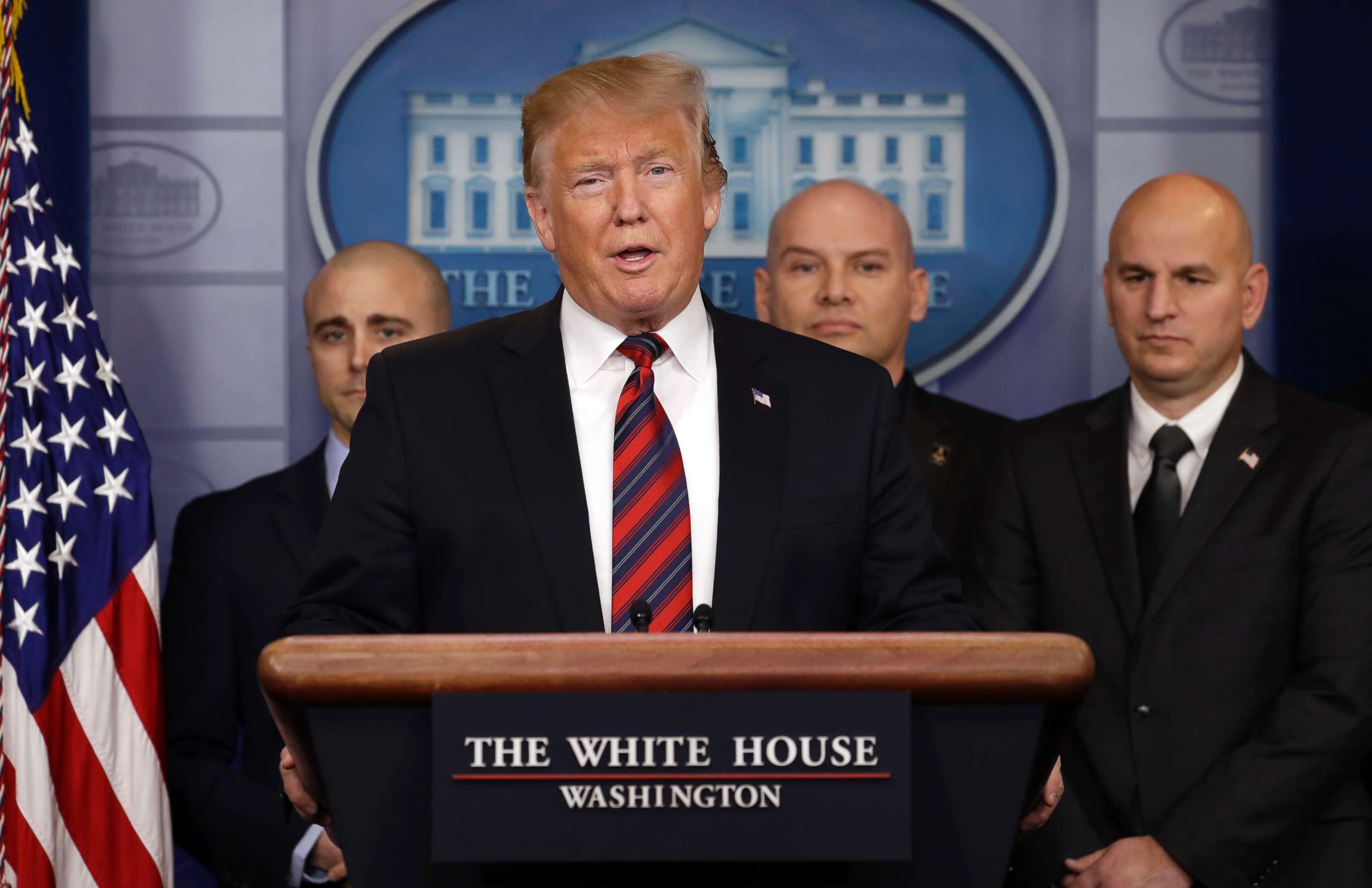
Investigative committees had spent weeks assembling testimony, documents, and procedural arguments. At the center stood President Donald Trump, accused of soliciting foreign interference and abusing presidential authority in ways critics say threatened constitutional boundaries.
Supporters of impeachment argue the stakes extend beyond partisan rivalry. They frame the inquiry as a defense of democratic norms, insisting that national security and electoral integrity cannot bend to political expediency or executive pressure.
In December, 140 members of the House voted to advance impeachment articles — a procedural step, not a final judgment. Yet the number reverberated through Washington, representing a sharp increase from earlier support and signaling shifting political ground.
Moderates and swing-district lawmakers joined the advance, underscoring the widening debate within both parties. For some, it was a reluctant move driven by constituency concerns. For others, it marked a moral threshold crossed.
Two resolutions anchor the current push. H.Res. 353 outlines seven charges, ranging from obstruction of justice to alleged abuses of trade and war powers. It also raises concerns over potential First Amendment violations and claims of bribery.
A separate resolution introduced by Al Green focuses on what it describes as extreme conduct. Allegations include threats against members of Congress, intimidation of judges, and unauthorized military actions carried out without legislative consent.
Outside the Capitol, demonstrations have intensified. Advocacy groups organize rallies and coordinated walkouts, amplifying public pressure. The spectacle underscores how impeachment debates rarely remain confined to committee rooms or parliamentary procedure.
Yet the path forward remains steep. Impeachment in the House requires 218 votes. Conviction in the Senate demands a two-thirds majority — a threshold historically difficult to reach, particularly in a sharply divided political climate.
Republican leaders caution against what they call a rush to judgment, arguing that the inquiry reflects partisan motives rather than constitutional necessity. Democratic leaders counter that accountability is not optional when executive power appears stretched.
Financial markets have reacted with measured restraint, reflecting uncertainty rather than panic. Investors often distinguish between political turbulence and economic fundamentals, though prolonged instability can test confidence in governance continuity.
For voters, the debate forces a stark question: how should power be constrained in a polarized era? Is impeachment a safeguard against excess, or a weapon sharpened by rivalry? The answer depends largely on where one stands.

History suggests impeachment proceedings rarely hinge on a single vote. Momentum builds incrementally — through hearings, procedural victories, and public opinion shifts. Each development shapes the narrative, even before final tallies are cast.
Inside the chamber, speeches carried both urgency and fatigue. Lawmakers invoked constitutional oaths, national security, and the will of their districts. The tension was palpable, not theatrical but institutional.
Whether the effort culminates in impeachment or stalls in political crossfire, the moment has already altered the landscape. It has exposed fractures within parties and tested the resilience of American democratic norms.
Capitol Hill has weathered crises before. But as this chapter unfolds, one truth remains clear: the battle over impeachment is not merely about one presidency. It is about the limits — and durability — of American power itself.