Jack Smith Turns the Tables as GOP Perjury Trap Collapses in Stunning Deposition Backfire
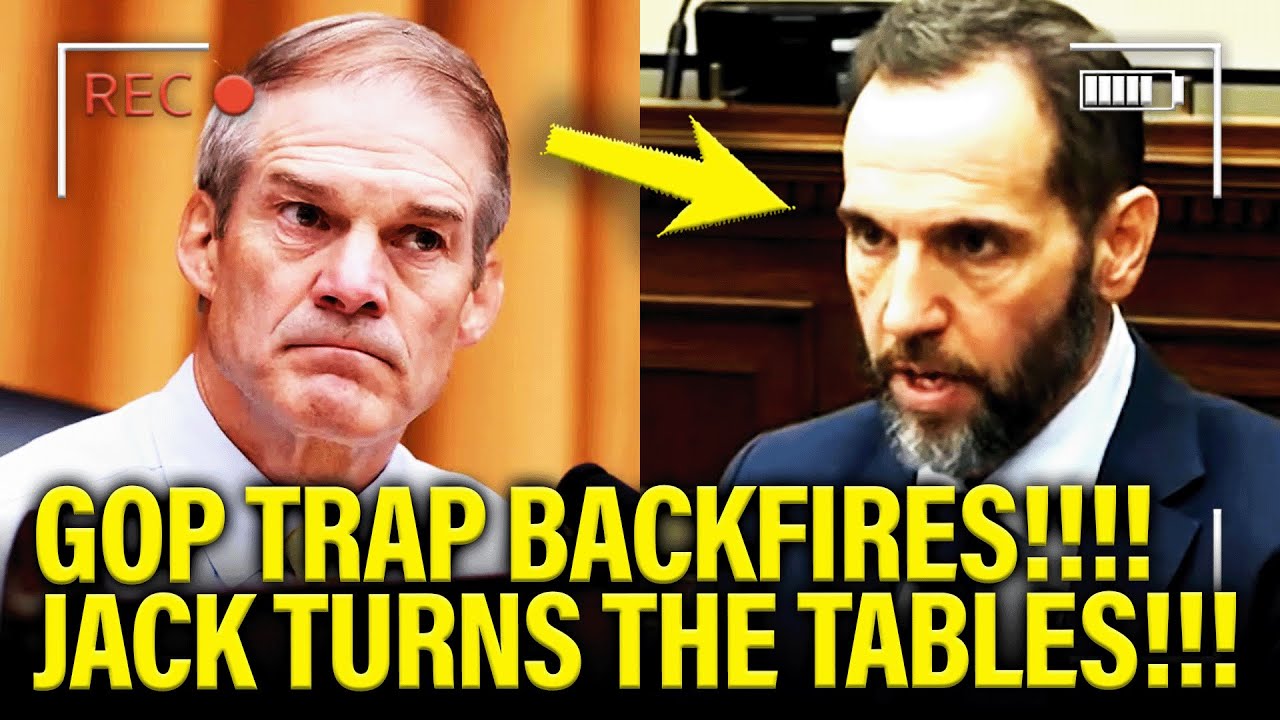
MAGA Republicans believed they had engineered the perfect perjury trap when they subpoenaed Special Counsel Jack Smith, hoping a closed-door deposition would yield soundbites to weaponize against him. Instead, the strategy unraveled, exposing political gamesmanship and elevating Smith’s credibility as a disciplined, unflappable prosecutor.
The deposition, demanded by Republicans at Donald Trump’s urging, was never intended to be transparent. Smith offered to testify publicly, for unlimited time, before Congress. That offer was rejected. GOP leaders opted for a private video deposition, later released quietly on New Year’s Eve, a move critics say reflected fear of public scrutiny rather than confidence in their case.
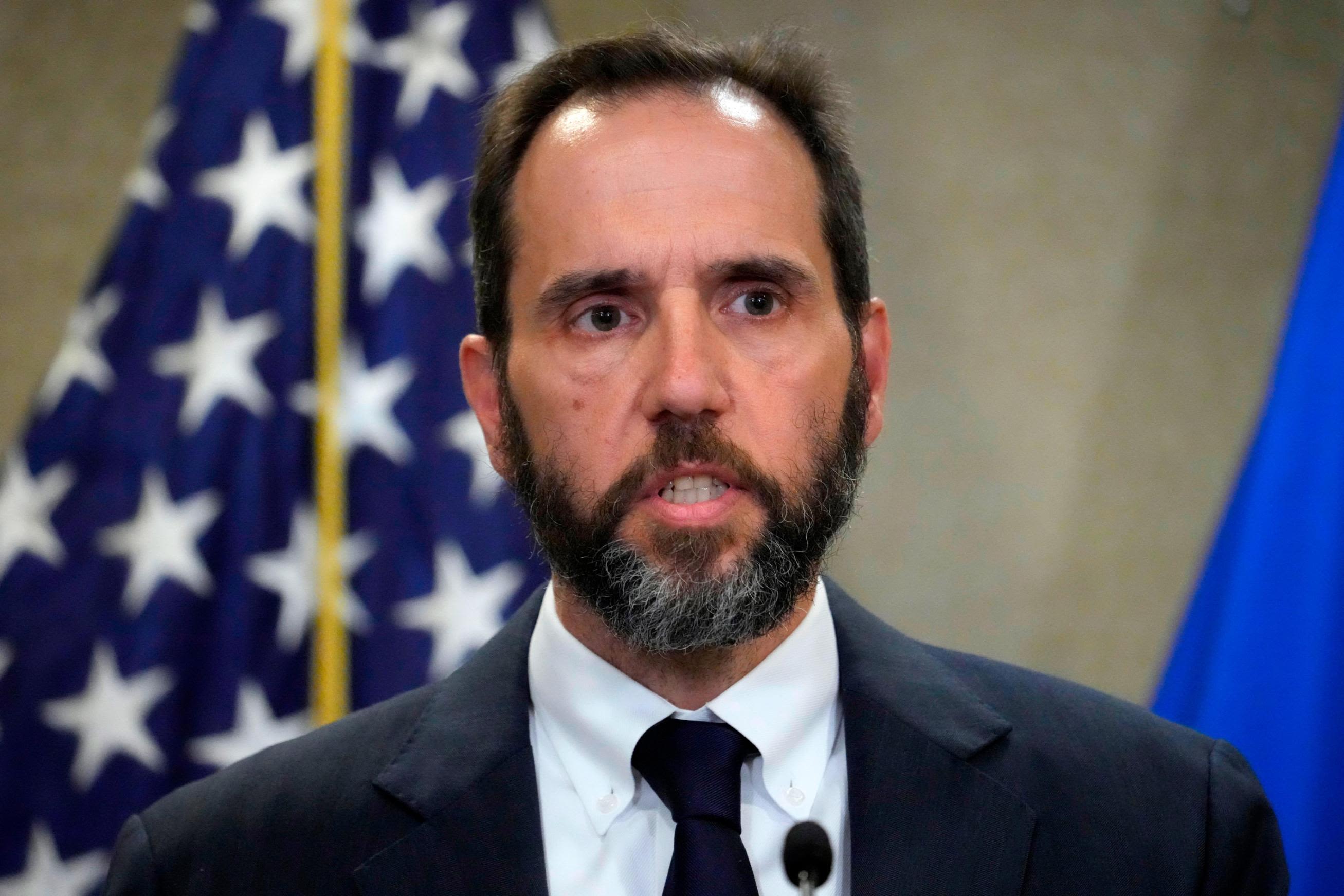
Tensions escalated just an hour before Smith arrived, when the Department of Justice sent a last-minute letter barring him from discussing non-public material in Volume Two of his report—the section covering the Mar-a-Lago classified documents investigation. Yet the DOJ refused to clarify what Smith could or could not say, placing him in an impossible legal gray zone.
Smith’s legal team immediately flagged the problem, warning that subpoenaing a witness while simultaneously blocking clear guidance created the conditions for an ethics or perjury trap. Smith proposed a straightforward solution: have a DOJ lawyer present to object in real time if a question crossed the line. The department declined, reinforcing concerns that the ambiguity was deliberate.

Despite the constraints, Smith handled the deposition with methodical precision. Calm, understated, and relentlessly factual, he navigated questions without speculation or exaggeration. Observers noted that Republicans struggled to challenge him substantively, a stark contrast to the aggressive narrative pushed by GOP allies in conservative media.
Legal analysts say the maneuver backfired badly. Rather than exposing misconduct, the deposition highlighted Smith’s adherence to long-standing federal prosecution standards, including his assertion that charges are brought only when evidence supports conviction beyond a reasonable doubt. Far from controversial, that principle underscored the legitimacy of the investigations Republicans sought to undermine.
The episode also revived outrage over Judge Eileen Cannon’s year-long suppression of Volume Two of Smith’s report. Critics argue the delay served no public interest and shielded key facts from voters, especially after Trump’s reelection rendered the case procedurally moot but not historically irrelevant.
What was meant to be a political ambush has instead become a case study in overreach. By forcing Jack Smith into a legally perilous setup and failing to land a single blow, Republicans handed him a lasting record of professionalism—while exposing their own strategy as cynical, reckless, and ultimately self-defeating.