In the volatile ecosystem of American politics and media, few relationships were once as symbiotic—and as revealing—as that between former President Donald Trump and radio host Howard Stern. Now, years after their most candid exchanges first aired, a trove of archived interviews has resurfaced, triggering renewed debate over Trump’s past remarks about women, marriage, and power.
Between 1993 and 2015, Trump appeared on The Howard Stern Show more than 100 times, speaking an estimated 104,000 words on air—reportedly more than the length of his 1987 book, The Art of the Deal. At the time, the appearances were often dismissed as brash entertainment: unscripted, provocative, and built for ratings. But in today’s hyper-polarized climate—amid lingering controversy over the Jeffrey Epstein case—those same recordings are being reassessed with sharper scrutiny.
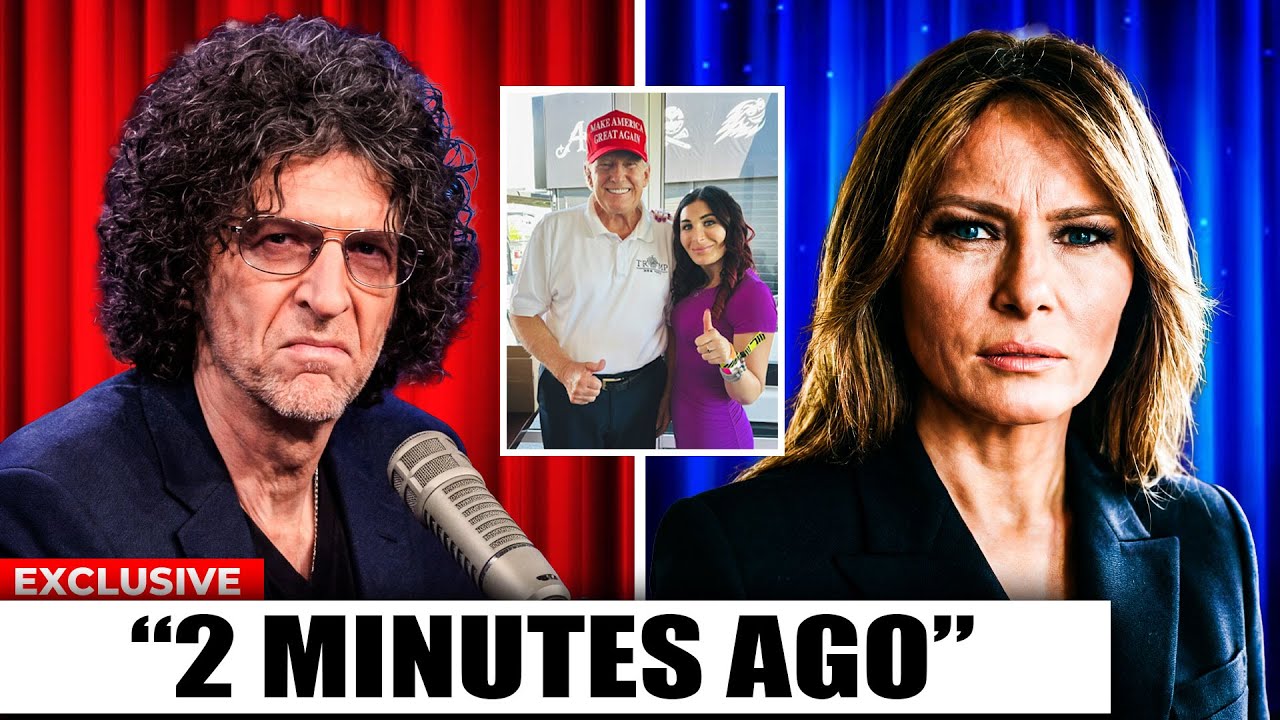
Stern himself once described Trump as the “best radio guest ever,” precisely because of his lack of filter. “Most people guard their thoughts,” Stern said in a later interview. “Not Donald.” That absence of restraint is now at the center of renewed criticism.
In one 1999 broadcast, Trump phoned in while dating Melania Knauss, now Melania Trump. At Stern’s urging, she briefly joined the conversation and answered questions about their relationship. The exchange, which included references to their intimate life, was delivered in the tone of shock-jock humor typical of the era. Trump could be heard laughing in the background. Critics today argue that what once passed as edgy entertainment now sounds like a public spectacle at the expense of personal boundaries.
Other archived moments have drawn similar attention. In a 2002 discussion about age and attractiveness, Trump joked about women reaching “checkout time” at 35—comments that resurfaced online alongside tabloid reminders of his later alleged affair with adult film actress Stormy Daniels in 2006, shortly after Melania gave birth to their son Barron. Trump has denied wrongdoing in various legal contexts, but the juxtaposition has fueled critics who see a pattern of objectification in his past rhetoric.
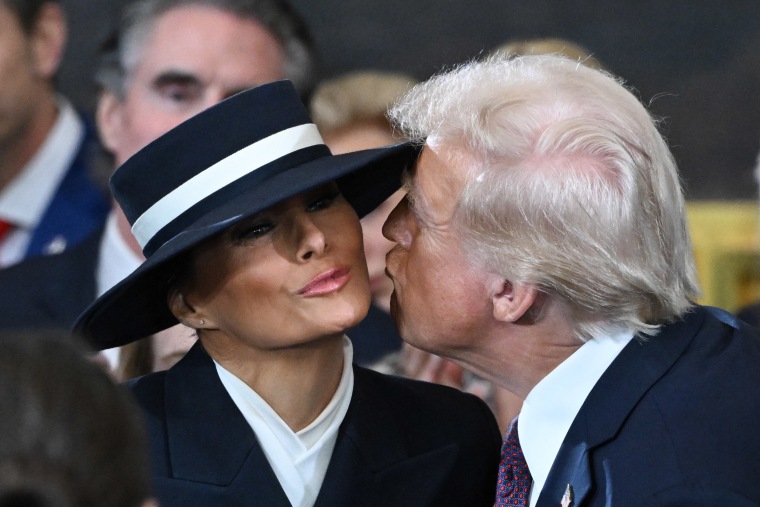
Perhaps most controversial are remarks in which Trump discussed women—including his wife—in transactional terms. In one exchange, he joked about having “got her for the right price,” a quip that listeners at the time interpreted as typical bravado. Today, detractors frame it as emblematic of a worldview that treats relationships as negotiations rather than partnerships.
The renewed circulation of these clips comes at a politically sensitive moment. Trump allies, including former Attorney General William Barr, have recently defended the Justice Department’s handling of documents related to Epstein. In a Wall Street Journal op-ed, Barr argued that the logistical scope of reviewing millions of pages justified delays in public disclosure. Critics, however, contend that transparency has been uneven and accuse the administration of selectively highlighting legislative achievements—such as the bipartisan Trafficking Survivors Relief Act—while avoiding broader questions about the Epstein files.
The political implications extend beyond policy disputes. The Stern archives underscore how dramatically Trump’s public persona has evolved. In the 1990s and early 2000s, he cultivated an image of flamboyant candor—rating celebrities’ appearances, boasting about wealth, and leaning into tabloid notoriety. After entering politics, that same bluntness became both a hallmark of his appeal and a liability.
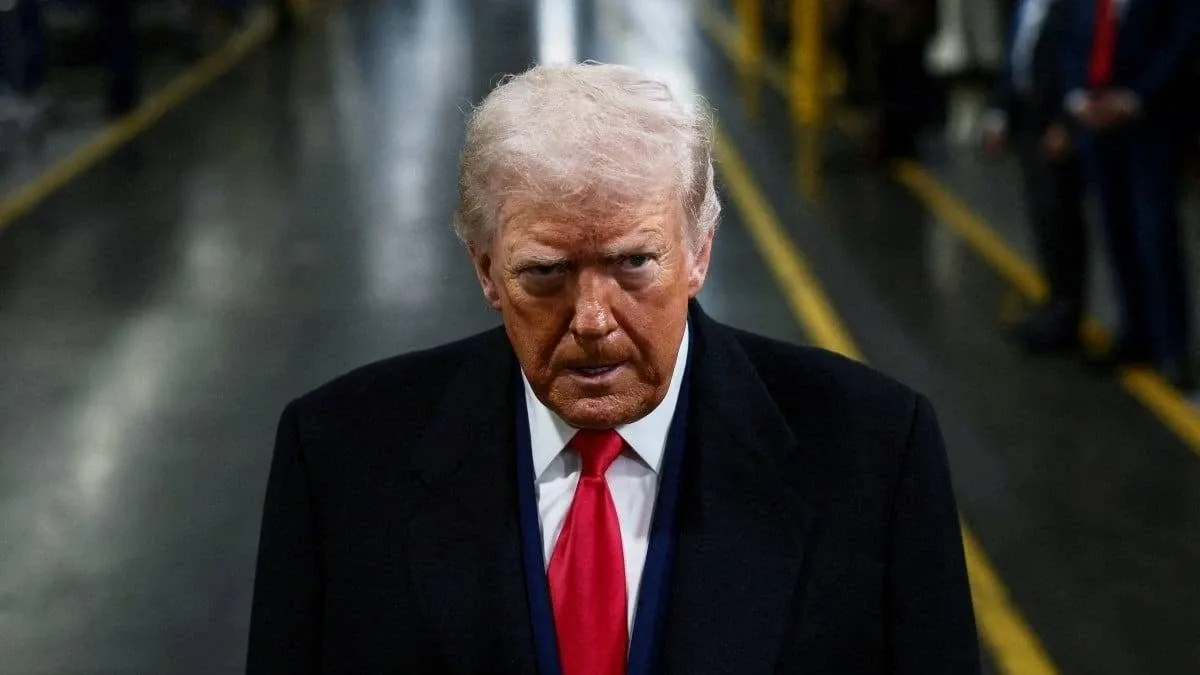
Stern himself has distanced from Trump in recent years, acknowledging ideological differences and criticizing aspects of Trump’s presidency. Trump, in turn, has accused the radio host of having “gone woke,” suggesting that Stern’s ratings suffered as a result. The mutual admiration that once fueled dozens of interviews has given way to public recriminations.
Media analysts note that the controversy illustrates a broader tension in American political culture: the collision between entertainment-era celebrity and presidential decorum. “What was once considered shock value is now part of the permanent record,” said one communications scholar. “The context changes, but the tape doesn’t.”
For supporters, the resurfaced audio changes little. They argue that the interviews reflect a pre-presidential era of unscripted radio banter and should not be retroactively judged by contemporary standards. For critics, however, the recordings offer unfiltered insight into character—evidence that the persona displayed on stage was not merely performance, but worldview.
As the 2026 political cycle accelerates and investigations continue to dominate headlines, the Stern archives serve as a reminder that in the digital age, no moment truly disappears. Words once delivered for laughs can return years later with sharper consequences.
Whether the renewed focus will shift public opinion remains uncertain. What is clear is that a decades-old microphone has once again amplified a national argument—about accountability, transparency, and the enduring power of recorded speech. And as clips circulate across social platforms and cable panels dissect every syllable, the online conversation is surging at full throttle, with the internet once again erupting in debate.