A Historic Pivot in the Shadow of American Pressure
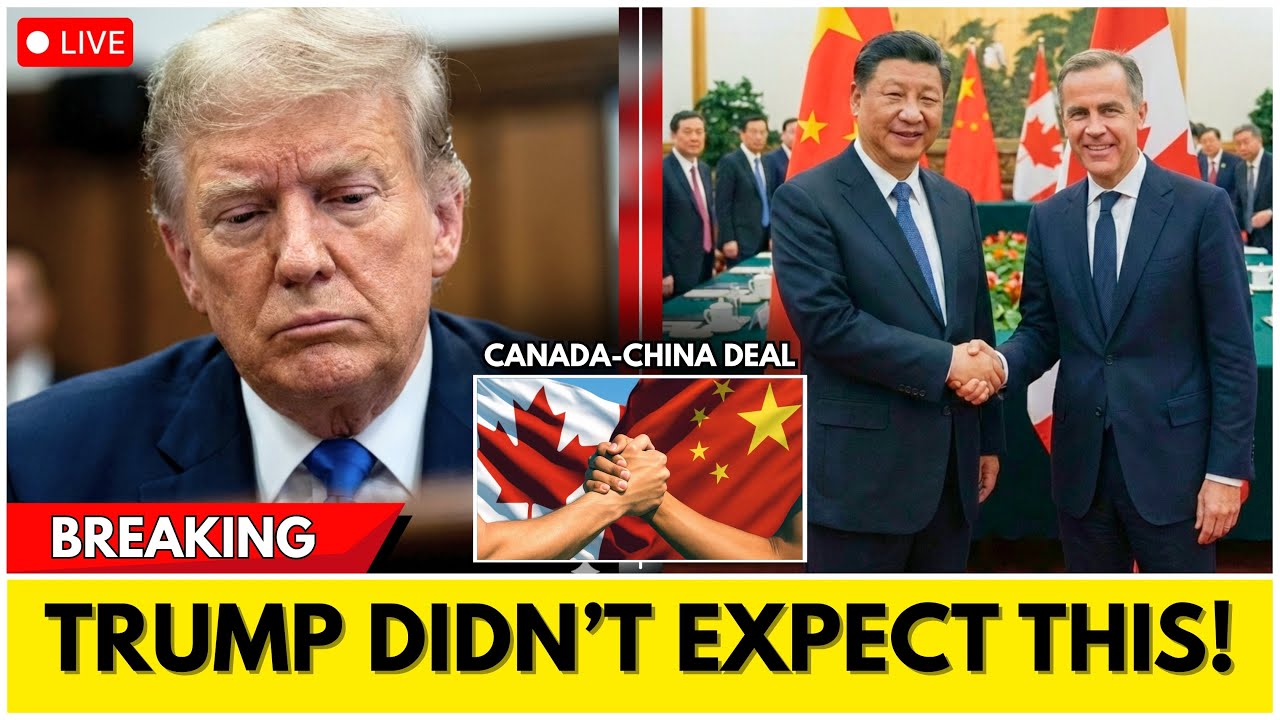
In the frosty dawn of January 2026, as President Donald J. Trump’s second term barrels forward with unrelenting tariff salvos and veiled threats of annexation, Canada has executed one of the most audacious geopolitical maneuvers in recent memory. Prime Minister Mark Carney, the former Bank of England governor turned Ottawa’s pragmatic leader, landed in Beijing on January 13 for the first Canadian prime ministerial visit to China in nearly a decade. What unfolded was no mere diplomatic courtesy call: it was a calculated declaration of strategic independence, redirecting vast flows of Canadian resources — oil, natural gas, canola, pork, seafood, and critical minerals — away from an increasingly unreliable American market and toward the world’s second-largest economy.
The move has blindsided Washington. For decades, Canada sent roughly 75 percent of its exports southward, binding its economic fate to the United States through integrated supply chains and the now-fraying USMCA framework. But Trump’s aggressive “America First” playbook — imposing steep duties on Canadian steel, aluminum, autos, and lumber, while floating the idea of Canada as the “51st state” — has shattered that complacency. Carney’s government, facing factory shutdowns, soaring input costs, and farmer distress from retaliatory measures, has responded with a bold ambition: double non-U.S. exports over the next decade, slashing dependence on a partner that now treats allies as economic adversaries.
The Beijing Breakthrough: From Frozen Ties to Energy Pacts
The visit itself carried symbolic weight. No Canadian prime minister had set foot in Beijing since Justin Trudeau in 2017, before relations cratered over the Huawei executive’s arrest, reciprocal detentions, and tit-for-tat tariffs. China slapped 100% duties on Canadian canola oil and meal, 75.8% on canola seed, and 25% on pork and seafood after Ottawa mirrored U.S. policy with 100% levies on Chinese electric vehicles in 2024. Prairie provinces suffered acutely: Saskatchewan canola exports to China plunged 76% in key months, Manitoba pork producers absorbed millions in annual losses.
Yet Carney arrived armed with a reset agenda. Meetings with President Xi Jinping, Premier Li Qiang, and top legislators yielded a flurry of agreements: memoranda on energy cooperation, lumber, pet food, culture, tourism, and long-term supply commitments for Canadian heavy crude and liquefied natural gas. The Trans Mountain pipeline expansion, operational since mid-2024, has already boosted oil shipments to Asia, including China, by over 240% in recent quarters. Refineries once reliant on Venezuelan heavy crude — redirected by Trump’s interventions — are now locked into Canadian grades, creating costly path dependency for Beijing’s energy security.
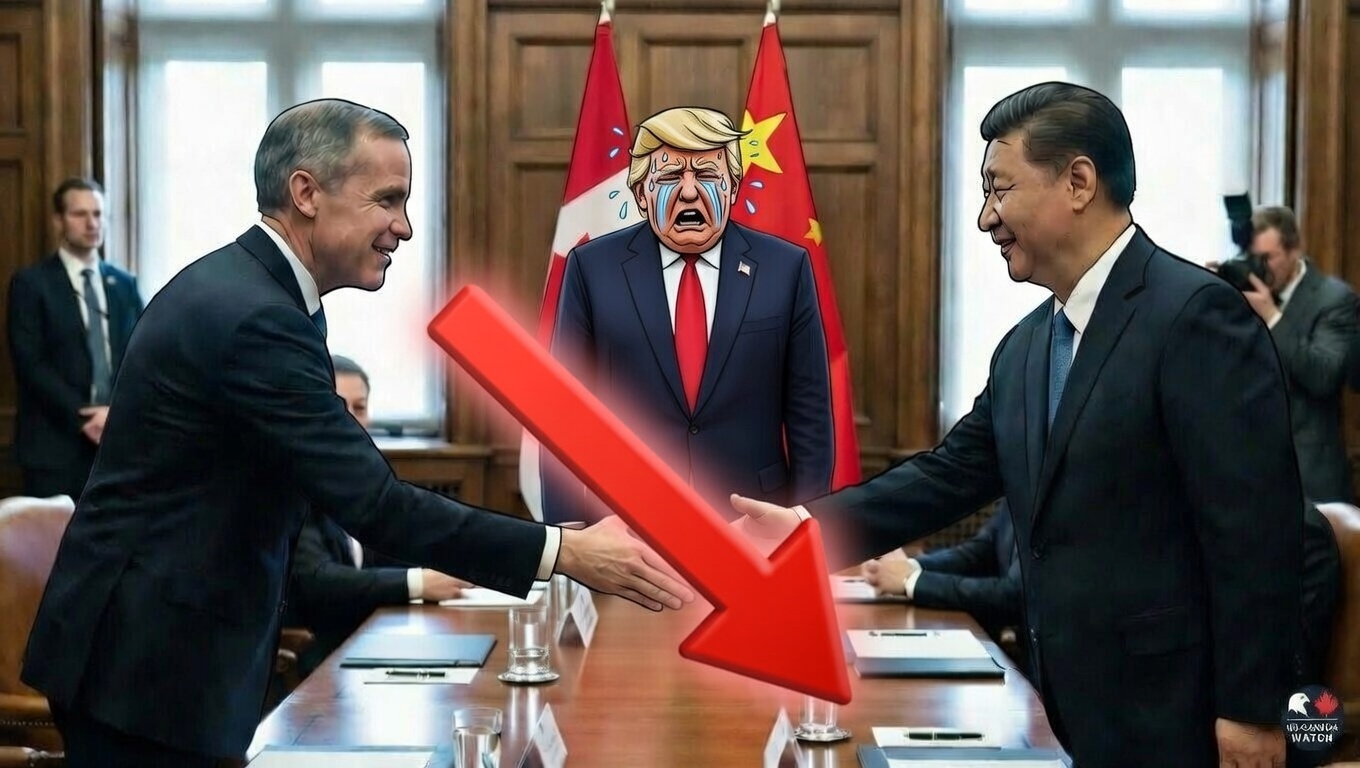
Negotiations hinted at a quid pro quo: Canada considering phased reductions on Chinese EV tariffs in exchange for Beijing lifting agricultural barriers. While no full tariff relief materialized during the trip, the framework signals relief for Western farmers desperate to regain their second-largest market, even as Ontario’s auto sector braces for competition.
Economic Shockwaves and Domestic Tensions
The pivot reverberates across North America. American industries reliant on Canadian critical minerals, energy feedstocks, and agricultural inputs now face potential shortages and price spikes as supplies reroute eastward. U.S. refineries and manufacturers, already strained by Trump’s global trade disruptions, risk paralysis if alternatives prove insufficient. In Canada, the strategy divides provinces: Prairie leaders applaud market diversification, while Ontario Premier Doug Ford warns of threats to the integrated auto industry.
Carney frames the shift as “strategic autonomy” — not abandonment of the U.S., but creation of counterbalances through deeper ties with Europe, India, Japan, South Korea, and now China. Bilateral trade, valued at roughly $118 billion in recent years, remains far below potential; revived flows could unlock billions annually in resource exports that China craves to hedge against unstable suppliers elsewhere.
Critics highlight risks: Beijing’s record on human rights, economic coercion, and political leverage. Carney insists on guardrails — protecting sensitive technologies, maintaining security vigilance, and upholding democratic values — while pursuing pragmatic engagement. The approach echoes Australia’s successful diversification amid past Chinese restrictions.
A New Geopolitical Reality
Trump’s reaction has been predictably volcanic, viewing Canada’s outreach as betrayal in a zero-sum world. Yet the irony is stark: his own policies — tariffs exceeding 100% on Chinese goods, forced redirection of Venezuelan oil, and contemptuous rhetoric toward neighbors — accelerated this rupture. Allies once aligned reflexively with Washington now seek options, eroding the automatic deference that defined post-war North American relations.
As Carney returns home, the Beijing reset stands as a watershed. Canada is no longer content as a passive resource appendage to its southern neighbor. By forging alternatives amid crisis, Ottawa has altered the continental dynamic, forcing Washington to confront the costs of treating partners as subordinates. Whether this gamble yields lasting resilience or invites fresh retaliation remains uncertain — but the era of unquestioned U.S. dominance over Canadian foreign policy appears irrevocably over.