A Dramatic Shift in Global Economic Alliances as Canada Turns to the Gulf Amid U.S. Pressure
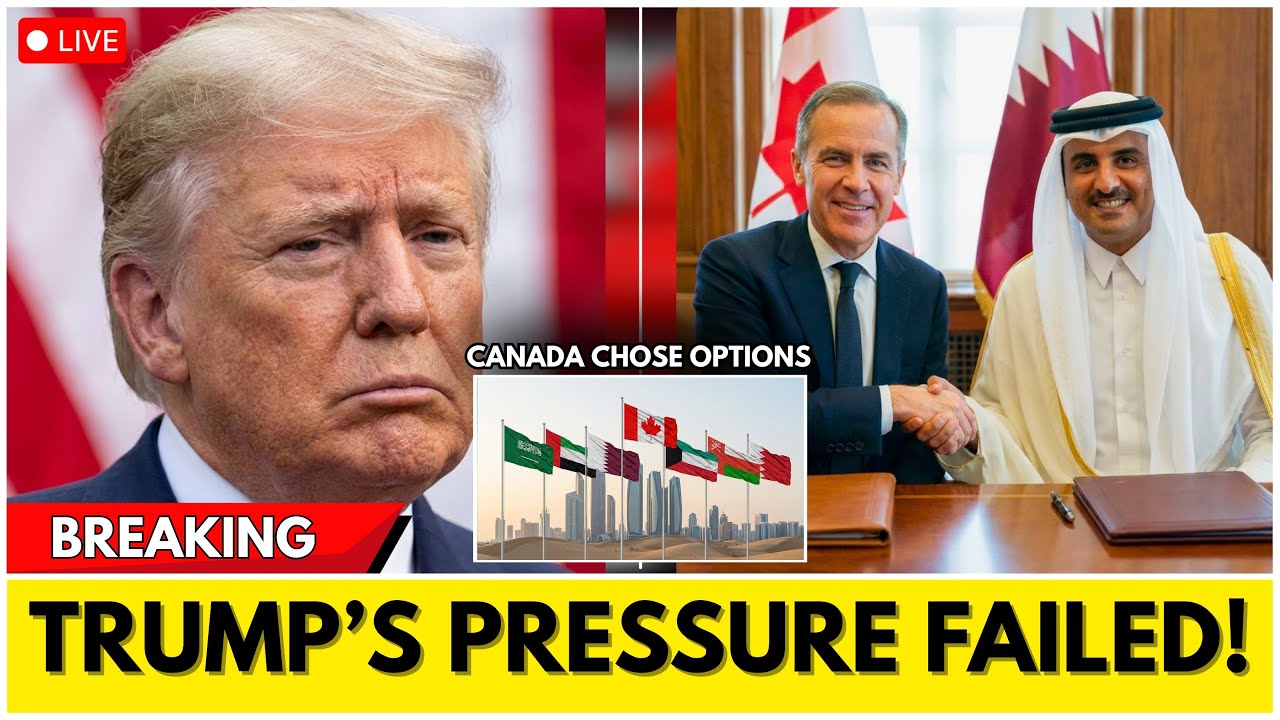
In the escalating tensions between Washington and Ottawa, Prime Minister Mark Carney has orchestrated what many are calling a masterstroke of economic defiance. Just days into his historic diplomatic tour—following high-stakes talks in Beijing and ahead of the World Economic Forum in Davos—Carney arrived in Doha on January 18, 2026, marking the first official visit by a sitting Canadian prime minister to Qatar. There, he met with Emir Sheikh Tamim bin Hamad Al Thani and senior officials from the Qatar Investment Authority, sealing pathways for massive inflows of sovereign wealth capital into Canadian projects. The move, insiders say, could unlock up to $100 billion in direct investments from Gulf states including Qatar, Saudi Arabia, and the United Arab Emirates over the coming years, with projections hinting at trillions in long-term redirected flows away from traditional American-dominated channels.
This pivot comes against the backdrop of President Donald Trump’s aggressive posture toward Canada. Since early 2025, Trump has imposed sweeping tariffs on Canadian steel, aluminum, and other goods, while repeatedly floating the provocative idea of annexing Canada as the 51st U.S. state through “economic force.” These threats, dismissed by some as negotiating bluster, have instead accelerated Canada’s urgent search for alternatives. Carney, leveraging his background as a former central banker with deep global financial ties, has quietly cultivated relationships with the world’s most powerful sovereign wealth funds. Gulf entities—managing assets exceeding $5 trillion collectively—have emerged as ideal partners: patient, strategic investors uninterested in Washington’s political volatility.
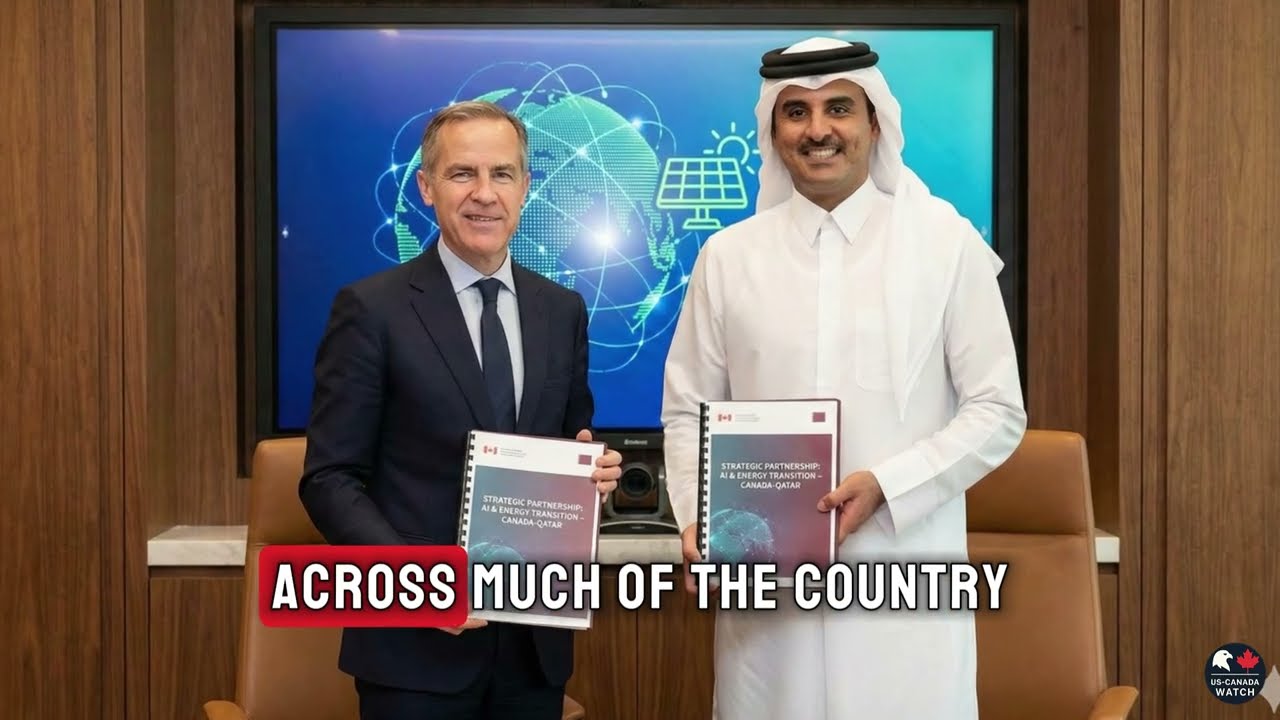
The numbers are staggering. Qatar’s Investment Authority, with over $500 billion under management, has already deepened longstanding energy ties with Canada, including stakes in offshore resources near Newfoundland and Labrador. A flagship $20 billion joint venture with Toronto-based Brookfield Asset Management targets AI infrastructure, capitalizing on Canada’s abundant hydroelectric power, natural cooling advantages, and political stability—qualities increasingly scarce south of the border. Saudi Arabia’s Public Investment Fund, now surpassing $1 trillion, eyes Canadian mining for critical minerals essential to energy transitions, while Emirati funds like Abu Dhabi Investment Authority pursue infrastructure upgrades in ports, grids, and data centers. Analysts estimate these commitments could total $95–110 billion across AI, energy, mining, and technology in the next five to seven years, fundamentally reshaping investment patterns.
For Canada, the benefits are immediate and profound. Industries long reliant on U.S. markets now glimpse diversification that reduces vulnerability to tariffs or sudden policy shifts. Gulf capital arrives without the strings of American intermediaries, funding decades-long projects in renewables, hydrogen, carbon capture, and quantum computing. Canadian firms gain patient funding horizons unmatched by commercial banks, while Gulf states secure diversified, stable returns far from Middle Eastern geopolitics.
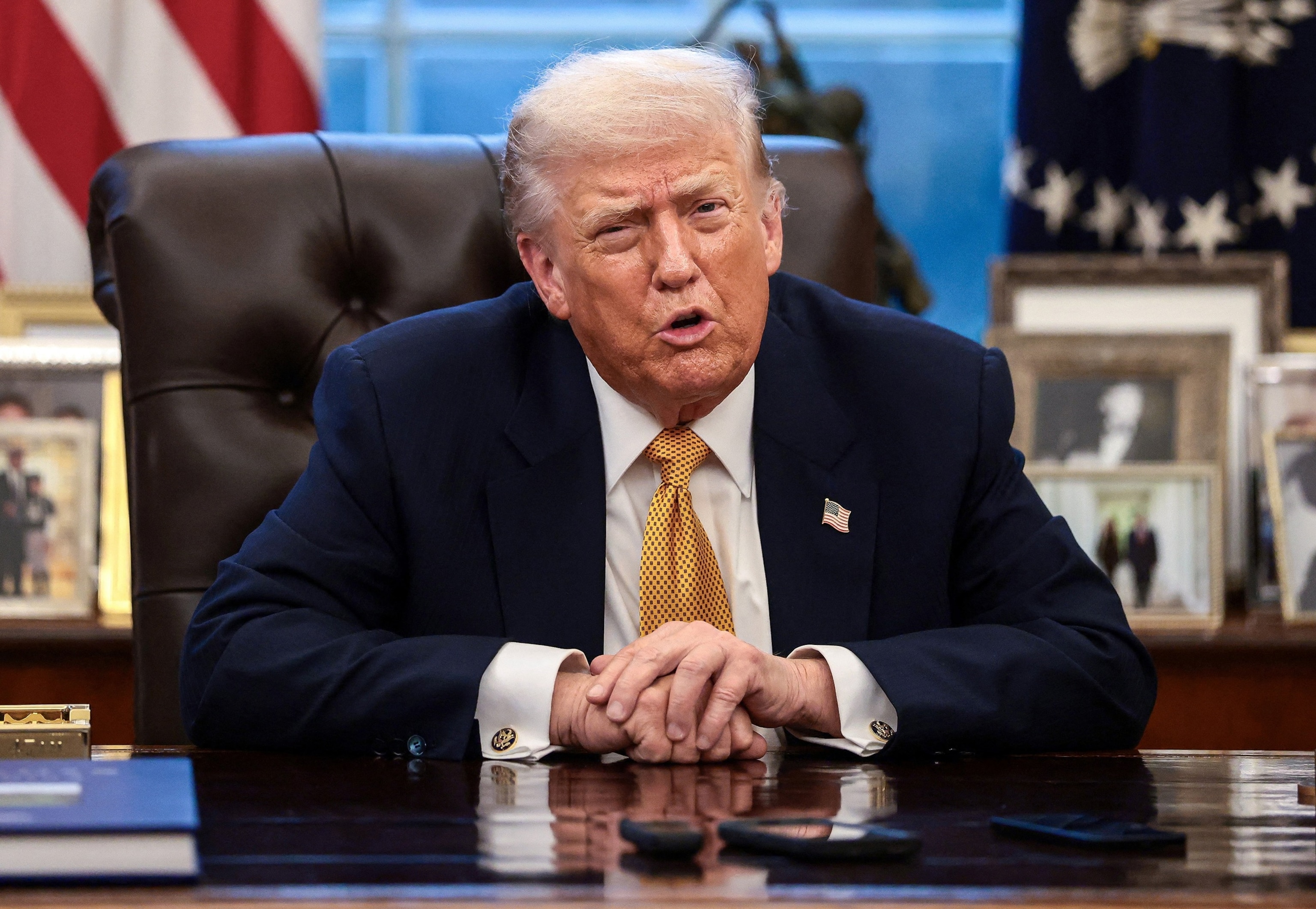
Yet the implications ripple far beyond bilateral deals. Trump’s threats appear to have backfired spectacularly, pushing a key ally toward new alliances that erode U.S. leverage. As Gulf money flows directly into Toronto, Calgary, Montreal, and Vancouver, American financial centers risk being sidelined in a reconfigured global order. Carney’s Gulf outreach—part of a broader strategy to double non-U.S. exports—signals that middle powers can forge independence when superpowers overreach.
Critics in Ottawa question the optics of deepening ties with Gulf regimes amid human rights concerns, but supporters argue economic pragmatism demands it in an era of Trump-driven uncertainty. As Carney wraps his Gulf leg and heads to Davos, the message is clear: Canada is no longer waiting for approval from Washington. The cash flood from the Gulf is just beginning, and its long-term consequences could redefine North American economic power for generations.