WASHINGTON, February 27, 2026 — By Cubui
President Donald Trump sparked controversy this week after posting a message on social media suggesting that U.S. military operations involving Iran could last “weeks, not days.”
Rather than delivering a formal Oval Office address, the president outlined his position online, describing continued military action as necessary to achieve long-term regional stability. The remarks immediately drew bipartisan reaction in Washington, with lawmakers debating both the duration of the operation and whether Congress should formally authorize expanded military engagement.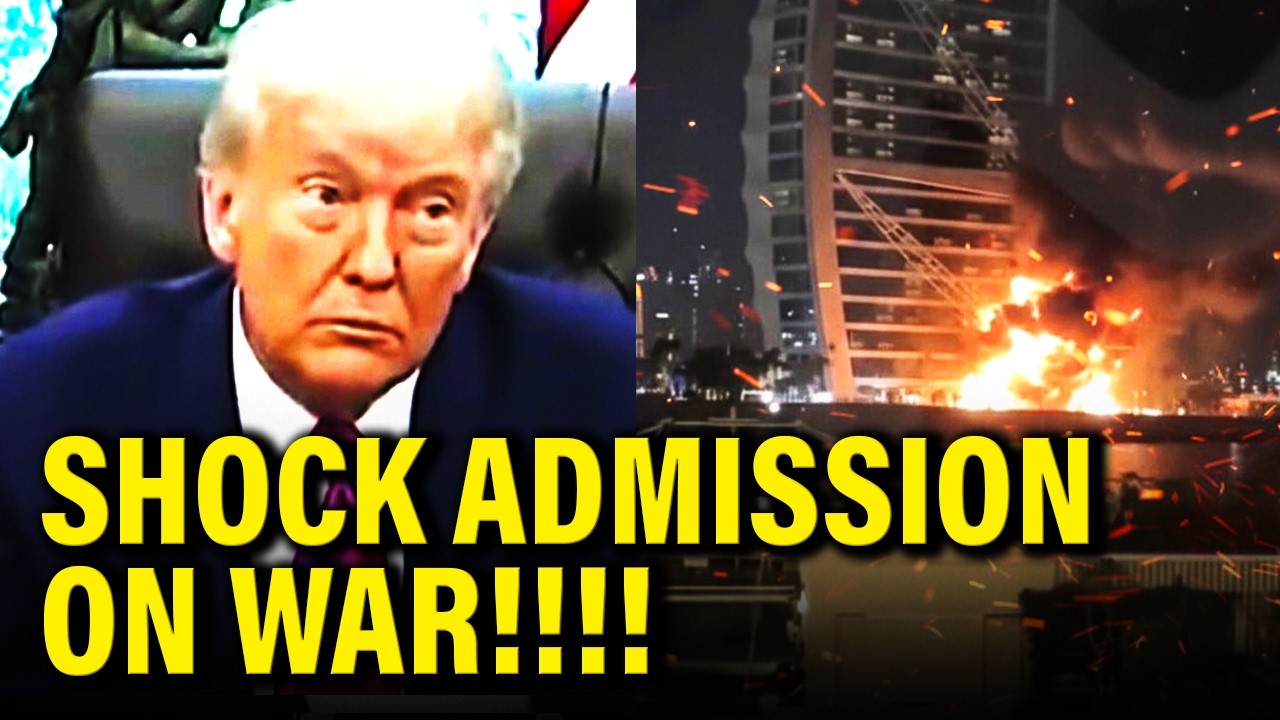
Congressional Debate Intensifies
Senator Tom Cotton, chair of the Senate Intelligence Committee, told reporters Americans should prepare for a campaign that “at a minimum will last for weeks.” Other lawmakers expressed concern about the lack of a detailed public strategy.
Senator John Ossoff called for Congress to assert its constitutional authority under the War Powers Resolution, arguing that any prolonged conflict requires legislative oversight and clearly defined objectives.
Supporters of the administration, including Senator Tim Scott, defended the president’s authority to act under existing executive powers, noting that past presidents have initiated limited military operations without formal declarations of war.
Regime Change vs. Nuclear Containment
A key question emerging from the debate is whether U.S. objectives have shifted from nuclear containment to broader regime-change goals.
Some analysts note that rhetoric suggesting political transformation inside Iran marks a significant escalation beyond deterrence policy. Historically, U.S. administrations have publicly framed actions involving Iran around nuclear compliance and regional security, not leadership removal.
Foreign policy experts warn that leadership targeting — even if confirmed — does not necessarily dismantle governing institutions, particularly in systems with formal succession mechanisms.
Economic Ripple Effects
Market analysts are closely watching the Strait of Hormuz, a vital maritime corridor handling a significant portion of global oil exports.
Insurance brokers told the Financial Times that risk premiums for ships transiting the Gulf could rise sharply amid heightened tensions. Several energy companies have reportedly paused or rerouted shipments as a precaution, though no official closure of the strait has been confirmed.
Any sustained disruption could affect global fuel prices and supply chains.
White House Communication Strategy
The administration has not yet announced a prime-time address outlining a comprehensive strategy. Instead, updates have largely come through social media posts and brief press interactions.
Critics argue that a formal address explaining objectives, timelines, and risks would provide clarity for the American public. Supporters counter that operational security and fast-moving events limit what can be disclosed in real time.
The Broader Strategic Question
Foreign policy scholars emphasize that military campaigns require:
-
Clear objectives
-
Defined exit strategies
-
Congressional consultation
-
Public communication
Without those elements, even short-term operations risk becoming prolonged engagements.
As developments continue, the central issue remains whether the United States is entering a limited tactical operation or a broader, sustained regional confrontation.