A Diplomatic Earthquake in Beijing: Carney’s Historic Visit Shakes Washington
In the shadow of escalating global tensions, Canadian Prime Minister Mark Carney stepped onto Chinese soil in January 2026, marking the first visit by a Canadian leader to Beijing in nearly a decade. What unfolded was no ordinary diplomatic exchange. From the moment Carney’s plane touched down at Beijing Capital International Airport, Chinese authorities orchestrated a meticulously choreographed welcome: honor guards stood at rigid attention, red carpets unfurled underfoot, and high-level meetings with President Xi Jinping and Premier Li Qiang followed in rapid succession. The optics were unmistakable—a deliberate elevation of Canada on the world stage at a moment when traditional alliances appear fraying.
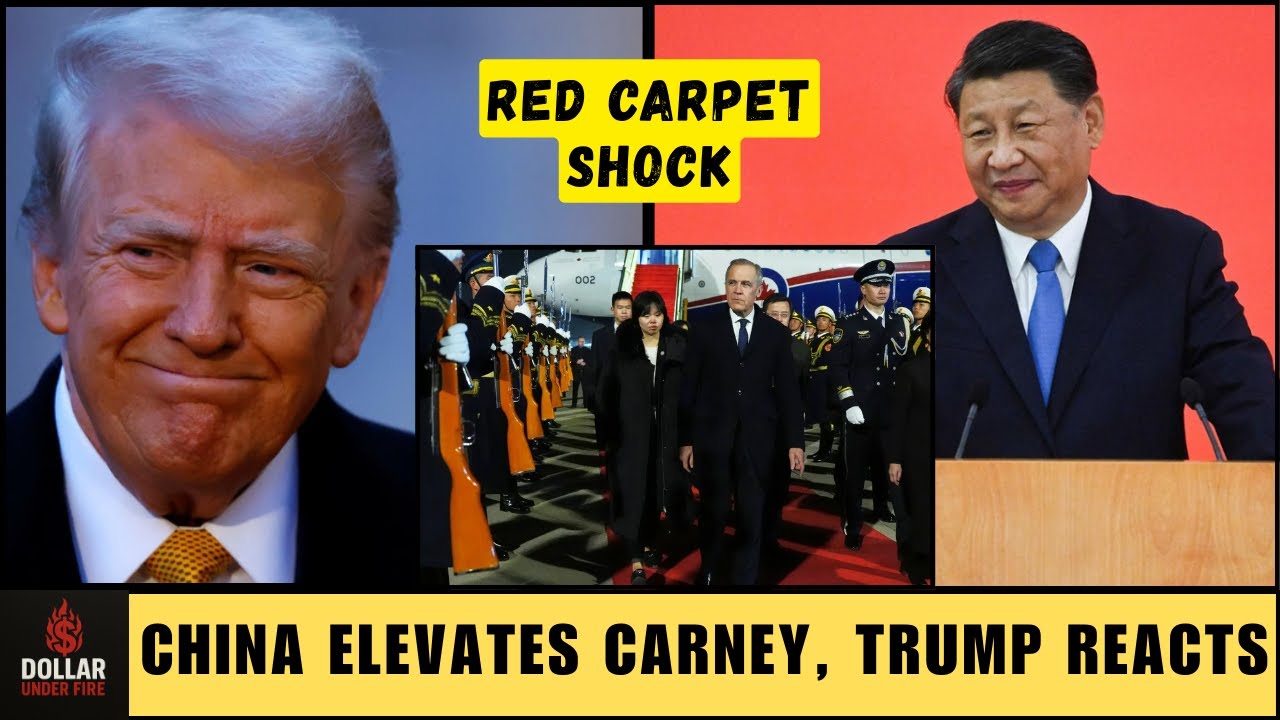
The centerpiece of the visit came swiftly: the signing of a comprehensive trade and economic roadmap, coupled with a renewed energy cooperation pact. Officials from both nations committed to exploring expanded ties in oil and gas development, natural uranium trade, agriculture, and clean energy initiatives. While no immediate resolution emerged on lingering tariffs—China’s retaliatory duties on over $2.6 billion worth of Canadian agricultural products like canola remained a sore point—the agreements signaled a pragmatic thaw. Carney described the progress as heartening, praising Xi’s leadership and framing the relationship as a “new strategic partnership” adapted to shifting global realities. For Beijing, the visit offered a narrative win: proof that even America’s closest neighbors could pursue independent paths amid Washington’s unpredictable policies.
Trump’s America First Agenda Pushes Canada Toward Diversification
The backdrop to this pivot is stark. Since Donald Trump’s return to the White House, the United States has imposed sweeping tariffs on Canadian goods—35 percent across the board, plus targeted levies on steel, aluminum, and lumber—while floating provocative ideas about Canada’s sovereignty. Trump’s repeated suggestion that Canada could become the 51st state has only deepened the chill. Trade talks have stalled, and the long-standing U.S.-Mexico-Canada Agreement faces uncertain review. For Canada, where roughly three-quarters of exports flow southward, the economic pressure is acute: industries from automotive to agriculture face mounting uncertainty, supply chains strain, and exporters grapple with lost markets.
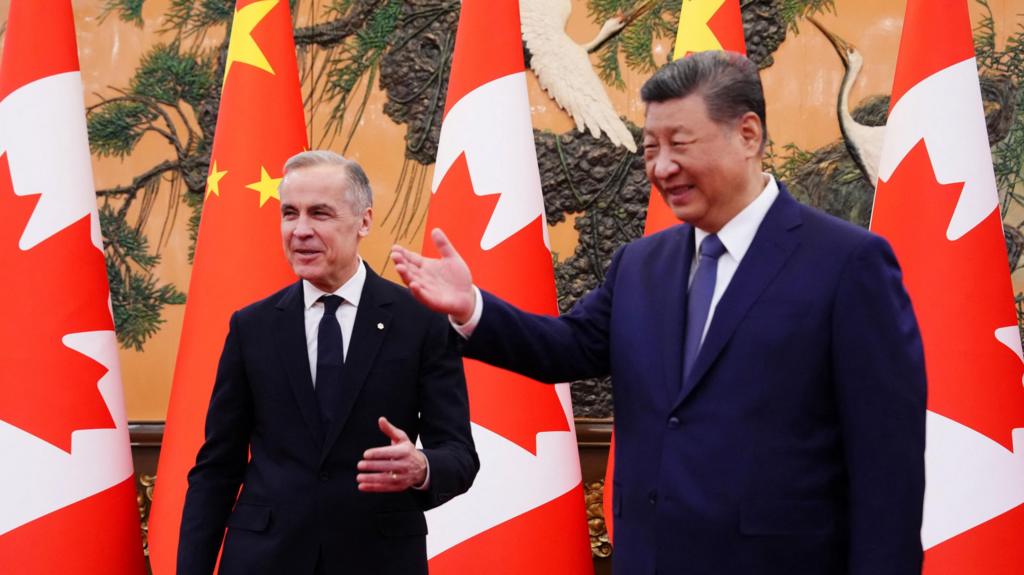
Carney’s government has responded with urgency. Foreign Minister Anita Anand articulated the goal plainly upon arrival in Beijing: grow non-U.S. trade by at least 50 percent over the next decade. The Beijing visit forms part of a broader strategy—trips to Europe, the Gulf, and beyond—to build resilience against overreliance on a single partner. China, despite past frictions over election interference allegations and human rights concerns, presents a vast market for Canadian resources: heavy oil, metallurgical coal, timber, and agri-food products. The energy pact, in particular, opens doors for collaboration in both conventional and renewable sectors, potentially stabilizing supply chains disrupted by geopolitical volatility.
Visible Frustration in Washington as Leverage Slips
In Washington, the images from Beijing landed like a thunderclap. Trump, who had publicly dismissed Canada as secondary in global affairs, now faces a stark reality: his aggressive tactics appear to be accelerating the very diversification they sought to prevent. Reports from the White House suggest visible irritation—briefings describe Trump as caught off guard by the speed and warmth of Carney’s reception. American industries, already reeling from retaliatory measures elsewhere, watch nervously as Canadian exporters explore alternatives that could erode U.S. leverage in critical sectors like energy and minerals.

The shift carries risks. Critics warn that closer ties with China could expose Canada to economic coercion down the line, repeating cycles of thaw and freeze seen in prior years. Yet for Carney, the calculus is clear: in an era of division and disorder, pragmatic engagement offers a buffer. The Beijing agreements, while not erasing all irritants, lay groundwork for sustained dialogue—on trade irritants, multilateral coordination, and even people-to-people ties.
As the dust settles from Carney’s four-day trip, the geopolitical map redraws itself. Canada’s bold move toward Beijing underscores a broader truth: when pressure from allies turns punitive, nations seek new horizons. The $2.6 billion shadow of past retaliatory tariffs lingers, but the energy pact and roadmap point toward a future where Canada’s economic destiny rests less on southern goodwill and more on global diversification. Whether this recalibration strengthens Ottawa or invites fresh vulnerabilities remains an open question in a world where old certainties no longer hold.