Jack Smith Rebuffs Claims of Political Motive as House Releases Deposition Video
WASHINGTON — A closed-door deposition by Jack Smith, the former special counsel who pursued federal cases against Donald J. Trump, is back in public view after the Republican-led House Judiciary Committee released video and a transcript of the session. In the testimony, Smith defended the charging decisions in his investigations and argued that the attack on the U.S. Capitol on Jan. 6, 2021, “does not happen” without Trump.
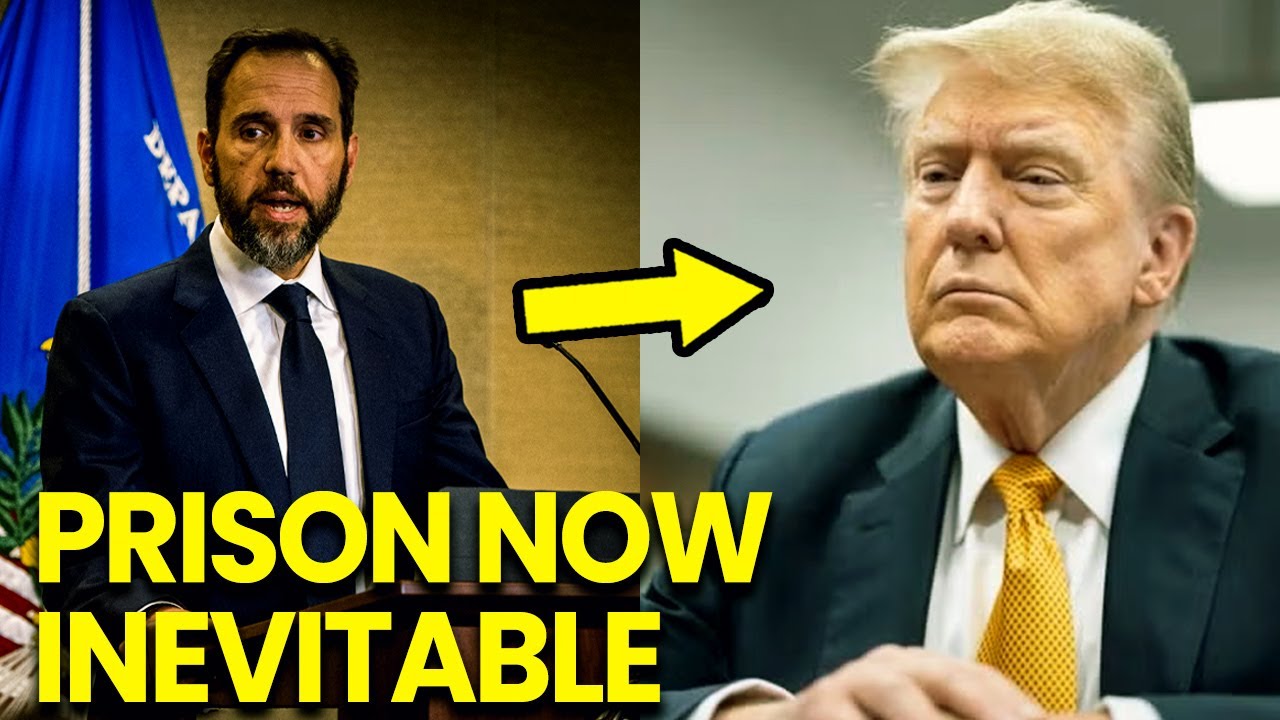
Smith told lawmakers that the decision to bring charges was his, while maintaining that the factual basis rested on Trump’s conduct. The deposition also included Smith’s view that Trump “caused” and “exploited” the violence at the Capitol, language that Republicans on the committee have seized on as they continue to frame the investigations as a test of whether federal prosecutors were “weaponized” against a political opponent.
The renewed attention arrives amid a familiar cycle: clips and headlines ricochet across social media, often packaged with sweeping claims about what the testimony “proves” — and what it means for Trump’s legal fate. Some creators have portrayed the deposition as a final step toward inevitable imprisonment. But the legal and political reality is more complicated, even for a former president facing extraordinary allegations.

Smith previously brought two major federal prosecutions: one tied to efforts to overturn the 2020 election results and another involving classified documents. Both matters were ultimately halted after Trump returned to office following the 2024 election, reflecting the Justice Department’s long-standing position that a sitting president should not be indicted because doing so would impair the executive branch’s constitutional functioning.
That policy — outlined in Office of Legal Counsel guidance — does not resolve questions about what can happen after a president leaves office, but it does shape what can happen now. It also helps explain why the most forceful online predictions often skip critical steps: whether prosecutors in a future administration would seek to revive charges, how courts would handle immunity arguments, and how long appeals could delay any trial.
Those immunity questions have grown only more consequential since the Supreme Court’s 2024 ruling in Trump v. United States, which established a tiered framework for presidential immunity depending on whether conduct is considered core constitutional authority, other official acts, or private acts. Legal experts say disputes over categorizing conduct could become central to any future prosecution involving presidential decision-making.
In the deposition, Smith also addressed accusations that his team pursued Trump for political reasons, insisting the work was evidence-driven. According to Reuters, Smith said Trump privately acknowledged to others that he lost the 2020 election, a point prosecutors viewed as relevant to intent.
For now, the released testimony offers a rare window into how the special counsel understood the evidence — and how sharply the stakes of accountability shift when criminal allegations collide with presidential power.