TRUMP NEEDS TO RESIGN—AND IF HE WON’T, CONGRESS HAS A DUTY TO HOLD HIM ACCOUNTABLE THROUGH IMPEACHMENT

Calls for Donald Trump to resign have grown steadily louder as legal pressure, political fallout, and public concern continue to intensify. Representative Alexandria Ocasio-Cortez has been among the most vocal figures arguing that resignation is the most responsible path forward. If Trump refuses to step down, she maintains, Congress is not only empowered—but obligated—to act through impeachment.
At the heart of this debate lies a fundamental question: is any president above the law? The U.S. Constitution was designed with safeguards precisely for moments of crisis, when executive power appears to exceed its legal or moral limits. Impeachment is one of those safeguards, intended not as a partisan weapon, but as a last resort to protect democratic institutions and public trust.
Trump’s political and legal history has fueled these renewed calls for accountability. Over the past several years, he has faced multiple investigations and legal proceedings, including scrutiny over efforts to overturn the results of the 2020 presidential election, allegations surrounding the mishandling of classified documents after leaving office, and criminal convictions related to falsified business records. These matters have not remained confined to political debate; they have entered courtrooms, sworn testimony, and official findings.
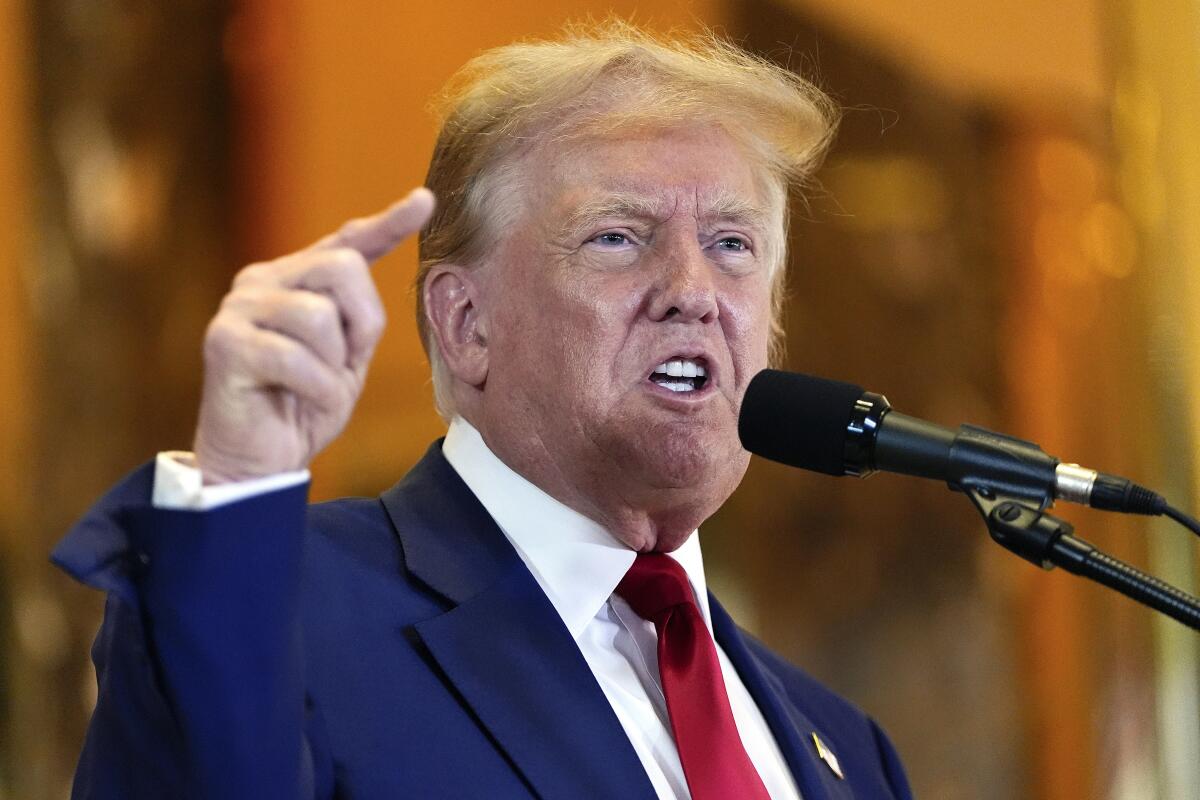
Special Counsel Jack Smith’s investigations, in particular, have intensified concerns in Washington. Prosecutors have stated that evidence points to violations of federal law, reinforcing arguments from lawmakers like AOC that accountability cannot be optional simply because the individual involved is a former—or current—president. When credible allegations reach this level, silence or inaction by Congress risks undermining the rule of law itself.
Supporters of impeachment argue that allowing such conduct to go unanswered sets a dangerous precedent. If a president can evade consequences, future leaders may feel emboldened to test or ignore constitutional boundaries. This erosion of norms does not occur overnight; it happens gradually, when institutions fail to act at critical moments.
Opponents, meanwhile, warn that impeachment can deepen political divisions. Yet proponents counter that the greater danger lies in normalizing misconduct. Accountability, they argue, is not about vengeance or political gain—it is about reaffirming that the Constitution applies equally to all, regardless of status or power.

Public confidence in democratic governance depends on consistent enforcement of the law. When citizens believe that leaders are immune from consequences, trust collapses. This is why AOC and others insist that Congress must be prepared to fulfill its constitutional role if resignation does not occur.
Ultimately, the question before Congress is not whether impeachment is politically comfortable, but whether it is necessary to uphold democratic principles. If Donald Trump refuses to resign in the face of mounting legal and ethical concerns, lawmakers must decide whether they are willing to use the tools the Constitution provides. History will judge not only the actions of the president, but the willingness of Congress to act when accountability was demanded.