NEW YORK — Former President Donald Trump is facing one of the most consequential legal moments of his post-presidency, as a New York judge issued an unusually direct warning that continued defiance of a court order could result in sworn testimony—or incarceration.
The development follows repeated findings that Trump violated a court-imposed gag order in a criminal case that has already pushed the boundaries of the American legal and political system. According to court records and legal observers, the judge determined that prior financial penalties failed to deter further violations, prompting the court to escalate its response.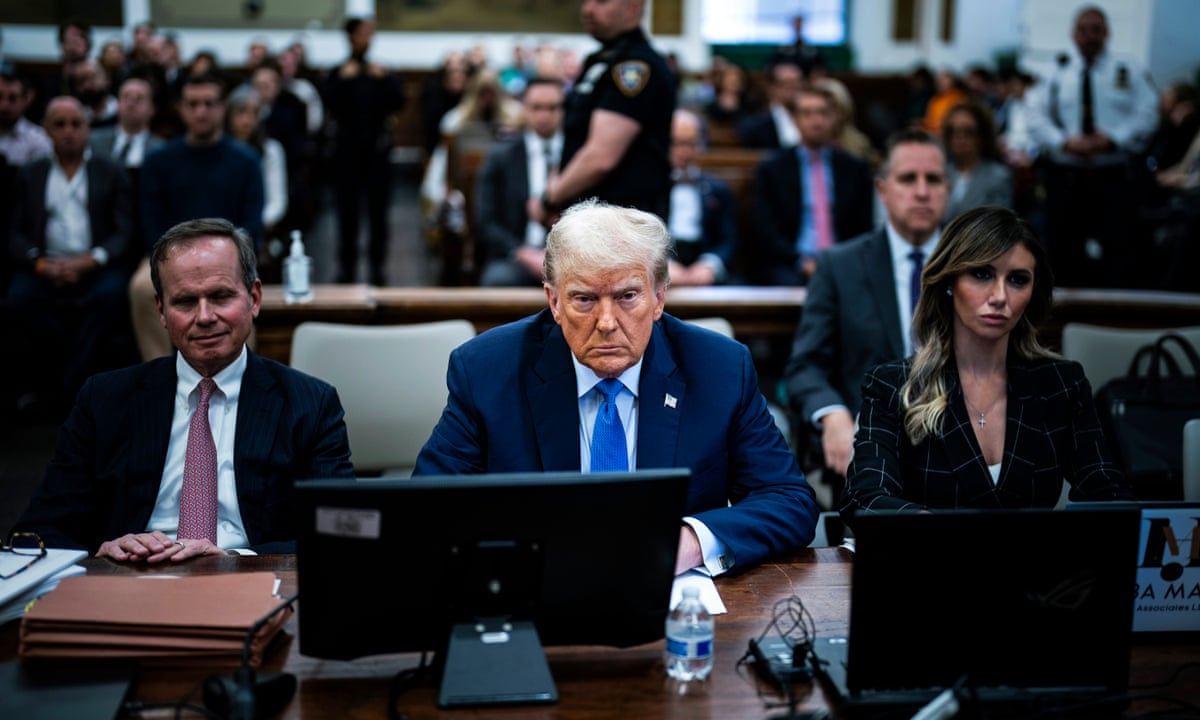
Inside the Manhattan courtroom, the tone was markedly sharper than in previous hearings. The judge emphasized that Trump’s former status as president does not place him beyond the reach of judicial authority, and that the court retains the power to impose criminal contempt sanctions, including jail time, if compliance is not achieved.
“This is no longer about symbolic enforcement,” said one legal analyst following the proceedings. “The court is making clear that it has exhausted lesser remedies.”
The gag order at the center of the dispute was designed to prevent public statements that could intimidate witnesses, court staff, or jurors. Prosecutors argued that Trump repeatedly violated those restrictions through social media posts and public remarks, despite multiple warnings and fines.
Until now, the court had relied primarily on monetary penalties—an approach critics said was ineffective against a defendant with significant financial resources and a political incentive to challenge institutional authority. The judge appeared to agree, noting that escalating consequences are a standard part of contempt enforcement when prior sanctions fail.
Legal experts describe the moment as rare but not unprecedented. While courts are generally reluctant to jail defendants for contempt—particularly high-profile figures—the authority to do so is firmly grounded in law.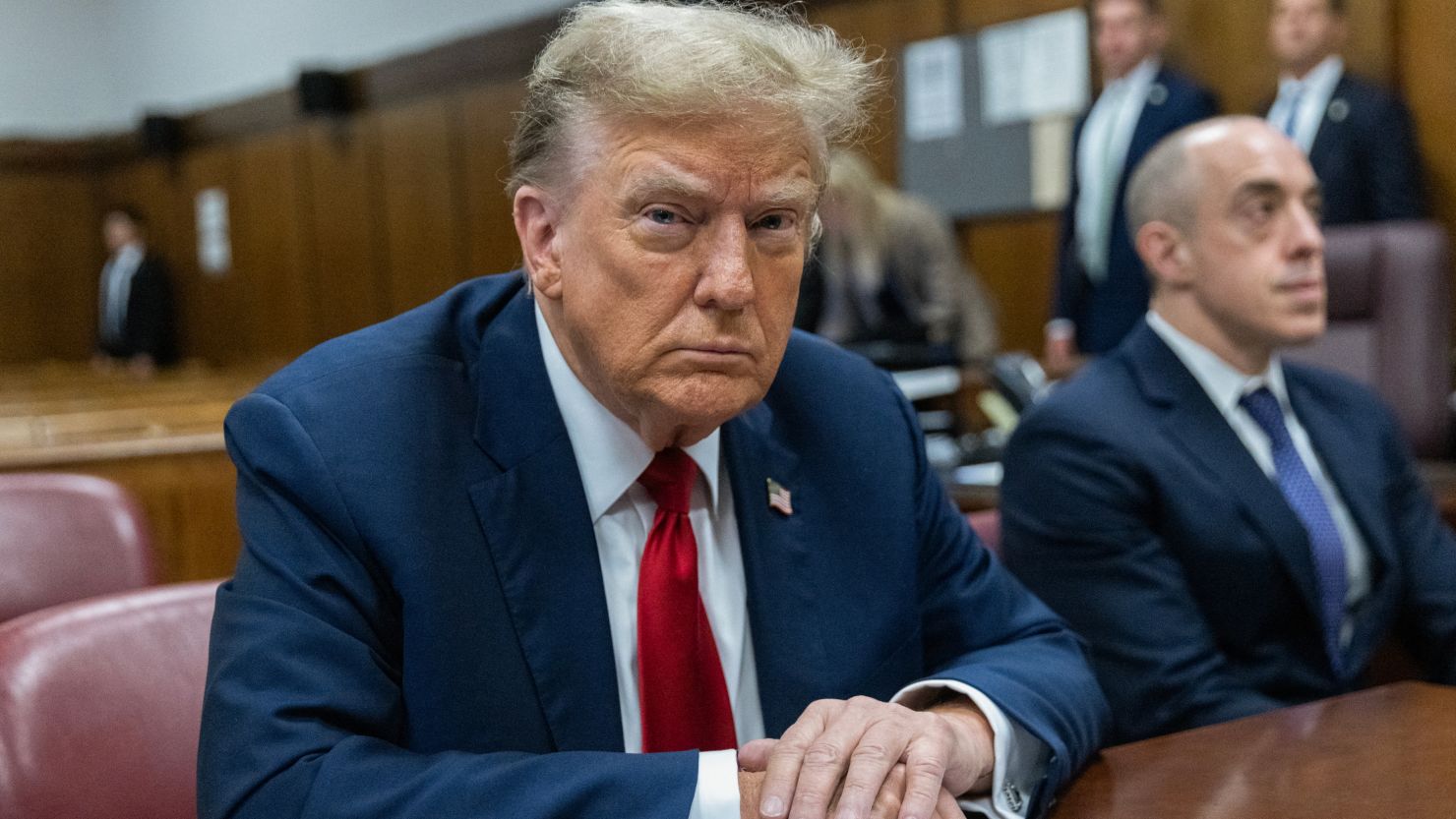
“The judiciary cannot function if its orders are optional,” said a former federal prosecutor. “Contempt powers exist precisely for situations where a defendant decides the rules don’t apply to them.”
Politically, the implications are profound. Trump remains a dominant figure in American politics, and any move toward compelled testimony or incarceration would mark a historic first for a former U.S. president. Allies quickly denounced the court’s actions as excessive, while critics argued the judge showed restraint by acting only after repeated violations.
Trump himself has publicly framed the case as politically motivated, a characterization prosecutors reject. In court filings, they stressed that the issue is not speech in general, but speech that undermines the integrity of the judicial process.
What makes the moment especially striking is the narrowing of Trump’s legal options. The judge’s warning leaves little ambiguity: continued defiance could lead to consequences far more severe than fines. That reality, legal analysts say, places Trump at a crossroads—comply fully with the court’s order or risk a sanction that would reverberate across the legal and political landscape.
For the justice system, the case represents a stress test of principle versus power. Courts are built on the assumption that no individual, regardless of wealth or status, can unilaterally ignore lawful orders. Whether that principle can be enforced against a former president is a question now moving from theory to practice.
As proceedings continue, the courtroom has become the focal point of a national reckoning—one that could redefine the limits of accountability in modern American history. The judge’s message was unmistakable: the era of warnings has ended, and the next step will be determined not by politics, but by compliance.