Trump’s Iran Conflict Gamble: Military Escalation, Oil Shock, and the Risk of Global Instability
The conflict involving the United States, Israel, and Iran is rapidly escalating into a broader regional crisis, raising fears of a prolonged confrontation that could reshape the Middle East and send shockwaves through global energy markets.
Recent reports indicate that a U.S. F-15E Strike Eagle fighter jet was brought down over Iranian airspace while conducting aerial operations targeting military facilities in Tehran. Although the two pilots managed to eject safely, the incident highlights the growing tension and danger surrounding the conflict.
In recent days, U.S. and Israeli forces have intensified attacks on targets linked to Iran’s Islamic Revolutionary Guard Corps (IRGC). In response, Iran has launched retaliatory strikes against American interests and allied nations across the Middle East.
According to military sources, the U.S. Central Command (CENTCOM) has requested that the Pentagon deploy additional intelligence officers to its headquarters in Tampa, Florida, to support operations for at least 100 days. The move suggests Washington may be preparing for a conflict that could extend into the fall, or even longer.
Disagreements Within the Trump Administration
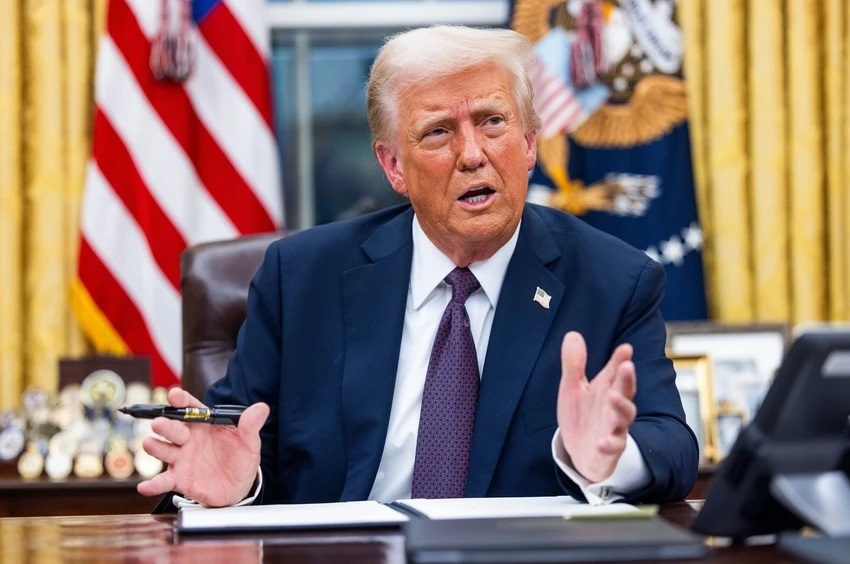
Back in Washington, the conflict is also triggering serious divisions within the administration of President Donald Trump.
Multiple sources say Secretary of State Marco Rubio and Defense Secretary Pete Hegseth are deeply divided over how to approach Iran.
Rubio is reportedly opposed to deploying American ground troops inside Iran, warning that such a move could ignite a much larger regional war. Hegseth, on the other hand, is said to favor deploying special operations forces or even conventional troops to increase military pressure on Tehran.
The disagreement underscores a broader concern among analysts: many believe Washington may have entered the conflict without a clearly defined long-term strategy.
Controversy Surrounding Kurdish Forces
Tensions intensified further after reports surfaced claiming Kurdish forces were preparing to attack Iran with U.S. backing. Kurdish leaders quickly denied the claims, insisting they had not deployed any fighters into Iranian territory.
Analysts say the situation reflects the complicated relationship between Washington and Kurdish groups—long-time partners in several Middle Eastern conflicts who have also repeatedly accused the United States of abandoning them during past crises.
If Kurdish forces were to enter the conflict, it could rapidly widen the war and draw in neighboring countries such as Turkey, Iraq, and Syria.
Global Energy Markets on Edge
Beyond the battlefield, the conflict is already shaking global energy markets.
Iranian attacks have significantly disrupted shipping through the Strait of Hormuz, one of the most critical maritime routes for global oil and natural gas supplies. Several oil tankers have reportedly been unable to pass through the area.
The situation worsened when Qatar temporarily halted part of its liquefied natural gas (LNG) production following attacks near its energy facilities. Qatar is the world’s second-largest LNG exporter, meaning any disruption could have major implications for global supply.
Markets reacted swiftly. Brent crude oil prices climbed above $82 per barrel, and analysts warn prices could approach $100 per barrel if tensions continue to escalate.
Rising oil prices are already pushing up fuel costs in several countries, including the United States. Some projections suggest gasoline prices in the U.S. could exceed $4 per gallon in the coming months.
Rising Nationalism in Iran
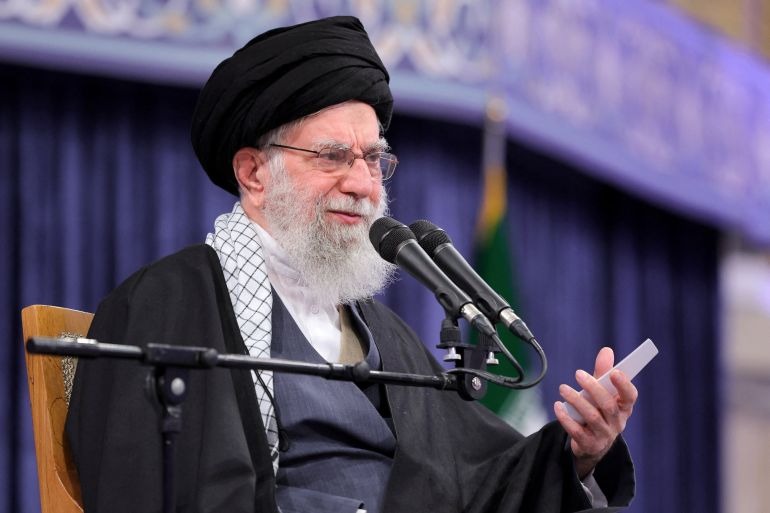
Ironically, the conflict may be strengthening the Iranian government rather than weakening it.
Before the escalation, Iran’s Supreme Leader Ali Khamenei had faced increasing domestic criticism due to economic difficulties and anti-government protests.
However, following recent aerial operations and reports surrounding his death after an attack, large demonstrations have erupted across several Iranian cities. Crowds have taken to the streets to mourn Khamenei and express support for the government.
Many political analysts believe the conflict has fueled nationalist sentiment and strengthened hardline factions within Iran’s political system.
Such developments could make diplomatic efforts in the future significantly more difficult.
Trump Declares Victory
Despite growing concerns, President Donald Trump has insisted that the military campaign is highly successful.
During a recent press conference, he stated:
“On a scale from one to ten, I would rate this operation about a 15.”
Trump argued that striking Iran first prevented a larger attack against Israel and potentially the United States.
However, critics warn that the strategy could draw Washington into another prolonged conflict in the Middle East.
A Conflict with Global Consequences
The impact of the war extends far beyond the Middle East.
Disruptions to oil shipments in the Persian Gulf could threaten global energy supplies, potentially driving inflation and economic instability across multiple countries.
Meanwhile, major powers such as Russia and China are closely monitoring the situation, raising concerns that broader geopolitical tensions could continue to escalate.
For now, aerial operations and retaliatory strikes are ongoing, and there is no clear sign that the conflict will end soon.
The key question facing the international community is whether the situation can still be contained—or whether it will spiral into a far more dangerous global crisis.