Trump Reacts as Obama Receives Standing Ovation at NBA All-Star Event
A viral political moment unfolded in Los Angeles when former President Barack Obama received a prolonged standing ovation during the NBA All-Star Game at Crypto.com Arena. The crowd’s enthusiastic reaction quickly spread across social media, prompting sharp comparisons with current political dynamics surrounding Donald Trump.
Within hours, video clips of the ovation were circulating widely across X, Instagram, TikTok, and YouTube. Supporters of Obama framed the applause as a reflection of his enduring popularity and cultural relevance. Trump allies dismissed the moment as partisan spectacle amplified by friendly audiences.
But in a heated political climate, even symbolic moments can shape perception — and perception often drives narrative.
The Moment That Sparked the Debate
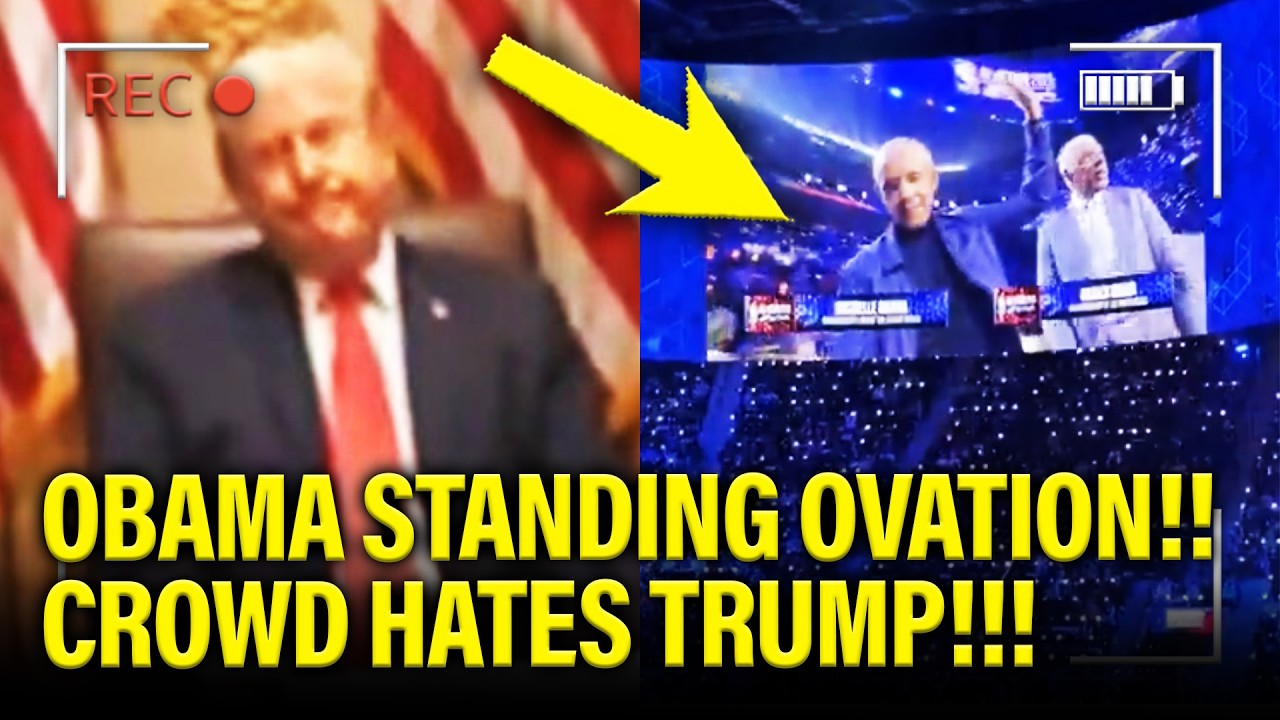
During a televised segment at the NBA All-Star Game, cameras captured Obama and former First Lady Michelle Obama on the jumbotron. As their image appeared, much of the stadium rose to its feet in applause.
The ovation lasted several seconds, with fans cheering and waving. Sports events rarely become flashpoints in national politics, but this moment quickly transcended the arena.
Clips shared online highlighted the crowd’s energy, with captions emphasizing the contrast between Obama’s reception and ongoing controversies dominating political headlines elsewhere.
The visual was simple but powerful: a former president greeted not with boos or silence, but with cheers in a packed arena.
Obama’s Message: Unity Through Sports and Culture
Shortly after the event, Obama posted reflections emphasizing unity and shared humanity. He highlighted the role sports play in bringing people together, regardless of political differences.
In a recent interview, Obama also addressed the tone of modern political discourse, describing social media culture as a “clown show” while expressing confidence that most Americans still value decency and respect for institutions.
Rather than directly engaging in personal attacks, Obama focused on broader themes: civility, democratic norms, and cultural connection. That contrast has become part of the broader narrative emerging from the moment.
Trump Allies Push Back
Supporters of Trump argued that a standing ovation at a sporting event does not reflect broader voter sentiment. They note that crowd composition, geographic location, and audience demographics matter.
Trump has long maintained a strong base of support, particularly among voters who see him as a disruptor of political norms. Allies argue that viral moments can create media narratives that do not always align with electoral outcomes.
Still, the contrast in tone between the two figures has become a central talking point online.
Optics Matter in an Election Cycle
Political analysts frequently emphasize that optics — the visual and emotional cues surrounding candidates — can be as influential as policy positions.
Standing ovations, viral moments, and social media amplification all feed into a broader ecosystem of perception. In a closely watched election cycle, such imagery can reinforce existing narratives:
-
Obama as steady, dignified, and culturally resonant
-
Trump as combative and polarizing
-
A divided electorate interpreting events through partisan lenses
Whether fair or not, these symbolic snapshots often linger longer than policy speeches.
The Role of Social Media Amplification
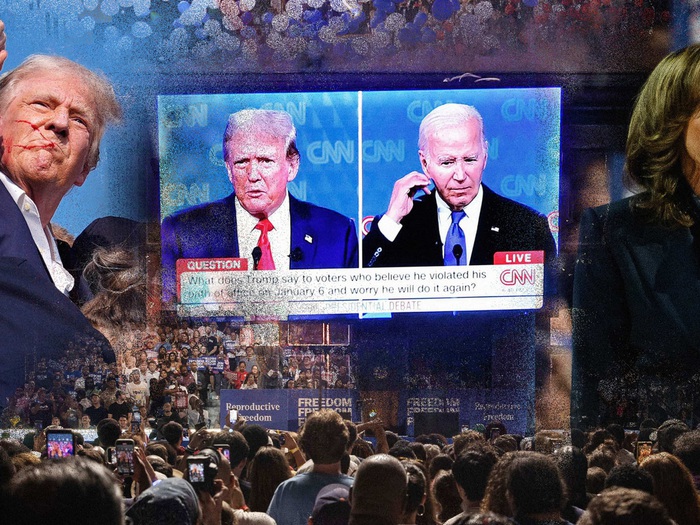
The speed at which the clip traveled underscores the power of digital platforms. Political content tied to celebrity events, sports, or entertainment frequently spreads faster than traditional policy coverage.
Within hours, commentary videos dissected the applause. Supporters celebrated what they described as a reminder of Obama’s legacy. Critics accused mainstream media of inflating a routine arena reaction into a political statement.
The incident also illustrates how modern political discourse merges with pop culture. Sporting events are no longer politically neutral spaces; they are stages where public figures’ popularity is measured in decibels and retweets.
A Broader Conversation About Political Energy
Some commentators view the moment as evidence of shifting cultural energy. Others argue it reflects long-standing divides rather than new momentum.
Polls continue to show a deeply polarized electorate. Approval ratings fluctuate depending on issue framing, economic conditions, and media coverage. A stadium ovation does not equal electoral victory — but it can influence enthusiasm and turnout narratives.
Enthusiasm often shapes fundraising, volunteer mobilization, and grassroots engagement. In that sense, viral moments carry weight beyond symbolism.
Trump’s Response Strategy
Trump has historically responded to viral moments involving rivals with direct social media engagement. Whether through counter-messaging, rally appearances, or reframing controversies, his communication style emphasizes confrontation.
Political observers will be watching whether this event becomes a talking point at future rallies or remains a brief media cycle moment.
The former president has frequently argued that mainstream coverage amplifies selective narratives while downplaying issues he views as central. His supporters often echo that critique.
Cultural Versus Electoral Influence
A key distinction in this debate is the difference between cultural approval and electoral math.
Obama maintains high favorability among Democrats and independents in many polls, even years after leaving office. Trump maintains intense loyalty among Republican voters.
The question is not who receives louder applause in a stadium. The question is which coalition turns out on Election Day.
Yet cultural influence shapes identity and enthusiasm. Moments like these can reinforce emotional connections — and emotional connections drive engagement.
What This Means Moving Forward
The standing ovation at the NBA All-Star Game may ultimately be remembered as a brief viral episode. Or it may serve as a symbol of broader cultural contrasts in American politics.
As the election cycle intensifies, expect more moments where politics intersects with sports, entertainment, and viral media.
In modern campaigns, narrative velocity matters. A 10-second clip can fuel days of commentary. Public reaction can become political capital.
For now, one thing is certain: a stadium rose to its feet, social media erupted, and the debate over leadership, tone, and public sentiment continues.
In an era where optics shape perception and perception shapes momentum, even applause can become a political headline.