A political firestorm erupted this week after former U.S. President Donald Trump reportedly floated the idea of using American military and economic pressure to gain control over Greenland and parts of the Canadian Arctic, reigniting fears of U.S. expansionism in the strategically vital polar region. The comments, made during a closed-door donor meeting and later echoed by political allies, immediately triggered backlash from European leaders and Canada, who warned that any such move would violate international law and destabilize the global order.

Greenland, an autonomous territory within the Kingdom of Denmark, has long been a focal point of geopolitical interest due to its vast mineral resources, Arctic shipping routes, and proximity to key U.S. military installations. Trump previously attempted to “buy” Greenland in 2019, a proposal that was swiftly rejected and widely mocked. This time, however, the rhetoric has taken a sharper turn, with references to military leverage and national security being used to justify a more aggressive U.S. stance in the Arctic.
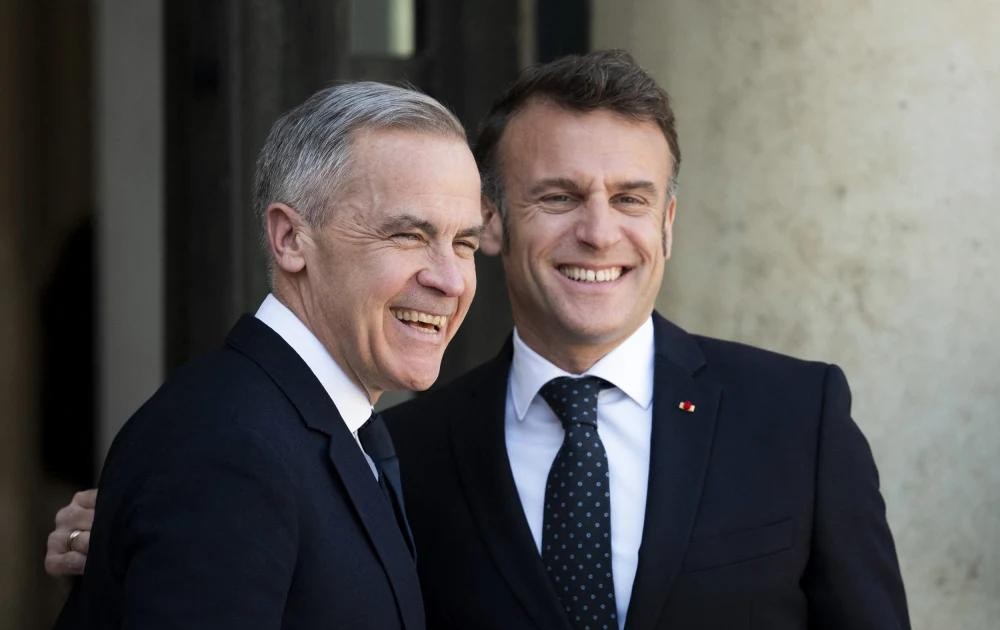
European leaders, led by France and Germany, moved quickly to counter what they described as “dangerous and irresponsible” language. French President Emmanuel Macron called for an emergency EU security consultation, emphasizing that Europe would stand firmly behind Denmark and Canada. NATO officials also expressed concern, noting that internal conflicts among allies would severely weaken Western influence at a time when Russia and China are already expanding their Arctic presence.
Canada, which controls vast portions of the Arctic and views the region as central to its sovereignty, responded with an unusually blunt statement. Ottawa warned that any attempt to challenge its territorial integrity would be met with “strong diplomatic and strategic resistance.” Analysts say the episode has exposed deep fractures in transatlantic relations and raised questions about how much leverage Washington still holds in a rapidly changing global power structure.
Experts in international relations argue that even the suggestion of military action against allied territories could have long-term consequences for U.S. credibility. “You cannot claim to defend democracy and international law while threatening to seize land from your own allies,” said one senior European diplomat. The controversy is also fueling debates inside the United States, where critics warn that such rhetoric could isolate the country and push Europe closer to alternative security partnerships.
As the Arctic becomes one of the world’s most contested regions due to climate change, shipping lanes, and untapped resources, the stakes could not be higher. Whether Trump’s remarks were political posturing or a preview of future policy, the reaction from France, the European Union, and Canada makes one thing clear: the era of unquestioned U.S. dominance in the Arctic is being challenged, and the geopolitical battle for the top of the world is only just beginning.