At the Kennedy Center, a Culture War Meets the Awards-Show Punch Line
WASHINGTON — The dispute over adding President Trump’s name to the John F. Kennedy Center for the Performing Arts has spilled far beyond the Potomac’s marble steps and into the messier arena where politics, celebrity and social media collide.
In recent days, Richard Grenell — the Trump-appointed leader of the institution — drew fresh attention after he criticized the comedian Nikki Glaser during and after the Golden Globes, framing her monologue as the kind of “lefty” humor he said he wanted to avoid. In a post on X, Grenell wrote that Glaser was “intimidated by Hollywood elites” and concluded, “Over to football.”
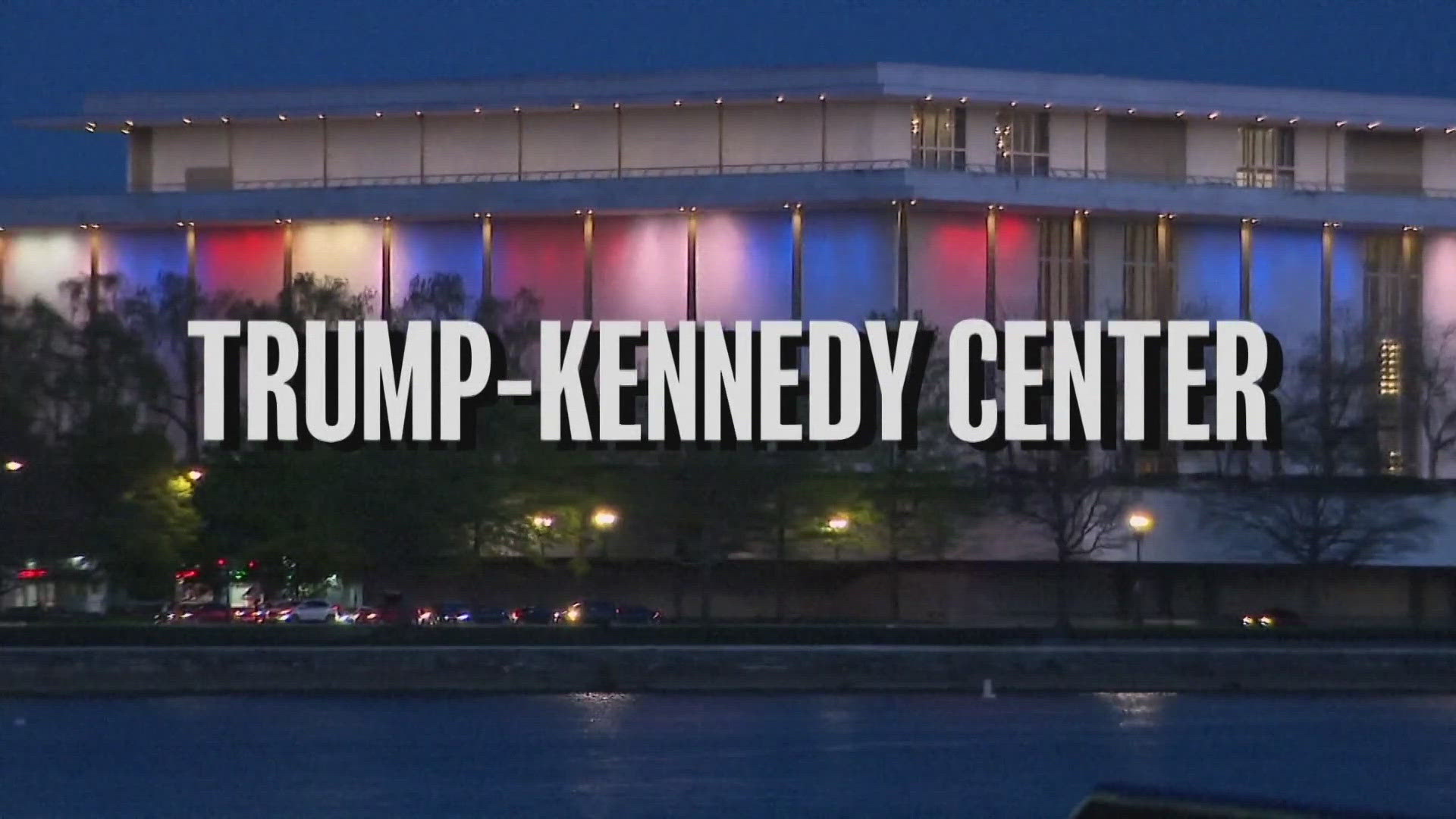
It was a small flare-up in a much larger fight: whether a national cultural monument, created by Congress as a living memorial to President John F. Kennedy, can be effectively rebranded through a Trump-led board takeover and a newly promoted name — commonly dubbed the “Trump Kennedy Center” — even as Democrats and outside groups argue the change lacks legal authority without congressional action.
A Renaming That Became a Referendum
The Kennedy Center has long occupied a carefully guarded place in Washington: part performance venue, part civic shrine, part fundraising machine. But since President Trump installed allies and promoted Grenell into the top leadership role, it has become a proxy battlefield for the broader struggle over how public institutions should reflect — or resist — partisan power.
The scale of the backlash is now visible not only in rhetoric but in real-world departures. In early January, the Washington National Opera announced it would end its affiliation with the Kennedy Center and reorganize as an independent nonprofit, citing financial strain and dwindling donor confidence amid the leadership changes.
Individual performers have also pulled out. The banjo virtuoso Béla Fleck withdrew from scheduled appearances with the National Symphony Orchestra, telling The Washington Post that performing there now felt “charged and political.” Grenell responded publicly by criticizing the decision.
Taken together, those moves have become the clearest rebuttal to Grenell’s central message: that the institution is thriving, and that outrage is mostly performative.
The Numbers Argument — and the Television Problem
Grenell has leaned heavily on a familiar defense: that ratings for legacy televised events are down everywhere, and that the Kennedy Center’s challenges are part of a broader media decline. In a PBS NewsHour interview, when pressed about viewership and the apparent public backlash, he argued that the Kennedy Center Honors “tied for number one” in its demographic and suggested critics were missing how much the overall television landscape has shifted.
Yet the same period has produced unflattering coverage of the institution’s metrics, including reporting that the Honors broadcast drew significantly fewer viewers than in prior years and that even the network airing it appeared to distance itself from the rebrand.
In Washington, the fight over ratings rarely stays about ratings. Viewership becomes a stand-in for legitimacy: a way to argue that the institution still belongs to “everyone,” or that it has become a partisan stage set.
Golden Globes, “A-List,” and the Politics of Restraint
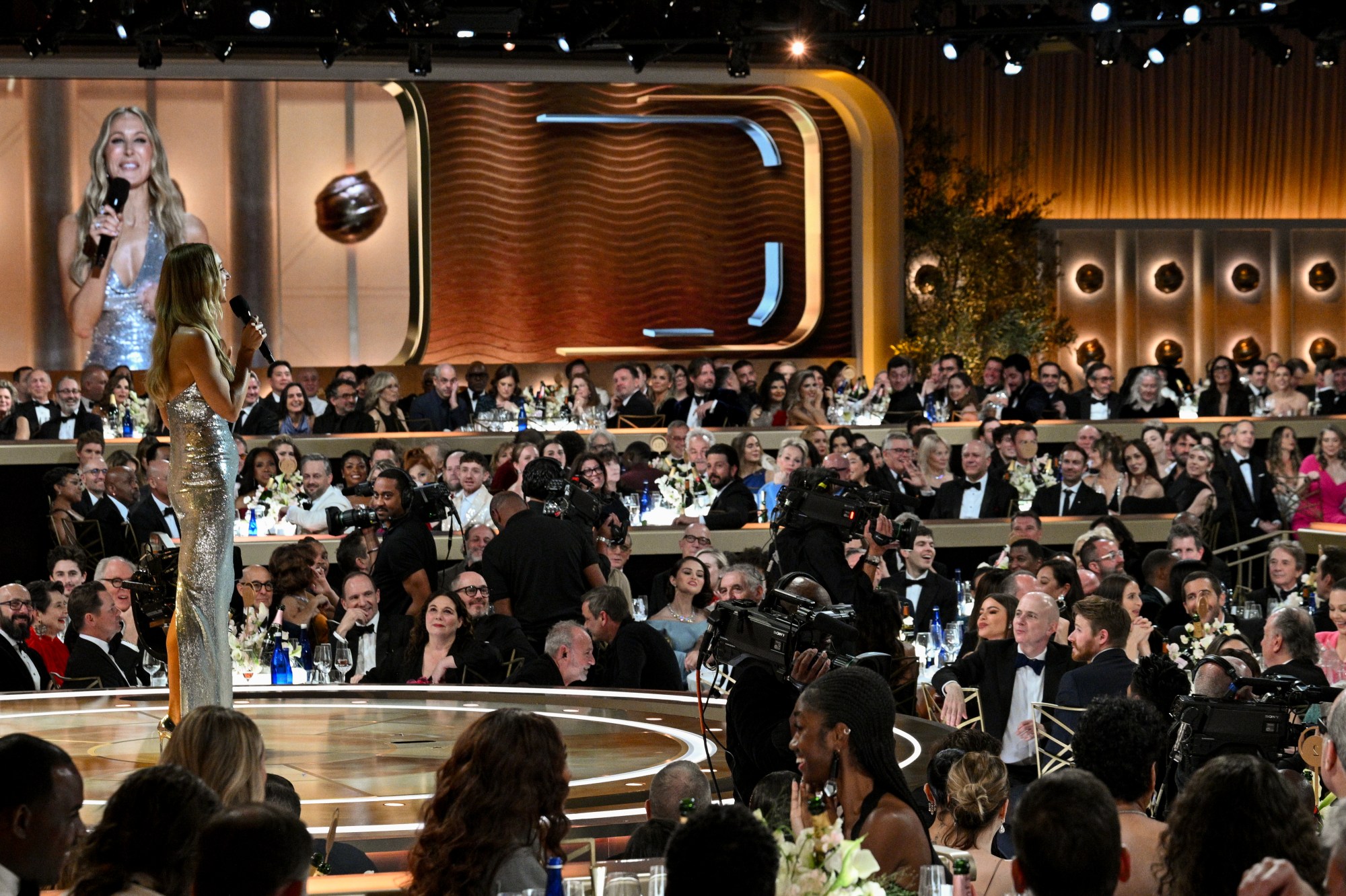
The Golden Globes, held on January 11, 2026, offered a different kind of measuring stick: whether political tension must dominate every cultural event, or whether comedy can acknowledge the moment without being consumed by it. Glaser, hosting for a second consecutive year, threaded that needle with a monologue that kept most jabs light — including a line about “A-listers,” defined as “a list that has been heavily redacted,” and a punch line awarding “best editing” to the Justice Department.
Entertainment coverage afterward emphasized how carefully Glaser balanced topicality with restraint, especially as award shows struggle to remain relevant to audiences who now watch highlights on phones rather than ceremonies on television.
Grenell’s response, by contrast, reflected a core political complaint on the right: that Hollywood treats conservative figures as default villains — even when the jokes are relatively mild.
The Institution as Symbol — and as Legal Question
The renaming dispute has also triggered a procedural argument with unusually high stakes for a cultural venue: who is legally empowered to change the name of a federal memorial institution created by Congress.
Democratic lawmakers have pointed to the center’s congressional origins and argued the rebranding is not valid without legislative approval. A lawsuit announced in late December seeks to block the change, describing it as unlawful and asserting that Congress alone holds that authority.
Meanwhile, reporting has suggested internal governance changes at the Kennedy Center may have narrowed decision-making power in ways that critics argue paved the way for the naming vote — part of what has turned a dispute about signage into a dispute about institutional capture.
In other words, the fight isn’t only about what the building is called. It’s about who gets to decide what a national arts institution represents — and whether political control can be exercised through boards, bylaws and branding rather than votes in Congress.

Social Media as the New Lobby
If the Kennedy Center used to be a place where influence traveled through gala tables and donor lists, the new battlefield is increasingly online.
The Glaser episode illustrates that shift. A single post can ignite a political feedback loop: supporters praise “calling out” Hollywood; critics frame it as evidence the institution is now run like a campaign account; journalists turn it into a headline; and the institution becomes more associated with the fight than with the art.
That dynamic has already become part of Grenell’s leadership brand — combative, rapid-response, and aimed at reframing the controversy as a fight against elite cultural gatekeepers rather than a dispute over governance and mission.
What Comes Next
For now, the Kennedy Center is confronting two crises at once: a political legitimacy crisis and an operational one. Artists and partner organizations are making decisions with budgets in mind, not just beliefs, and cancellations can become contagious as touring schedules get reshuffled.
The question is whether the institution can reverse the cycle — and whether the name change, intended by its proponents to project dominance and permanence, ultimately becomes shorthand for instability at one of America’s most visible stages.
And if the Golden Globes controversy revealed anything, it’s that the culture war has become portable. It doesn’t require a hearing, a board vote, or even a performance. Sometimes it only needs a punch line — and a quote-tweet.