The U.S. trade representative’s recent remarks about the USMCA being optional sent shockwaves through diplomatic and corporate channels. This wasn’t mere rhetoric; it was a stark warning that the U.S. is prepared to break from the agreement, which governs over a trillion dollars in trade annually.
President Trump’s blunt comments about Canada facing increased pressure reinforced the notion that U.S.-Canada relations are entering a more aggressive phase. For Canadian officials, this was not just routine trade talk but a clear signal of a looming confrontation.
In response, Canada’s Minister of Industry articulated a firm stance, emphasizing that Canada would not yield to pressure. Instead, the Canadian government is coordinating closely with business leaders and labor organizations to prepare for potential fallout.
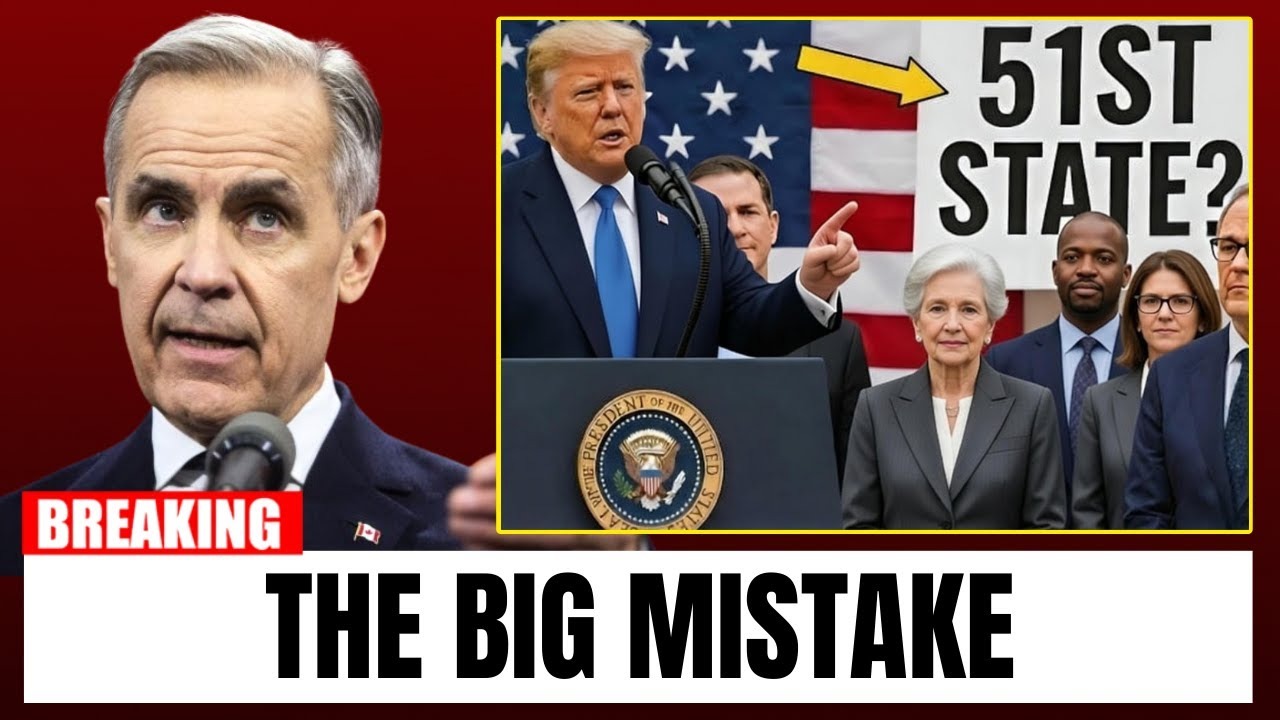
As the U.S. strategy backfires, signs of economic strain are emerging within the U.S. itself. Analysts are noting that persistent trade uncertainty is causing disruptions in U.S. manufacturing and investment, raising questions about the effectiveness of the U.S. approach.
Meanwhile, Canada is rapidly repositioning itself. The International Monetary Fund reports that Canada has shown remarkable resilience, with foreign direct investment surging significantly. This shift indicates that Canada is diversifying its trade relationships beyond the U.S., fostering new partnerships with Europe, India, and South America.
The transformation is evident in sectors like oil production, where Newfoundland and Labrador now exports more than half of its output to Europe, a significant shift from past reliance on the U.S. This diversification is not just a business strategy; it reflects a broader geopolitical realignment.
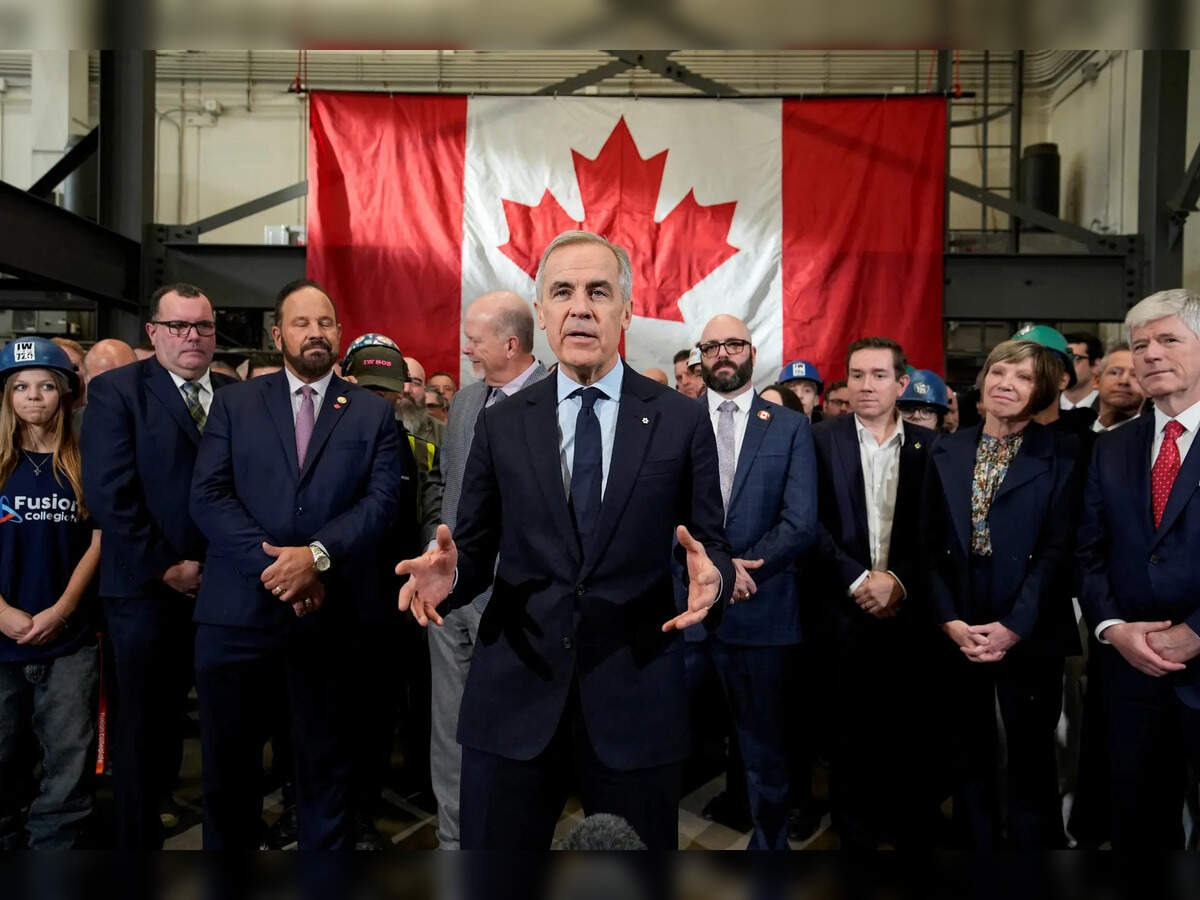
As U.S. manufacturing activity declines, Canadian firms are restructuring their supply chains to reduce dependence on American markets. This strategic overhaul is positioning Canada as a more self-reliant economic player, potentially reshaping North American trade dynamics.
The U.S. ambassador to Canada has attempted to ease tensions but acknowledges that the boundaries between domestic and international politics are blurring. This admission only heightens scrutiny and concern among Canadian policymakers.
With a major review of the USMCA approaching, the stakes are escalating. Leaders from both nations are engaging in high-level discussions, but the underlying question remains: has the U.S. pressure inadvertently strengthened Canada’s economic independence?
As both nations prepare for what could be a pivotal moment in trade history, the outcome of this confrontation may have lasting implications for North American economic relations. The world is watching closely as the situation unfolds, with potential ramifications that could reshape the continent’s economic landscape for decades to come