Claims that a larger geopolitical strategic cooperation between Viktor Orbán and Donald Trump regarding the future of the European Union may be emerging are spreading rapidly on the internet and in several political forums.
According to the narrative that has gone viral, Viktor Orbán may be preparing for a longer-term political role in Brussels, while some commentators assume that European right-wing and sovereigntist forces are increasingly trying to organize themselves against the current direction of the EU institutions.
However, it is important to emphasize that there is currently no credible evidence that there is any “secret Trump-Orbán plan” or coordinated action to replace Ursula von der Leyen.
A significant part of the claims circulating on social media are speculation, political opinion or highly dramatized narratives.
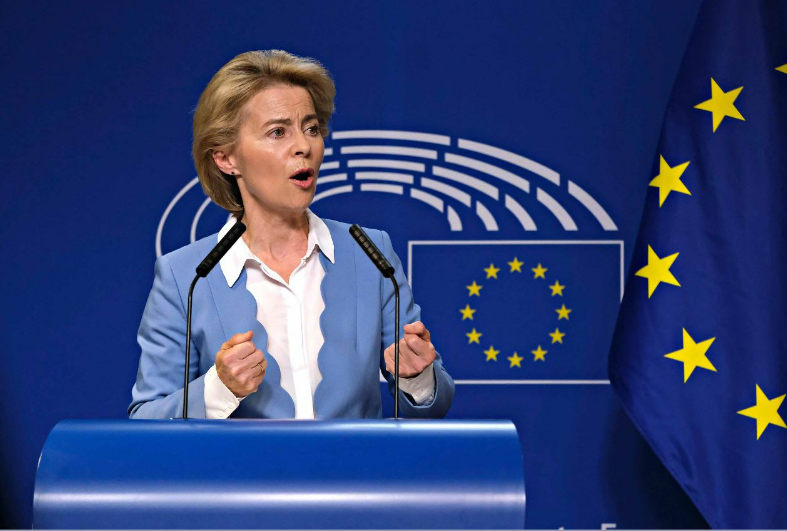
The speculation has received so much attention, however, because political forces within the European Union that openly criticize Brussels’ current economic and climate policies are indeed gaining strength.
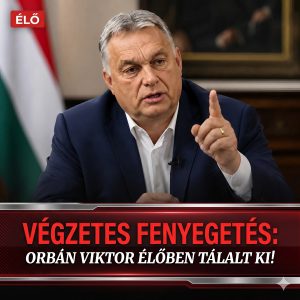
Viktor Orbán has long been one of the most vocal critics of several EU decisions, especially on migration policy, sanctions, and the Green Deal.
Meanwhile, Donald Trump’s political comeback in the US is also strengthening international right-wing movements that support the reduction of globalization and the role of supranational institutions.
According to political analysts, the talk of the so-called “Orbán-Trump axis” is actually more of a symbolic political narrative than a concrete plan for taking over power.
Several sensitive issues are at the heart of the debate:
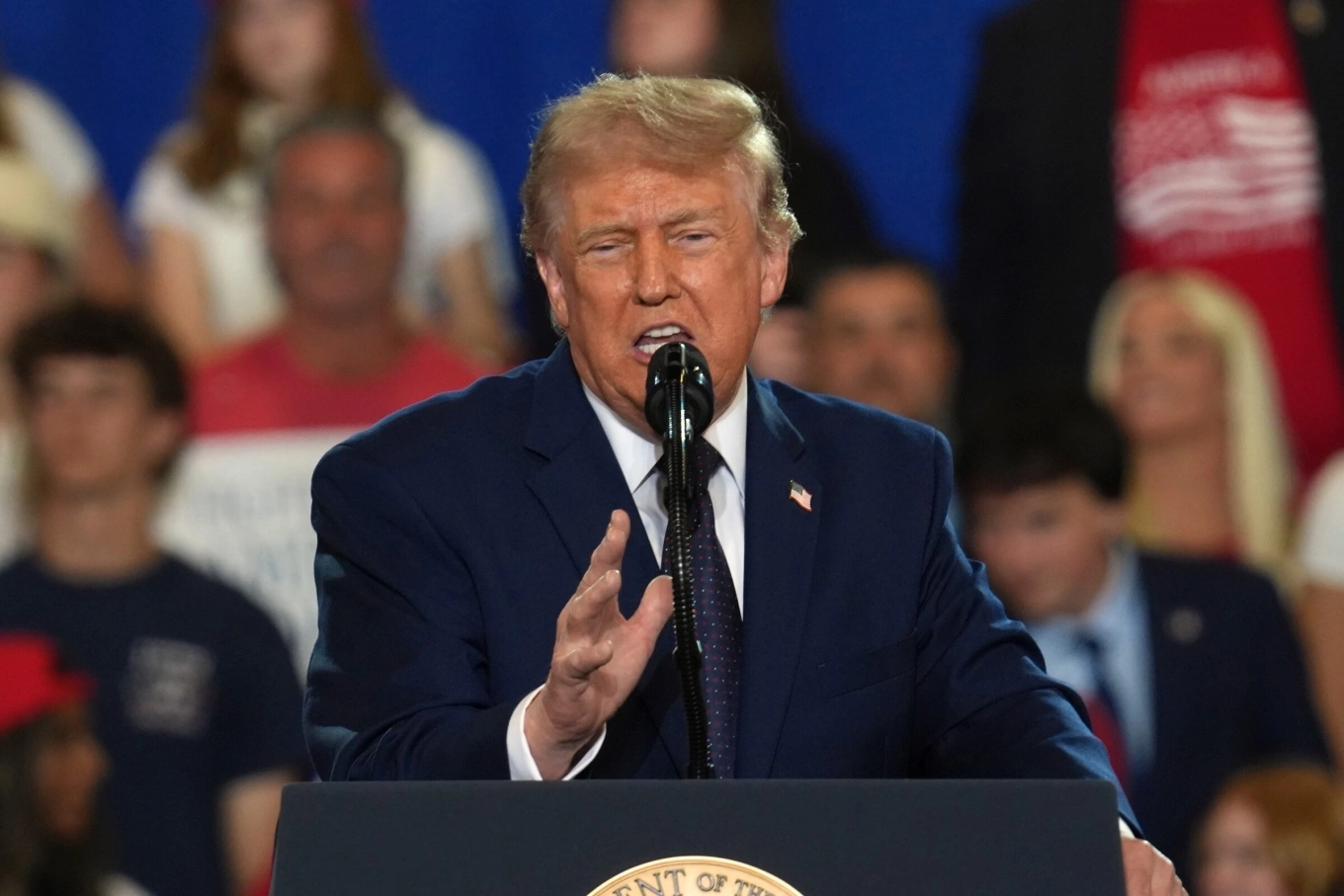
the future of the European Union,
the question of national sovereignty,
the economic effects of climate policy,
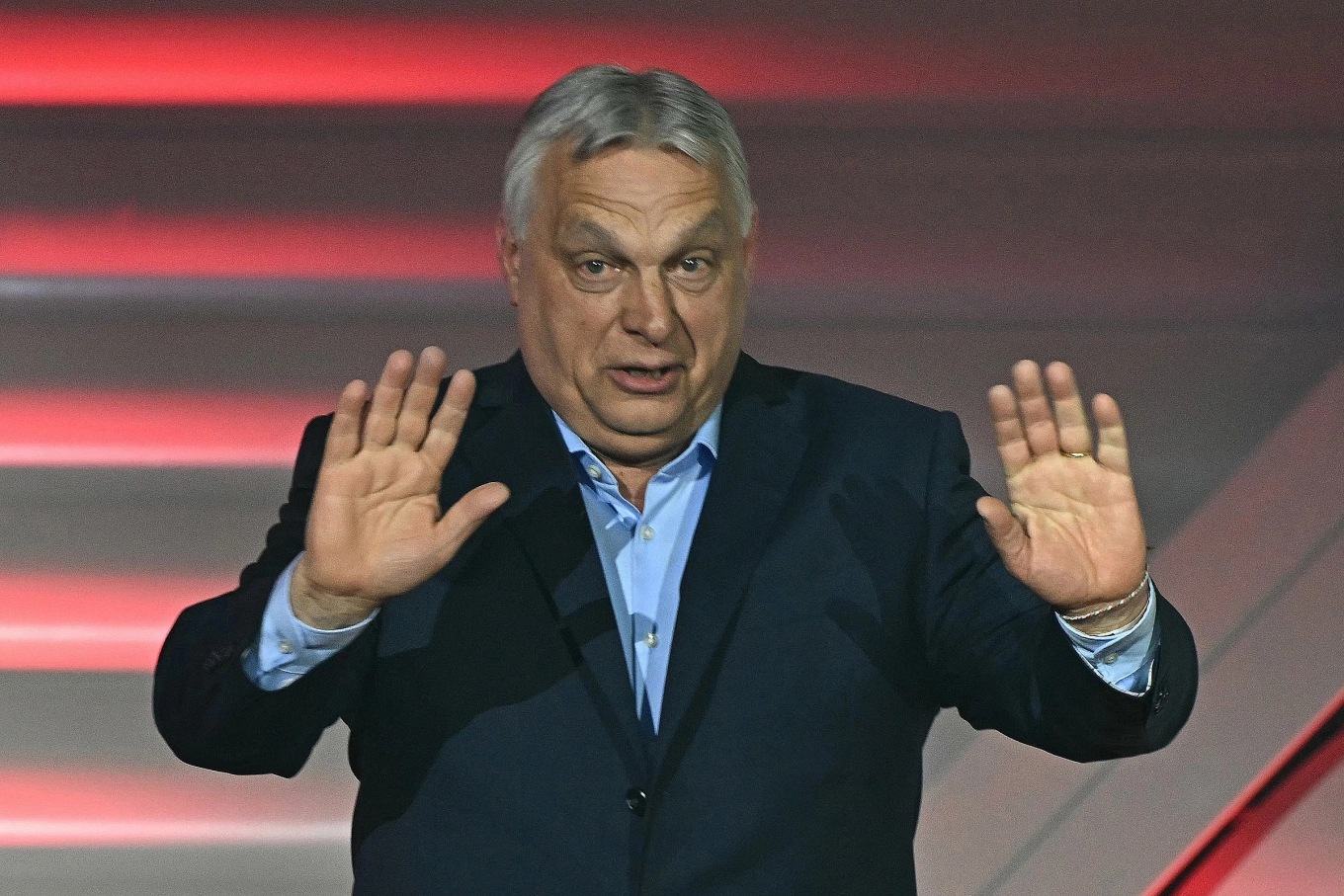
and the competitiveness of European industry.
In particular, CO₂ taxes and the Green Deal have sparked heated debates in recent years.
Supporters say these measures are essential to combat climate change.
Critics, however, believe that moving too quickly could put a heavy economic burden on European companies and households.
Many users on social media are already talking about a historic turning point.
Others, however, say that the over-dramatization is more of a political campaign tool that relies on emotions rather than concrete facts.
It is certain that Viktor Orbán remains one of the most influential and divisive figures in European politics.
His speeches and international relations regularly provoke strong reactions from both his supporters and opponents.
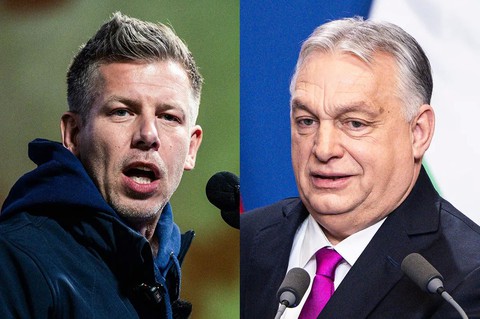
It is also clear that a sharp political divide is emerging in Europe between federalist and sovereignist trends.
This conflict is expected to intensify in the coming years, especially in times of economic uncertainty and geopolitical tensions.
Whether a new political bloc will actually emerge around Viktor Orbán in Europe is still unclear.
But it is already clear that such narratives can trigger extremely strong emotional and political reactions across the continent.