JUST IN: A Critical Moment From Jack Smith’s Deposition Sends Shockwaves Through Washington
New Allegations, Explosive Claims, and a Political Firestorm Reignite the January 6 Debate
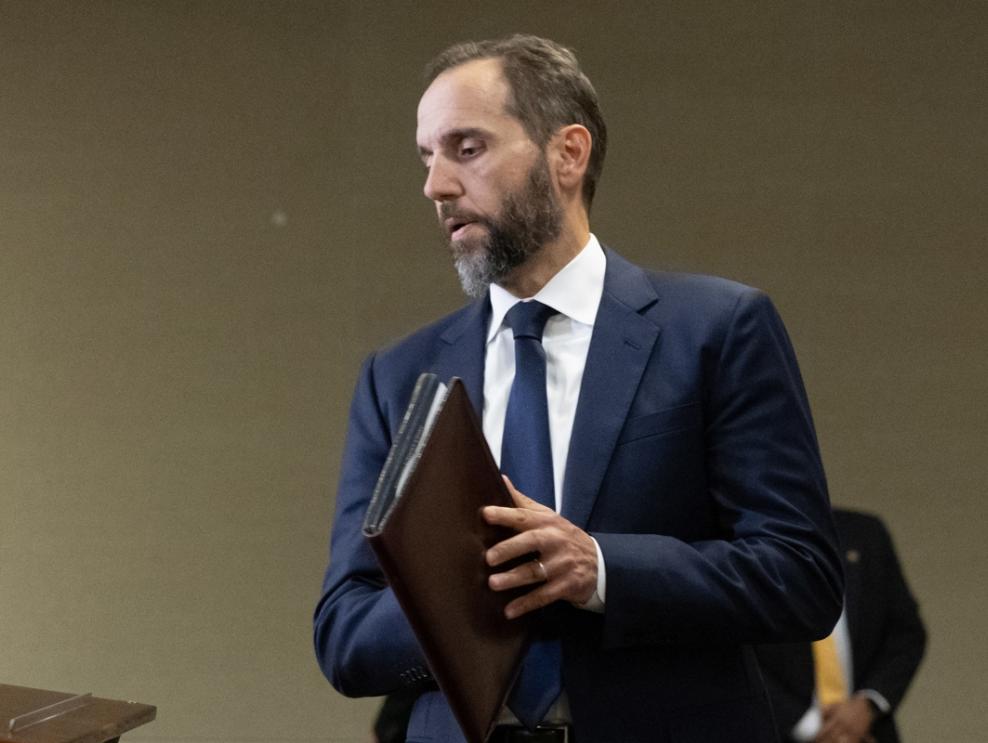
Washington was jolted today after reports surfaced describing what insiders are calling the most consequential moment from Special Counsel Jack Smith’s closed-door deposition—a moment that is already reverberating across the political landscape. According to accounts circulating among legal observers and media figures, Smith laid out a stark narrative of Donald Trump’s alleged conduct surrounding the January 6, 2021 attack on the U.S. Capitol, framing it as central to what prosecutors view as a broader effort to overturn the 2020 election.
The deposition, which stretched nearly eight hours behind closed doors, reportedly reached a dramatic peak when Smith addressed Trump’s actions—and inactions—during the chaos at the Capitol. Those familiar with the testimony say Smith described Trump as being in contact with trusted allies as the situation unfolded, while simultaneously declining to take steps that could have helped quell the violence. The description, presented as part of the prosecution’s theory, immediately ignited intense debate over intent, responsibility, and accountability at the highest level of power.
In one portion of the testimony now being widely quoted, Smith is reported to have said that Trump was “getting calls from people he trusts,” individuals prosecutors allege were closely connected to events on the ground. According to this account, Smith argued that Trump’s refusal to intervene in that moment was not incidental but significant to how investigators interpret his state of mind. Legal analysts stress that such statements reflect the prosecution’s position, not a final judicial finding—but the symbolism of the claim has proven explosive.
Within minutes of these details emerging, political media went into overdrive. Cable news panels interrupted programming, social media feeds erupted with commentary, and hashtags referencing the deposition surged nationwide. Supporters of Trump immediately rejected the narrative as politically motivated, while critics described the reported testimony as damning. The divide was instantaneous and familiar, yet the stakes felt unmistakably higher.
Smith’s reported remarks did not stop at January 6. According to those briefed on the deposition, he outlined what he characterized as a sweeping pattern of conduct, alleging criminal schemes that extended beyond a single day. These included efforts to overturn the election results, obstruct the peaceful transfer of power, mishandle classified documents, and interfere with justice. Smith reportedly emphasized that his approach was guided by evidence rather than politics, a point he underscored repeatedly during questioning.
One particularly striking moment, according to accounts, came when Smith addressed the broader implications of prosecuting a former president. He is said to have insisted that party affiliation played no role in his decisions, arguing that the rule of law must apply equally—even at the highest levels. Observers say this line was delivered calmly but forcefully, signaling how central that principle is to the prosecution’s public posture.
Trump’s allies reacted swiftly. Within hours, statements from supportive lawmakers and commentators dismissed the deposition’s reported content as a “selective leak” designed to sway public opinion. They argued that closed-door testimony lacks context when filtered through unnamed sources and warned against treating allegations as conclusions. Some accused Smith of attempting to litigate his case in the media rather than the courtroom.
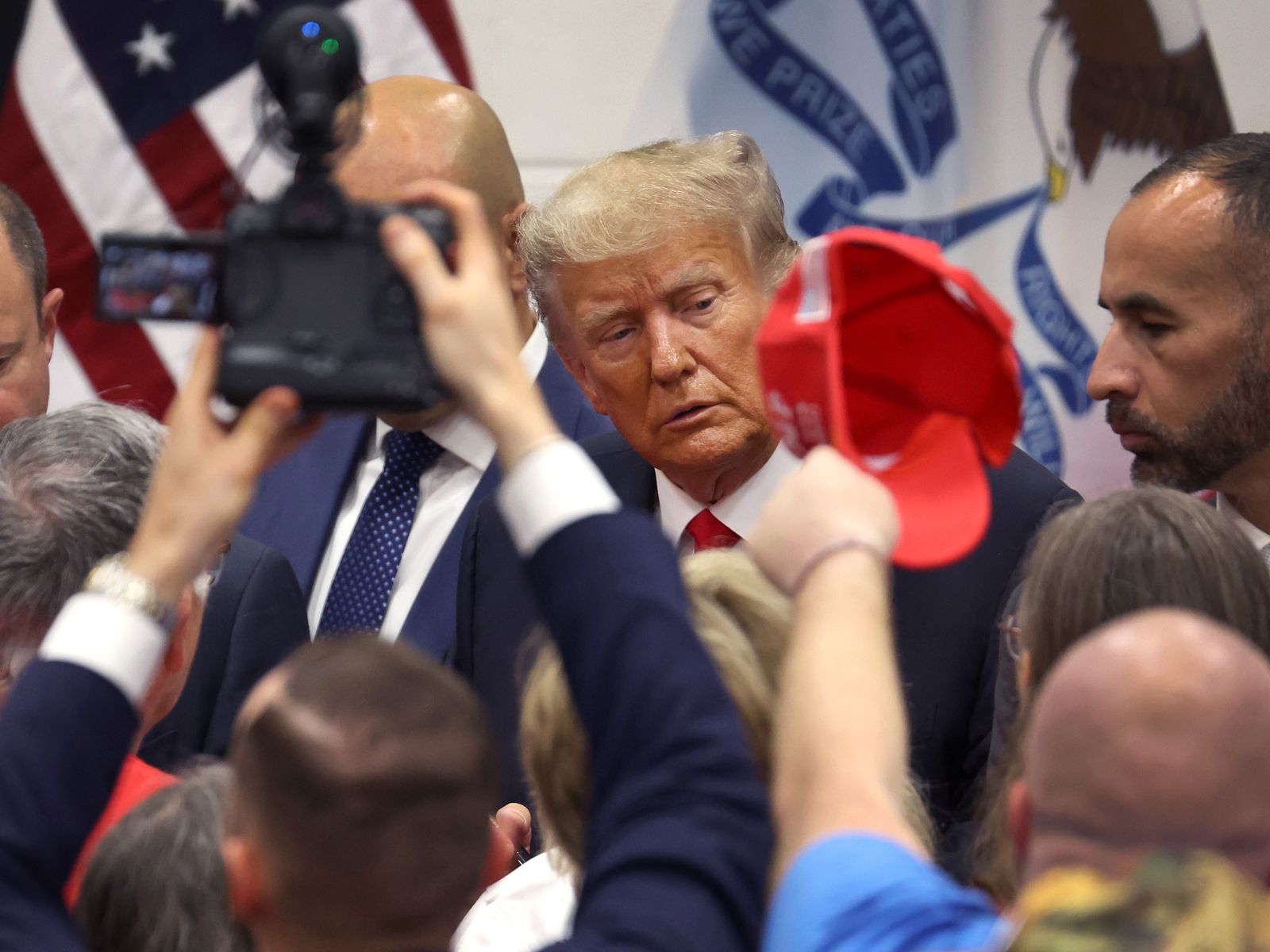
Trump himself has consistently denied wrongdoing related to January 6 and the aftermath of the 2020 election, portraying investigations as partisan attacks. While no immediate response was issued regarding the latest reports, his supporters flooded online platforms with counterclaims, videos, and past statements aimed at reframing the narrative. The result was a digital clash reflecting the country’s enduring polarization.
Legal experts watching from the sidelines urged caution. Depositions, they noted, are part of an adversarial process, where arguments are advanced and tested rather than settled. “What matters,” one former prosecutor explained, “is what can ultimately be proven in court, under the standards of law.” Still, the expert acknowledged that perception often shapes politics long before verdicts are reached.
For Democrats, the reported testimony reinforced long-held concerns about accountability. Several lawmakers called the deposition details “deeply troubling,” while stopping short of declaring outcomes. Others emphasized that the justice system must be allowed to proceed without interference, even as political pressure intensifies.
The broader impact may be cultural as much as legal. January 6 remains a raw national wound, and any new allegation tied to that day reopens unresolved questions about leadership, loyalty, and democracy itself. The reported deposition moment has already become a touchstone—cited by commentators as either proof of grave misconduct or evidence of prosecutorial overreach, depending on perspective.
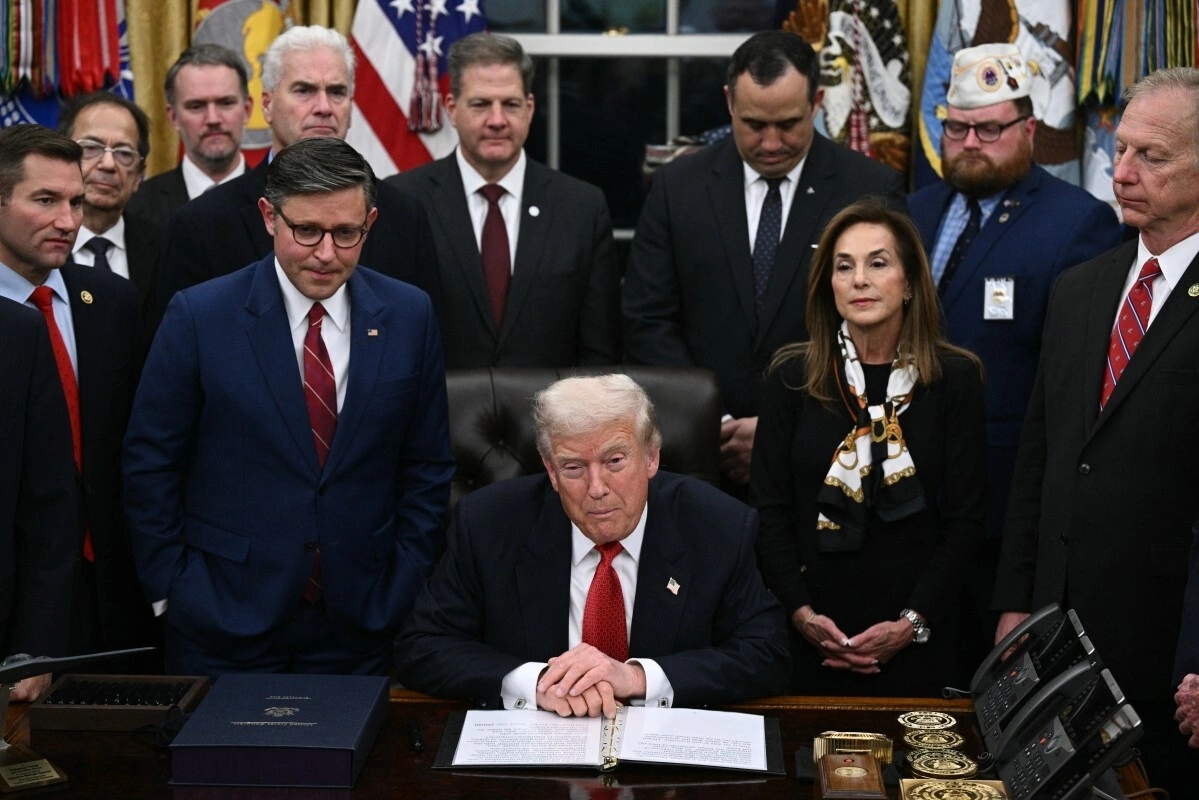
As calls circulate online urging the release of the full deposition transcript or video, expectations continue to rise. Whether additional material becomes public remains uncertain, but the appetite for answers is undeniable. Each new fragment, verified or not, feeds a cycle of outrage, defense, and speculation.
What is clear is that this moment—real or perceived—has re-energized a story many believed had settled into the background. Jack Smith’s deposition, once a procedural step, has now become a focal point in the ongoing struggle over truth, power, and accountability in modern American politics. As Washington braces for the next development, one reality looms large: the legal battles surrounding Donald Trump are no longer just courtroom dramas—they are defining chapters in a national reckoning that shows no sign of slowing down.