Mark Carney’s Accountability Challenge: Why Parliament Attendance Matters More Than Ever
Canadian politics is entering a period of unusual tension. Economic uncertainty, trade disputes, rising living costs, and public frustration are creating pressure on the federal government from multiple directions at once.
At the center of that pressure stands Prime Minister Mark Carney, a leader who entered office with a reputation built on economic expertise and international credibility.
Yet recent political debate has focused less on policy announcements and more on a question of visibility and accountability.
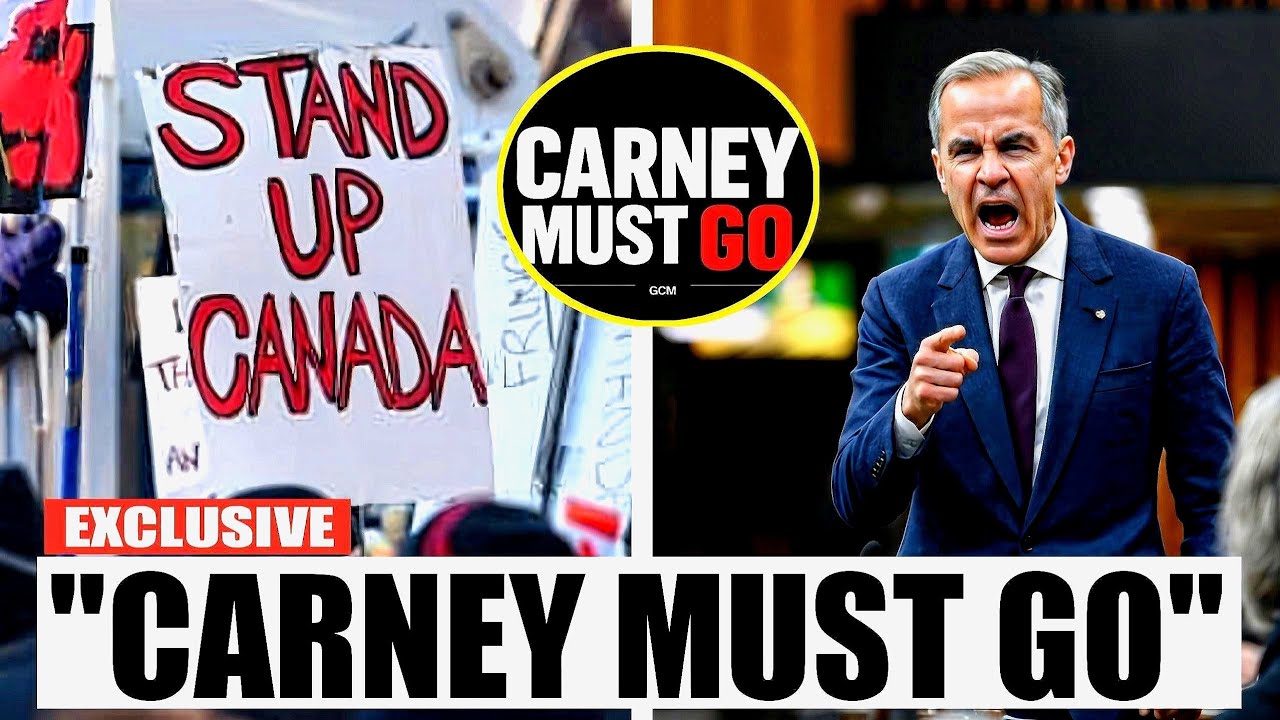
Opposition figures have increasingly criticized Carney’s attendance in Question Period, arguing that the prime minister should spend more time directly answering questions in the House of Commons.
The criticism comes from multiple political corners. Conservatives have raised concerns about accessibility, while New Democratic Party representatives have expressed frustration that their questions often go unanswered directly by the prime minister.
Question Period occupies a unique place in Canada’s parliamentary system. It is one of the few moments when government decisions face immediate public scrutiny through elected representatives.
For that reason, attendance carries symbolic weight far beyond the daily political exchanges that dominate headlines.
Carney’s supporters argue that modern prime ministers face responsibilities extending well beyond Parliament Hill. International diplomacy, economic negotiations, security discussions, and domestic policy coordination consume significant amounts of time.
Critics counter that none of those responsibilities replace the obligation to remain accountable before Parliament.
The debate is not really about one appearance or one missed session. It reflects a broader concern about how democratic accountability functions during periods of national uncertainty.
That uncertainty is visible across several policy areas. Canada continues to navigate trade tensions with major partners, including the United States.
At the same time, housing affordability, inflation concerns, and economic competitiveness remain central issues for many Canadian households.
These challenges have increased public demand for direct explanations from political leaders.
The issue becomes even more significant because Carney was elected largely on the promise of competence and stability.
Unlike many traditional politicians, his public image was built on his experience leading major financial institutions during periods of economic turbulence.
That background created high expectations. Canadians were not simply voting for a political platform; many were voting for a management style.
When expectations are high, visibility becomes especially important. Citizens want reassurance that their leaders understand the challenges they face and are actively engaged in addressing them.
Political communication has changed dramatically in recent years. Leadership is no longer judged only by policy outcomes but also by public presence.
Every absence becomes part of a larger narrative. Every appearance becomes an opportunity to strengthen or weaken public confidence.
This dynamic is not unique to Canada. Across Western democracies, political legitimacy increasingly depends on a combination of performance and accessibility.
Voters expect leaders to explain decisions in real time rather than relying solely on institutional processes.
For Carney, the challenge is therefore both political and strategic. Even if government policy remains unchanged, perceptions of accountability can influence public trust.
Trust, once weakened, becomes difficult to rebuild.
The opposition clearly recognizes this reality. By focusing attention on parliamentary attendance, critics are framing the debate around transparency rather than ideology.
That approach has the potential to resonate beyond traditional partisan divisions.
At the same time, the government faces a delicate balancing act. Appearing defensive could reinforce criticism, while increased engagement could help neutralize it.
The simplest solution may also be the most effective: greater direct participation in parliamentary debate.
Ultimately, the controversy surrounding Question Period is about more than scheduling. It reflects a larger question facing Canadian democracy.
In moments of economic anxiety and political uncertainty, citizens expect leadership that is not only competent but visible, not only experienced but accountable. Whether Mark Carney can successfully meet both expectations may become one of the defining political tests of his premiership.