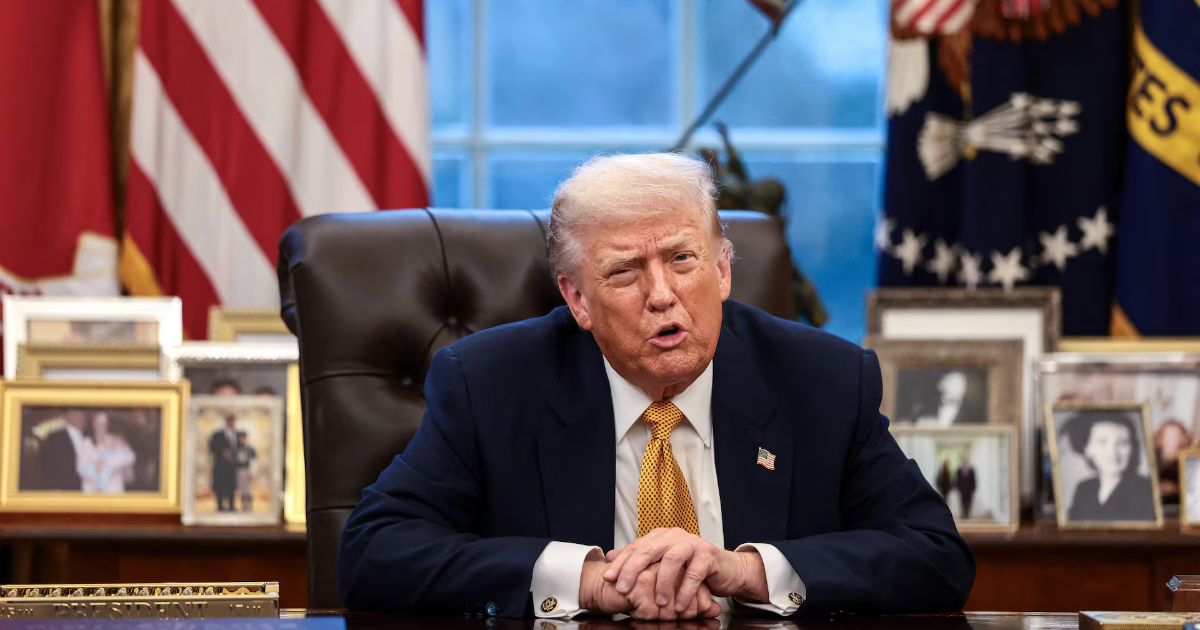
OTTAWA — As trade frictions between the United States and Canada intensify, European nations are increasingly courting Canadian uranium producers, forging long-term contracts that could redirect critical nuclear fuel supplies away from traditional American buyers.
The shift echoes an earlier pivot in the aluminum sector, where Canadian exporters redirected shipments to Europe in response to steep United States tariffs. What began as a dispute over tariffs on Canadian goods is now rippling through strategic energy supply chains.
Canada ranks as the world’s second-largest producer of uranium, behind only Kazakhstan. Its high-grade deposits in Saskatchewan have long supported nuclear programs across North America and beyond.
European countries, seeking to reduce reliance on Russian nuclear fuel amid geopolitical strains, are accelerating deals with Canadian miners. This comes as global uranium demand grows with renewed interest in nuclear power as a low-carbon energy source.
United States utilities have historically depended heavily on Canadian uranium, which has supplied roughly a quarter of American nuclear fuel needs in recent years. But new tariff policies have complicated that relationship.
In early 2025, the Trump administration imposed tariffs on imports from Canada, applying a 10 percent levy to energy resources including uranium. While lower than rates on other goods, the duties have prompted utilities and producers to reassess contracts and logistics.
Canadian officials and industry leaders have signaled openness to diversifying markets. Long-term supply agreements with European buyers offer stability and premium pricing in a tight global market.
“Canada is a reliable partner with strong ESG standards and secure supply chains,” said a senior executive at one major Saskatchewan producer, speaking on condition of anonymity. “European nations are eager to lock in volumes as they expand their nuclear fleets.”
The aluminum precedent looms large. After the United States raised tariffs on Canadian aluminum to 50 percent, producers rapidly shifted exports to European markets. Shipments to the Netherlands, Italy and other destinations surged, leaving some American manufacturers facing higher costs and supply uncertainty.
A similar dynamic now appears underway in uranium. While energy tariffs are lighter, the strategic nature of the resource amplifies concerns. Analysts warn that prolonged uncertainty could encourage permanent realignments in global supply networks.
For Europe, the appeal of Canadian uranium is multifaceted. The continent has been weaning itself off Russian-enriched fuel since the invasion of Ukraine. Canada offers political stability, transparent governance and proximity via Atlantic shipping routes.
European Union officials have quietly prioritized diversified sourcing in recent energy security reviews. Several member states with ambitious nuclear revival plans — including France, which already operates a large fleet, and newer entrants like Poland — are in advanced talks with Canadian firms.
On the American side, the tariffs were intended to protect domestic industry and address trade imbalances. Administration officials argue they encourage onshoring of critical mineral processing and reduce vulnerabilities in supply chains.
Yet industry groups caution that the policy risks backfiring. The United States lacks sufficient domestic uranium production and enrichment capacity to meet its nuclear power needs independently in the near term. Delays in new contracts have already contributed to market volatility.
“Tariffs on allies can disrupt integrated North American energy markets,” said a Washington-based trade analyst who tracks mineral security. “Nuclear fuel is not easily substituted overnight.”
Canadian producers like Cameco, a major player with operations in Saskatchewan, have reported strong interest from international buyers. The company and others benefit from long-term contracts that provide revenue predictability amid fluctuating spot prices.
The broader context includes rising global demand. Nuclear power is gaining favor as nations pursue decarbonization goals. With supply constraints persisting, competition for Canadian output is expected to intensify.
Trade experts note that supply chains for critical materials are particularly sensitive to policy shocks. What starts as a tariff dispute can accelerate diversification efforts that outlast the original conflict.
In Canada, the government has emphasized the importance of maintaining strong economic ties with the United States while exploring new partnerships. Officials point to the integrated nature of North American industry, where cross-border flows have benefited both economies for decades.
Still, the uranium shift carries symbolic weight. It highlights how disputes over one resource can influence others in the energy chain, from aluminum used in manufacturing to minerals essential for clean power generation.
Environmental and security considerations add layers to the debate. Canadian uranium mining adheres to stringent regulations, appealing to European buyers focused on sustainable sourcing. At the same time, expanding nuclear capacity globally raises questions about waste management and nonproliferation.
For American utilities, the challenge is balancing cost, reliability and policy signals. Some are exploring domestic revival projects and alliances with Australia or other allies, but these efforts require years to materialize.
As contracts solidify, the long-term implications for North American energy cooperation remain uncertain. Proponents of tariffs see them as leverage for fairer trade. Critics view them as disruptive to alliances at a time of great-power competition.
The episode underscores a central tension in modern geopolitics: the intersection of economic nationalism with the realities of globalized supply chains for strategic commodities.
Whether the current redirection proves temporary or marks a lasting realignment may depend on how tariff negotiations evolve and how quickly alternative capacities come online.
For now, European interest in Canadian uranium illustrates the adaptability of global markets — and the unintended consequences that can arise when trade weapons are deployed against close partners.
(Word count: 708)