During a tense exchange on Capitol Hill, Representative Daniel Goldman pressed former Trump aide Kash Patel with a direct question: whether Donald Trump appears in the files related to Jeffrey Epstein. Patel responded that all information legally permitted to be released has been made public, emphasizing limits imposed by law and investigative scope. The exchange underscored how Epstein-related disclosures continue to reverberate through congressional hearings and public debate.
The discussion soon shifted to Patel’s earlier role in defending Trump during the classified documents investigation tied to Mar-a-Lago. Patel had publicly supported claims that Trump possessed broad declassification authority and that materials taken from the White House were handled appropriately. Those assertions became central to Trump’s defense narrative as the Department of Justice intensified its probe into the handling of sensitive government records.
When subpoenaed to testify before a federal grand jury investigating the documents case, Patel initially invoked the Fifth Amendment, declining to answer questions that might incriminate him. Such a move is common in high-stakes investigations, particularly when witnesses may face potential legal exposure. At that stage, prosecutors lacked direct sworn testimony from one of Trump’s closest allies regarding internal handling of the documents.
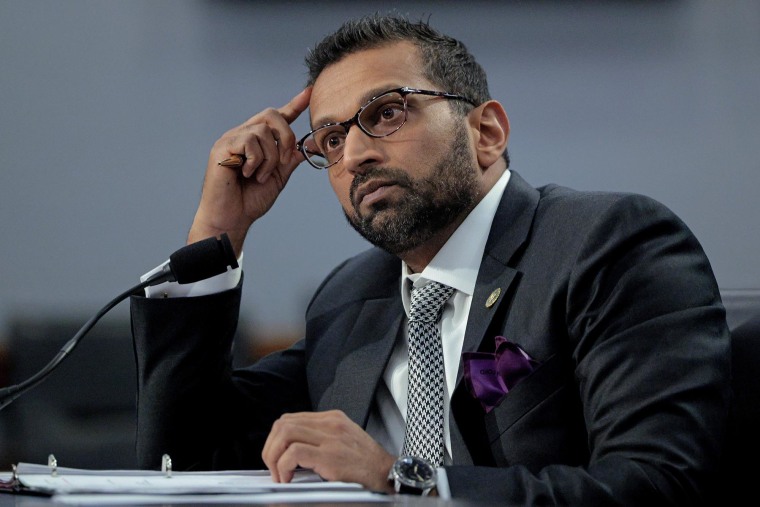
The situation changed in late 2022 when federal prosecutors sought and obtained a use-immunity order from Chief Judge Beryl Howell. Under federal law, use immunity compels testimony while preventing that testimony from being used against the witness in criminal proceedings. Once immunity was granted, Patel could no longer refuse to answer questions on Fifth Amendment grounds and was required to testify under oath before the grand jury.
Legal analysts note that use immunity is a strategic tool often employed when prosecutors believe a witness holds critical information but is reluctant to speak. While the protection shields the witness from prosecution based on their testimony, it does not prevent that testimony from being used against other individuals under investigation. In this case, Patel’s statements could potentially factor into proceedings involving Trump.
Public reporting has indicated that prosecutors questioned Patel in detail about document handling procedures, the process by which materials were transported to Mar-a-Lago, and claims regarding declassification authority. Central to the inquiry was whether any formal process or documentation supported assertions that sensitive records had been declassified before leaving the White House. The answers to those questions carry weight in determining intent and compliance with federal records laws.
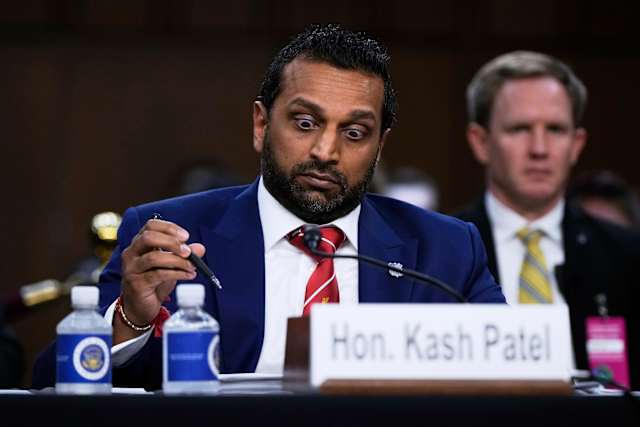
During subsequent Senate proceedings related to Patel’s confirmation for a federal role, lawmakers asked him about his grand jury testimony. Patel declined to discuss specifics, citing grand jury confidentiality rules, though witnesses are generally permitted to describe their own testimony publicly if they choose. His reluctance to elaborate fueled further political debate but did not disclose substantive details of what he told investigators.
The broader episode reflects a recurring dynamic in high-profile investigations: the Justice Department leveraging immunity agreements to secure testimony from insiders. Similar tactics have been used in past financial and political probes when prosecutors sought cooperation from close associates of principal figures. Whether Patel’s testimony ultimately strengthens or complicates the case against Trump remains a matter for courts to determine, but the procedural maneuver underscores the seriousness with which federal authorities have approached the classified documents inquiry.