
For years, Florida has been more than just another swing state. It has been Donald Trump’s political fortress — the place where rallies roar loudest, margins run widest, and confidence radiates strongest.
But something is shifting beneath the palm trees. And this time, the warning signs are not coming from cable news panels or partisan activists. They are emerging from numbers — cold, stubborn, difficult-to-spin numbers.
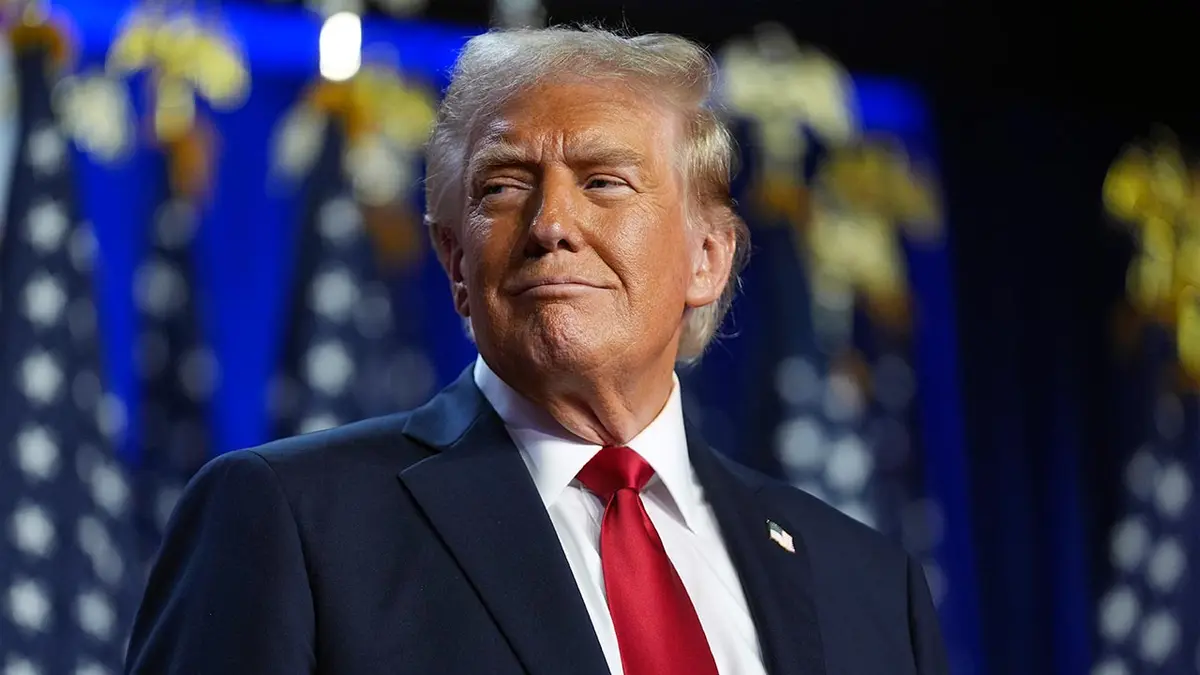
Recent polling places Trump at a net negative 7.5 percent approval rating in Florida. For a state long considered friendly terrain, that figure is more than a dip. It is a tremor. And tremors, in politics, rarely remain isolated.
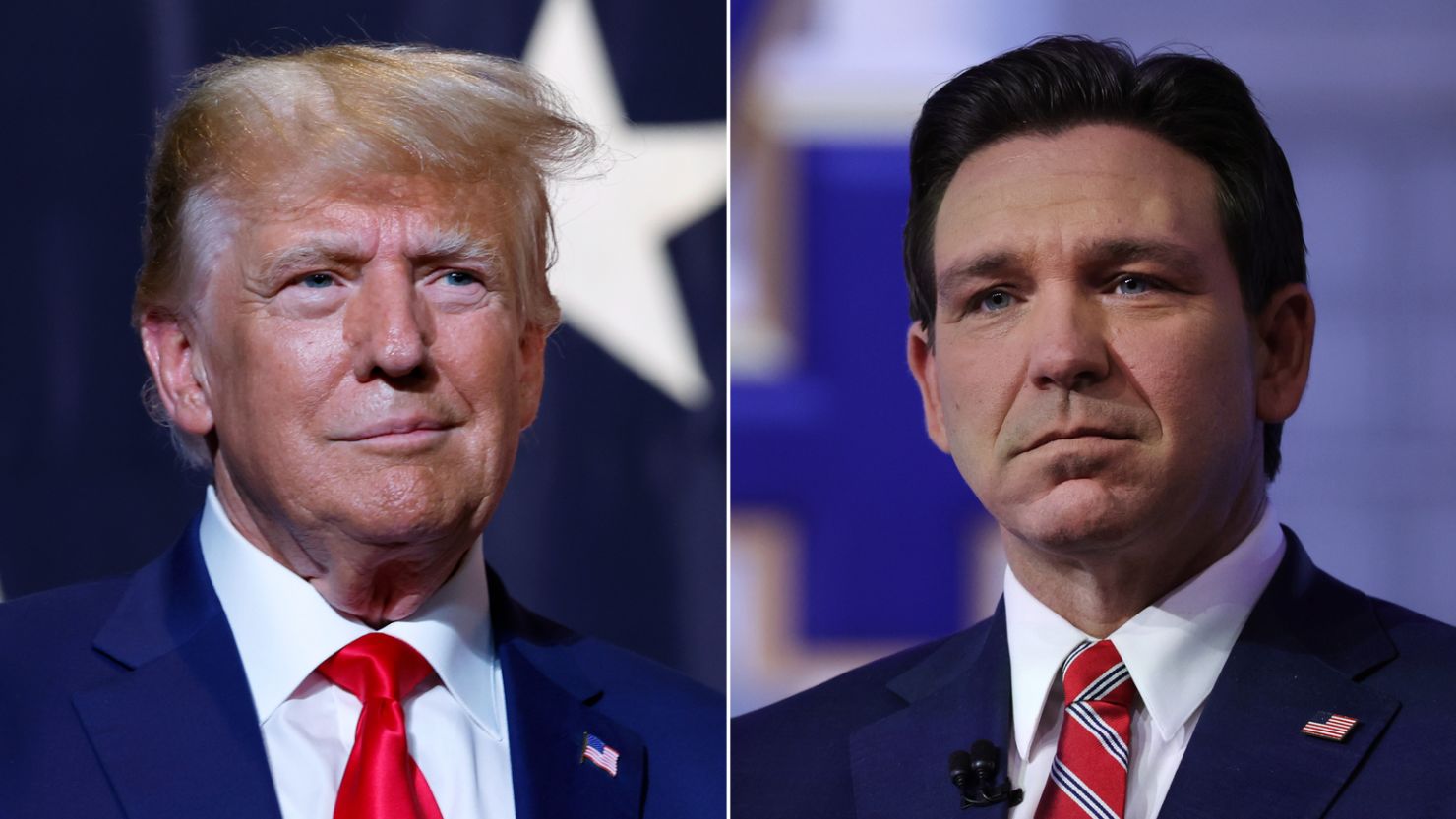
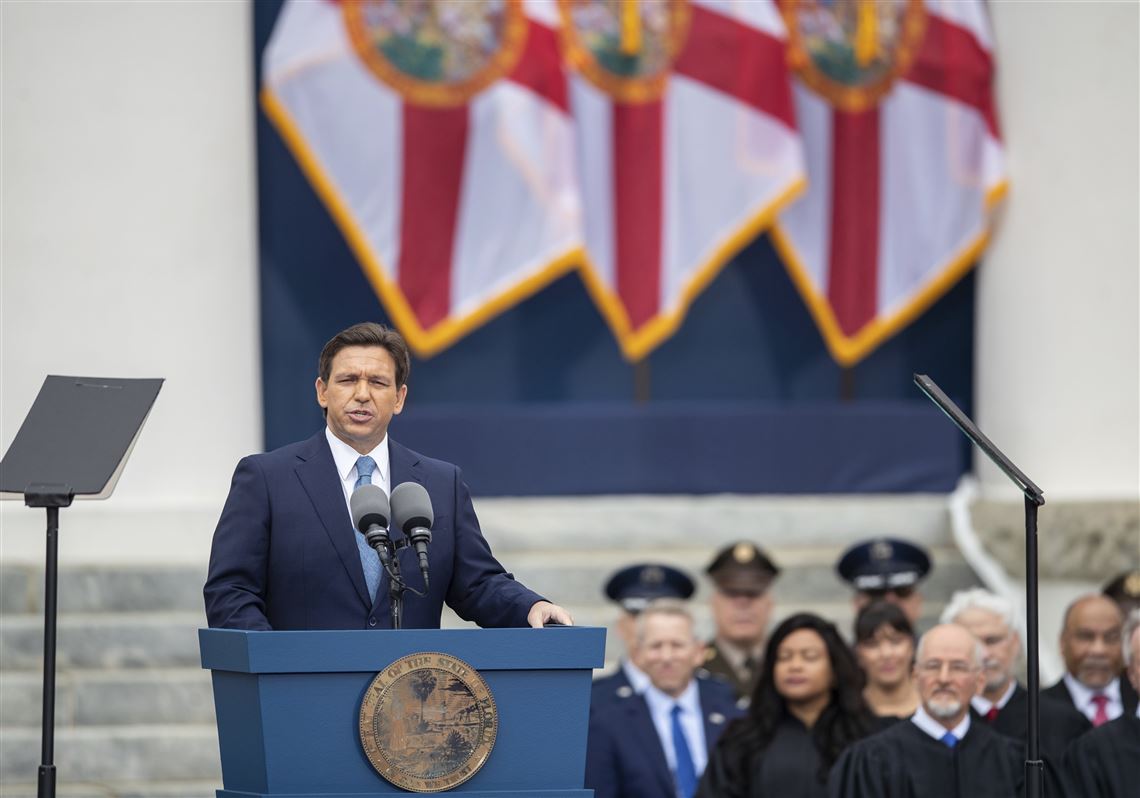
Republican strategists privately admit the concern is real. Florida Governor Ron DeSantis himself acknowledged that dramatic electoral swings in other states cannot simply be dismissed as anomalies. When party leaders start using cautious language, seasoned observers take notice.
The shockwaves began outside Florida. In a Texas state senate race held in a solidly pro-Trump district, a Democrat overperformed by 31 points and secured victory. Such a margin was once unthinkable in deeply conservative territory.
While Texas is not Florida, the symbolism resonates. If long-red districts can wobble elsewhere, Florida’s suburban battlegrounds may not be immune. Political gravity, once assumed stable, appears increasingly volatile.
The clearest signal came in Miami. In a city accustomed to Republican strength in recent cycles, voters elected their first Democratic mayor in nearly three decades — despite Trump endorsing the opposing candidate. The upset reverberated beyond city limits.
Then there is Florida’s 27th Congressional District, one of the most closely watched races heading into the midterms. Representative Maria Salazar, a MAGA-aligned Republican, now faces scrutiny over immigration messaging that critics describe as misleading.
Salazar previously assured immigrant communities that deportation efforts would focus solely on criminals. Yet policy changes, including the revocation of certain protections and expanded enforcement, have left many Cuban, Venezuelan, Nicaraguan, and Haitian families unsettled.
Her proposed “Dignity Act,” intended as an immigration compromise, has struggled to gain traction. Without a clear pathway to citizenship and limited White House engagement, it remains politically symbolic rather than legislatively transformative.
Compounding the pressure are broader economic anxieties. Cuts to healthcare subsidies, SNAP benefits, and senior protections resonate deeply in districts where working families already feel squeezed by inflation and rising housing costs.
Democratic challengers sense opportunity. They argue that frustration is crossing partisan lines — that former Trump voters are reconsidering their allegiance not out of ideology, but out of economic fatigue and policy disappointment.
For British and American observers alike, the Florida narrative carries weight. The state has often mirrored national mood swings, serving as a bellwether for broader electoral currents. When Florida trembles, Washington listens.
None of this guarantees a political collapse. Trump retains a loyal base, and Florida’s electorate remains fiercely competitive. But momentum matters in midterm cycles. And momentum, at least for now, appears less certain than it once did.
If Florida’s 27th flips, control of the House could hinge on districts like it. The Sunshine State may soon determine not only local fortunes, but the balance of power in Congress itself.
Fortresses do not fall overnight. They erode quietly, brick by brick, often before their defenders notice.
The question now hanging over Florida is simple — and potentially historic:
Is this just turbulence… or the beginning of a structural shift?






