“Oniongate”: Spontaneous Canadian Consumer Boycott Wipes Out $67 Million in U.S. Exports Overnight
In an unprecedented display of consumer-led economic retaliation, a grassroots boycott of American agricultural products, spearheaded by a viral rejection of U.S. onions, has erupted across Canada, erasing an estimated $67 million in export value in less than 24 hours. The stunning, self-organized movement has left the Trump administration scrambling and U.S. producers in a state of panic, exposing the vulnerability of integrated North American supply chains to sudden public sentiment.
The boycott ignited late Wednesday following President Trump’s latest rally in Grand Rapids, Michigan, where he touted plans for aggressive new “reciprocity tariffs” on Canadian softwood lumber and dairy, framing them as “long-overdue penalties for years of taking advantage.” Within hours, the hashtag #BoycottUSAOnions began trending on Canadian social media, not as a directive from any official body, but as a symbolic consumer manifesto. The humble onion—a staple in both countries’ kitchens—became the frontline.
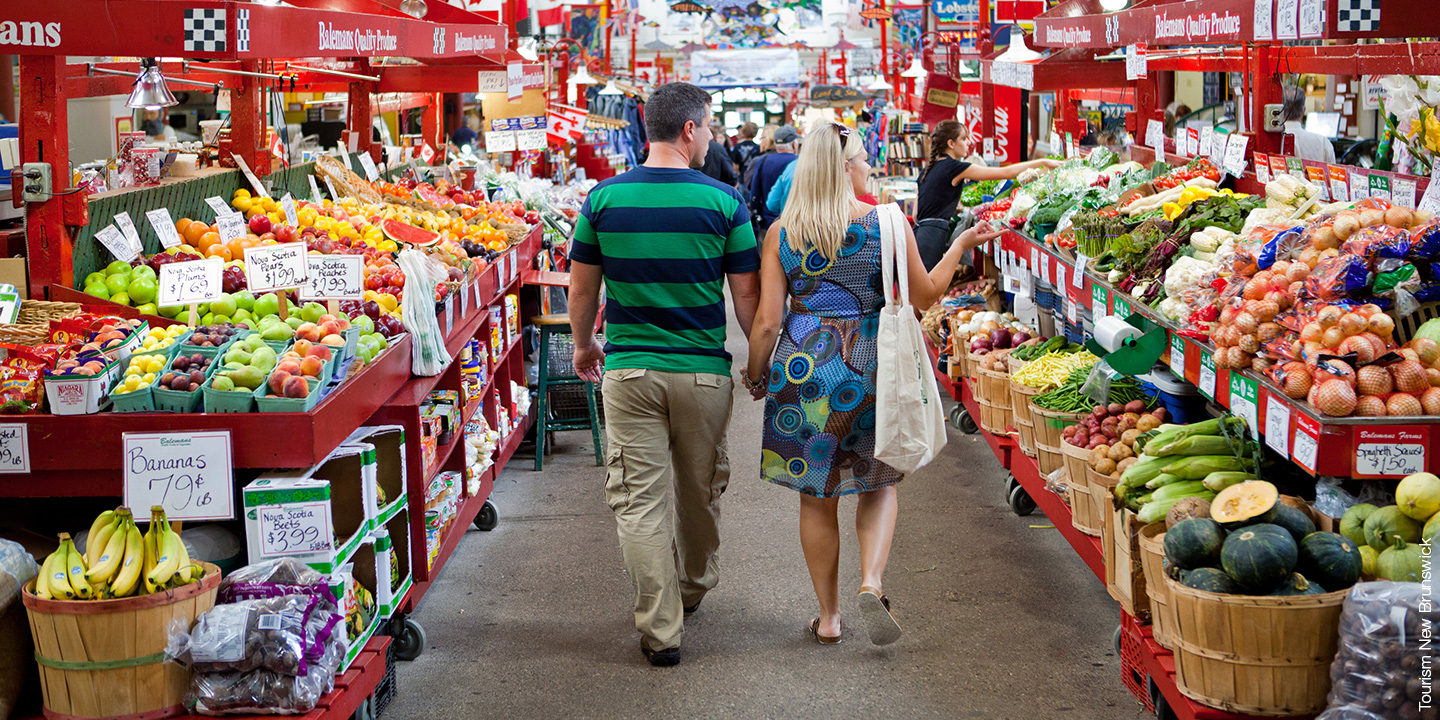
“It started as a joke, a meme about not crying over U.S. onions anymore,” explained Marcel Leclair, a digital strategist in Montreal whose initial post gained millions of views. “But it tapped into a real, simmering frustration. This isn’t just about trade. It’s about respect. It felt like the right moment to say, with our wallets, that we won’t be bullied.”
The effect was immediate and visceral. Major grocery chains like Loblaws, Sobeys, and Metro reported a flood of customer inquiries demanding the removal of U.S.-origin produce. By Thursday morning, shelves typically stocked with onions from Idaho, Washington, and Oregon were either empty or conspicuously relabeled with Canadian alternatives from Ontario or Prince Edward Island. The movement swiftly expanded beyond the produce aisle. Restaurants, from Tim Hortons to high-end bistros, announced switches to domestic suppliers. Canadian wineries reported a surge in orders replacing California bottles, and even U.S.-made snack foods faced sudden scrutiny.
“The coordination was organic, not governmental,” said Arlene Finch, CEO of the Canadian Federation of Independent Grocers. “We’ve never seen anything like it. The supply chain whiplash is absolute. Trucks are being turned back at the border, and orders are being canceled mid-transit.”

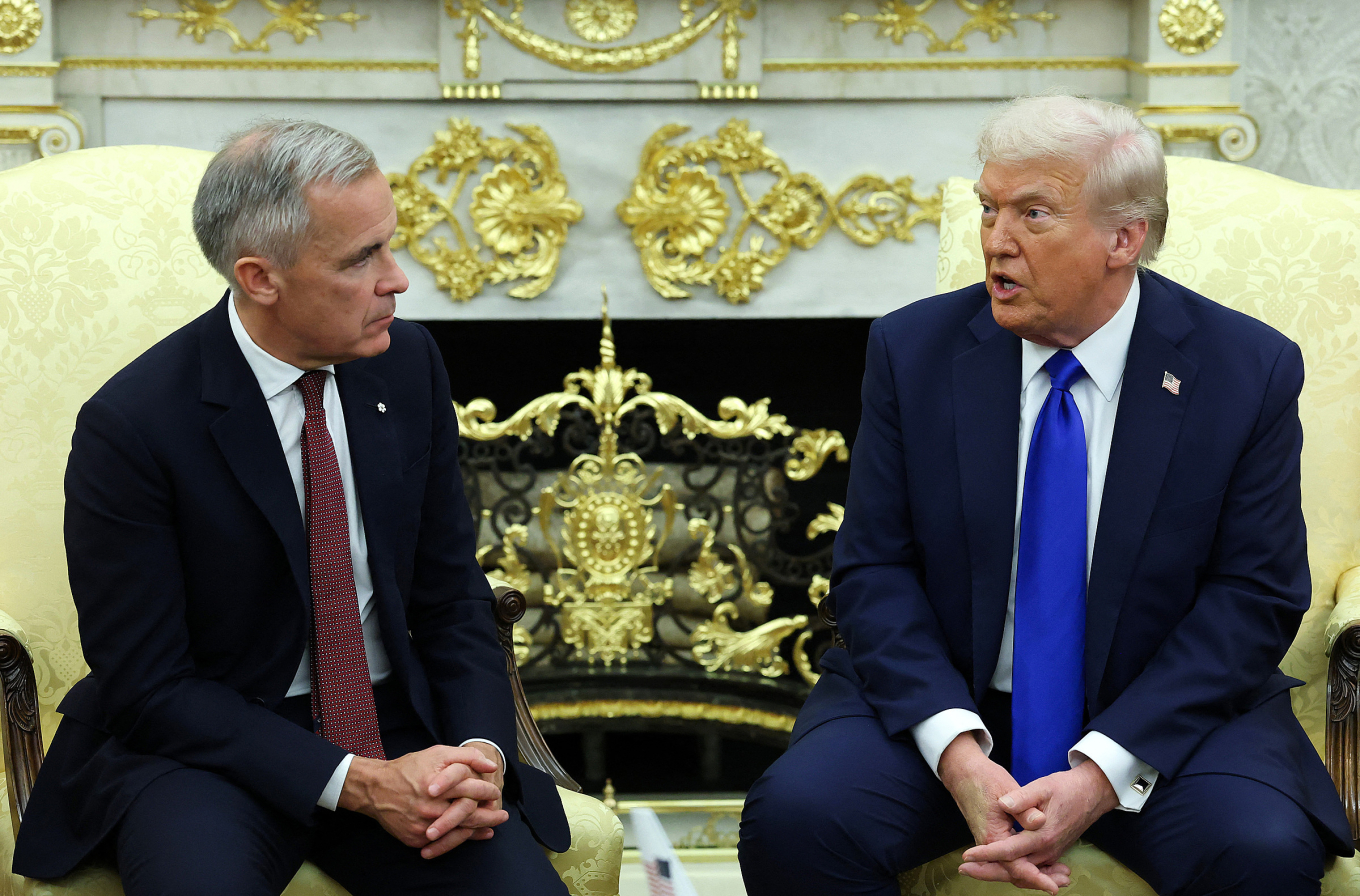
In Washington, the reaction was one of stunned confusion. Sources within the West Wing describe President Trump as both furious and perplexed, demanding answers on how the Canadian government could orchestrate such a precise economic strike. Advisors have been forced to explain that this is a market force, not a state action—a distinction that appears to magnify the sense of political humiliation. “He views it as an act of war by other means,” a senior administration official confided, speaking on condition of anonymity. “The idea that consumers did this spontaneously is, in his mind, inconceivable.”
The economic impact is concentrated and severe. The $67 million figure, compiled by analysts at the BMO Capital Markets, represents not just lost immediate sales but also broken contracts and the urgent, costly rerouting of perishable goods. “For onion growers in the Pacific Northwest, Canada is their largest export market,” explained commodity analyst Ben Rossi. “A sustained boycott doesn’t just hurt sales; it collapses prices domestically as a glut builds up. The ripple into other sectors—wine, apples, processed foods—is already beginning.”
The Canadian government, while careful not to officially endorse the boycott, has struck a firm tone. Prime Minister Chrystia Freeland, in a brief statement, said, “Canadian consumers are free to make their own choices. Our government’s focus remains on defending Canada’s national interest and our workers through legal and diplomatic channels.” This calibrated response is seen as amplifying the message: the official lever-pull in Ottawa may yet come, but for now, the people have spoken.
The event signals a new era in trade disputes, where geopolitical tensions can be instantly monetized by consumer sentiment, bypassing traditional, slower-moving government tariffs. “This is digital-age protectionism,” said Dr. Siobhan O’Neil of the Center for Strategic and International Studies. “A trade tool once reserved for states is now in the hands of millions of individuals, activated by a social media post. It’s nimble, devastatingly effective in the short term, and almost impossible to negotiate against.”
As U.S. agricultural lobbyists descend on Capitol Hill demanding federal intervention and Canadian suppliers work frantically to scale up production, the question on both sides of the border is whether this is a flash in the pan or the new normal. For American farmers watching a lifetime of cross-border partnership evaporate in a single night, the shock is profound. The boycott may have started with an onion, but its implications are far more far-reaching, proving that in a connected world, the most potent trade sanction may not come from a government decree, but from the collective choice of a nation’s shoppers.






