World Cup 2026 Faces Geopolitical Storm as Iran’s Withdrawal Threat Reverberates Across FIFA
The 2026 FIFA World Cup, set to unfold across the United States, Canada, and Mexico, was designed to be a celebration of football on an unprecedented scale. Expanded to include 48 teams and hosted across three nations, the tournament promised unity, spectacle, and global attention. Instead, with less than three months before kickoff, it now finds itself at the center of a mounting geopolitical crisis—one that raises fundamental questions about the intersection of sport, diplomacy, and security.
At the heart of the turmoil is Iran’s abrupt declaration that it will not participate in the tournament under any circumstances. The announcement, delivered amid escalating military conflict involving the United States and Israel, signals more than a single team’s withdrawal. It reflects a broader unraveling of the delicate balance that international sporting bodies like FIFA have long tried to maintain between global competition and political neutrality.
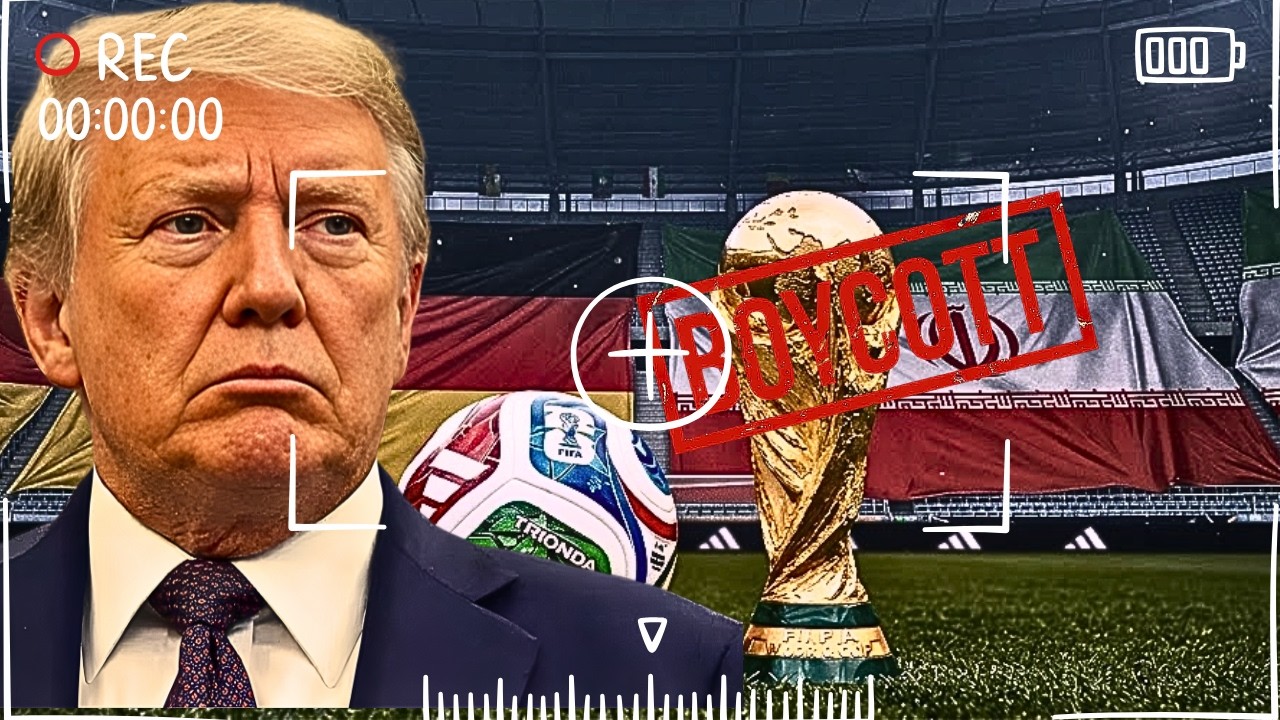
Iranian officials cited security concerns and ongoing hostilities as the primary reasons behind their decision. Statements from the country’s leadership emphasized the risks posed to players and staff, framing participation as untenable given current conditions. Yet the messaging has not been entirely consistent. While government representatives spoke of a definitive boycott, Iran’s national team suggested that no external authority could exclude them from a tournament they had rightfully qualified for.
This ambiguity has only deepened the uncertainty facing FIFA. Behind closed doors, officials are grappling with a series of logistical and ethical dilemmas. Should Iran formally withdraw, the governing body would need to consider replacement options, likely turning to another Asian team. Such a move, however, would disrupt not only the competitive structure but also the intricate web of commercial agreements tied to the tournament.
The stakes are immense. Nearly two million tickets have already been sold, with demand far exceeding supply. Broadcast contracts, sponsorship deals, and travel plans have been built around a fixed schedule announced months in advance. Any significant alteration risks cascading consequences, from financial losses to legal disputes. For an event of this magnitude, even minor adjustments can carry global repercussions.
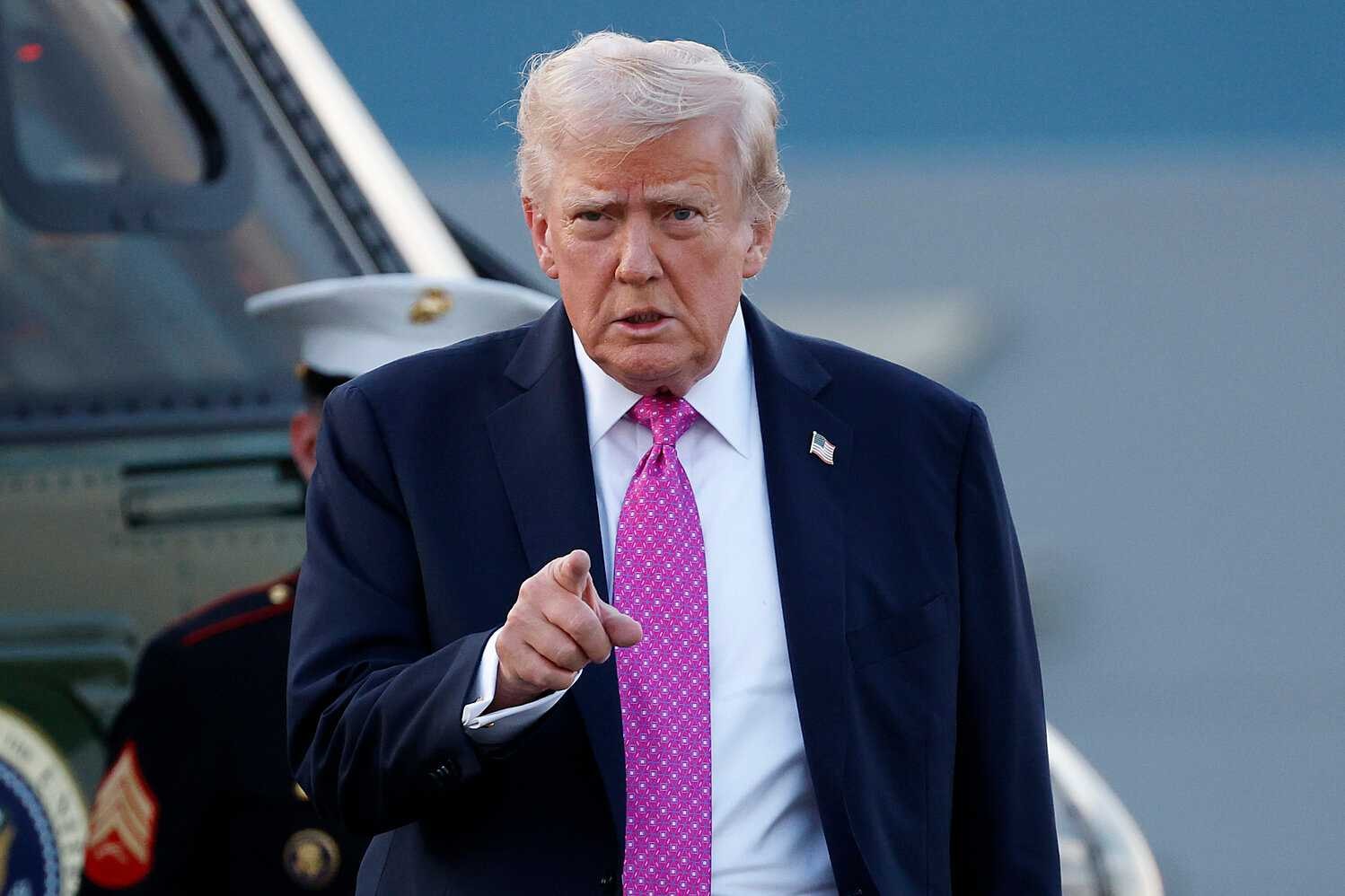
Complicating matters further are conflicting signals from political leaders. Donald Trump, who has publicly addressed the issue, has alternated between welcoming Iran’s participation and questioning whether it would be safe or appropriate. These mixed messages have done little to reassure either FIFA or the international community. Instead, they have amplified concerns about the ability of host nations to guarantee security for all participating teams.
The crisis has also prompted reactions across Europe. Joachim Löw, the former German national team manager, has voiced alarm over the broader implications of staging a global tournament amid active conflict. His remarks echo a growing unease within the football world, where calls for boycotts—once peripheral—are beginning to gain traction. Political figures in countries like Germany and the United Kingdom have raised the possibility of withdrawing their own teams, citing both moral and safety considerations.
Such developments threaten to transform a single-country dispute into a wider international standoff. If multiple nations were to reconsider their participation, the integrity of the tournament itself could come into question. The World Cup has historically served as a rare मंच for global unity, even during periods of political tension. Yet it has never been entirely insulated from geopolitics, and the current situation underscores just how fragile that separation can be.
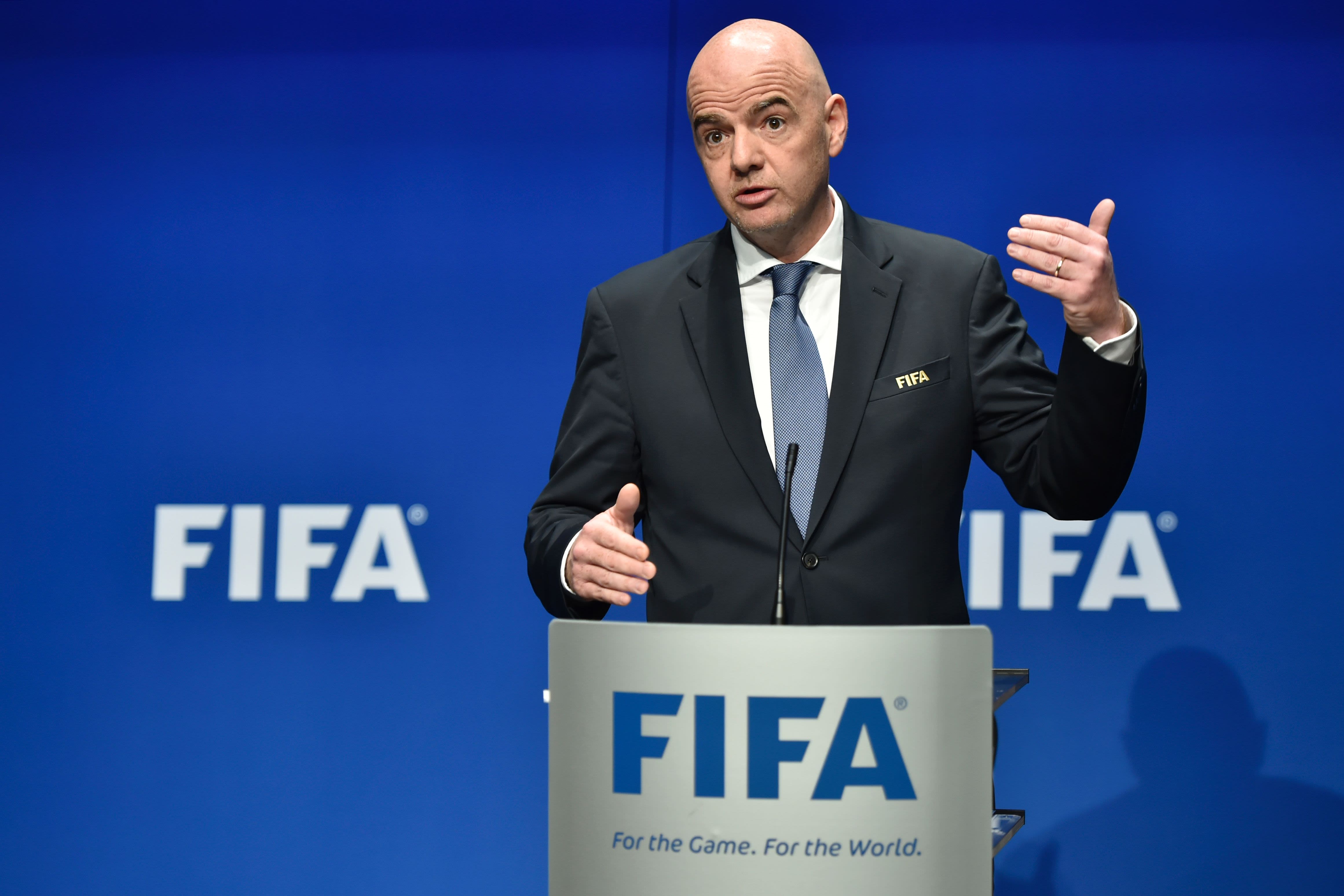
There are also practical concerns that extend beyond diplomacy. Iran’s scheduled matches, set to take place in major U.S. venues, are already embedded in ticketing systems and broadcast lineups. Relocating those games—an idea briefly floated by Iranian officials in discussions with Mexico—would require a level of coordination that FIFA appears unwilling to entertain. Early indications suggest that the organization intends to proceed with its original plans, despite mounting pressure.
For fans, the uncertainty is unsettling. Many have made costly travel arrangements, drawn by the promise of witnessing a historic tournament. Now, they are left to wonder whether the competition will unfold as planned, or whether last-minute changes will alter the experience in unforeseen ways.
Ultimately, FIFA faces a defining moment. Its response will not only determine the immediate fate of the 2026 World Cup but also shape the organization’s credibility in navigating future crises. The challenge lies in balancing the principles of inclusivity and neutrality against the realities of a world where sport cannot easily be separated from politics.
As the countdown to kickoff continues, one question looms above all others: can the world’s most celebrated sporting event proceed as a symbol of unity, or will it become yet another casualty of geopolitical division?






