A Heated Exchange in Parliament Highlights Britain’s Deepening Debate on Security, Identity and Speech
A recent exchange in the UK Parliament has drawn renewed attention to the country’s increasingly fraught debate over national security, social cohesion and the boundaries of political speech. The moment, captured in a widely circulated video, reflects not only disagreement between lawmakers but also a broader tension shaping public discourse across the United Kingdom.
The episode began during a statement by a shadow minister addressing threats to elected officials. In her remarks, she argued that while violence against politicians can arise from multiple sources, “the single biggest extremist threat” facing the country remains Islamist extremism. She went on to link this concern to what she described as the growth of “sectarian politics” and warned that certain government strategies aimed at promoting social cohesion might inadvertently suppress open discussion of sensitive issues.
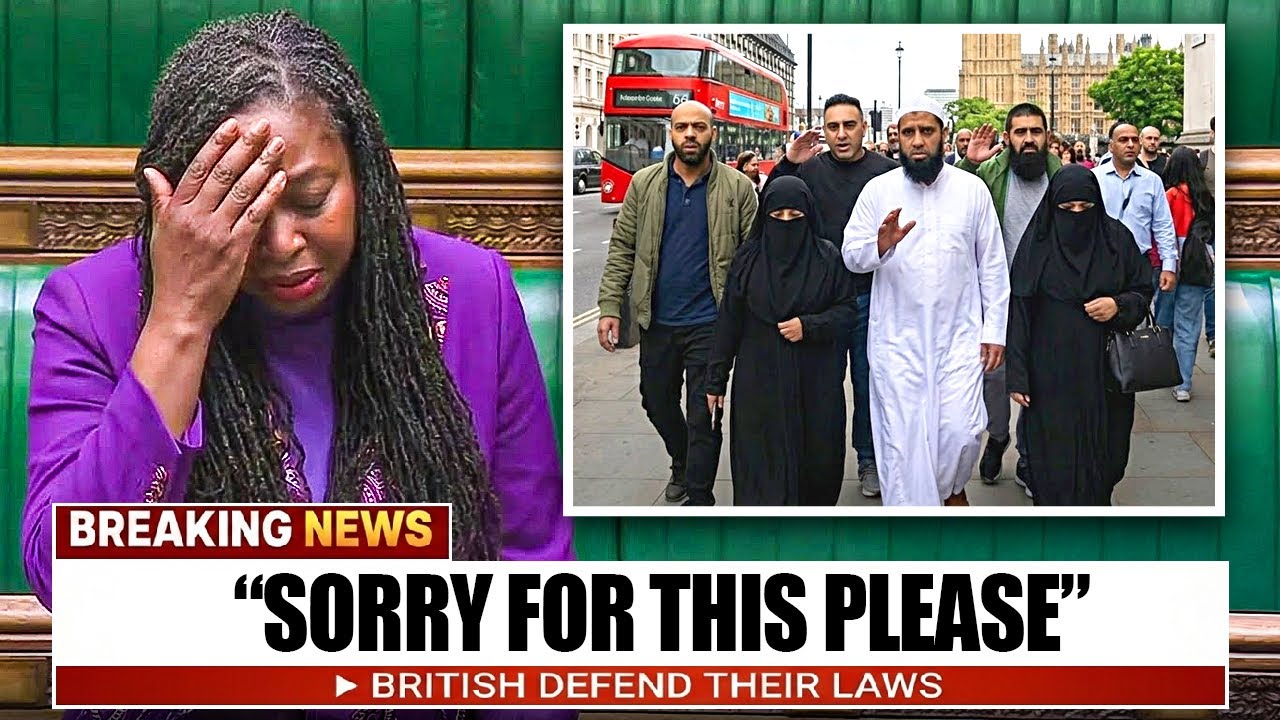
Her comments quickly provoked audible reactions from other members in the chamber. Though such interruptions are not uncommon in parliamentary proceedings, the exchange escalated when another lawmaker rose to challenge her framing. The responding MP contended that far-right extremism poses a greater threat than Islamist violence and criticized the tone of the earlier remarks, particularly given the timing during the Islamic holy month of Ramadan.
The sharp divergence in viewpoints underscores a central dilemma in British politics: how to address security risks without inflaming social divisions or marginalizing communities. Successive governments have struggled to strike this balance, particularly as concerns about extremism intersect with debates over immigration, integration and national identity.
Experts note that both Islamist and far-right extremism have been identified by security services as serious threats, though their relative scale and immediacy can fluctuate over time. Public statements emphasizing one over the other often become politically charged, especially in a polarized environment where language is closely scrutinized.

The shadow minister’s remarks also touched on another sensitive issue: the role of government policies in shaping public discourse. She criticized proposed guidelines intended to address Islamophobia, arguing that they could discourage candid discussion of issues such as forced marriage, female genital mutilation and organized exploitation. Supporters of such guidelines, however, maintain that they are necessary to protect minority communities from discrimination and harassment, and to ensure that public debate does not cross into prejudice.
This tension—between safeguarding free expression and preventing harm—has become a defining feature of political life in Britain. Critics on one side warn of a “chilling effect” that could limit honest debate, while others caution that unchecked rhetoric risks legitimizing hostility and undermining social cohesion.
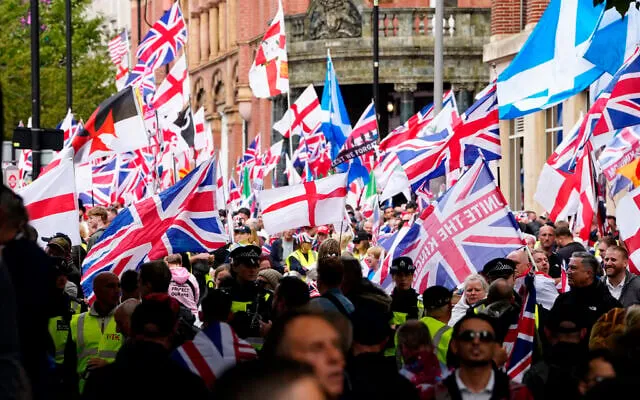
The parliamentary exchange also reflects a broader concern about public trust in institutions. Commentators have increasingly pointed to a perceived disconnect between elected officials and the electorate, a sentiment that has been amplified by low voter turnout in some elections and growing skepticism toward political elites. While the United Kingdom’s parliamentary system remains stable, such perceptions can influence how political debates are received outside Westminster.
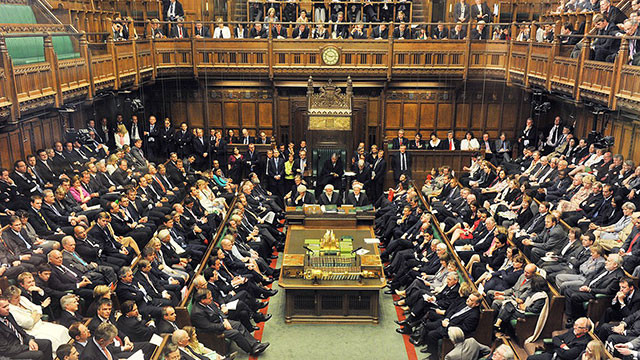
At the same time, the setting of the debate itself—the often sparsely populated chamber—has drawn criticism from viewers unfamiliar with parliamentary norms. In practice, much of the legislative work occurs in committees and offices, and attendance fluctuates depending on the issue at hand. Still, images of empty benches during contentious discussions can reinforce public perceptions of disengagement.
The exchange has since circulated widely online, where it has been interpreted through sharply different lenses. Some viewers see the shadow minister’s comments as a necessary acknowledgment of security concerns, while others view them as divisive and potentially harmful. Similarly, the response emphasizing the threat of far-right extremism has been praised by some as a corrective and criticized by others as dismissive.
What emerges from this moment is less a clear resolution than a snapshot of a country grappling with complex and interrelated challenges. Questions about security, identity and free speech are unlikely to be settled by a single debate. Instead, they continue to evolve within a রাজনৈতিক landscape where competing priorities and perspectives coexist uneasily.
As Britain moves forward, the ability of its राजनीतिक leaders to navigate these tensions—without deepening divisions—may prove critical. The exchange in Parliament, while brief, offers a revealing glimpse into the stakes of that ongoing effort.






