A Tense Hearing on Epstein Files Exposes Deep Fault Lines in Washington
WASHINGTON — The hearing room was already tense when the questioning began, but within minutes it had turned into something else entirely: a raw display of political conflict, moral accusation and institutional mistrust that now surrounds the unresolved legacy of Jeffrey Epstein.
What was supposed to be a routine congressional oversight session with the attorney general quickly became a confrontation over power, accountability and the limits of justice when it touches the political elite.
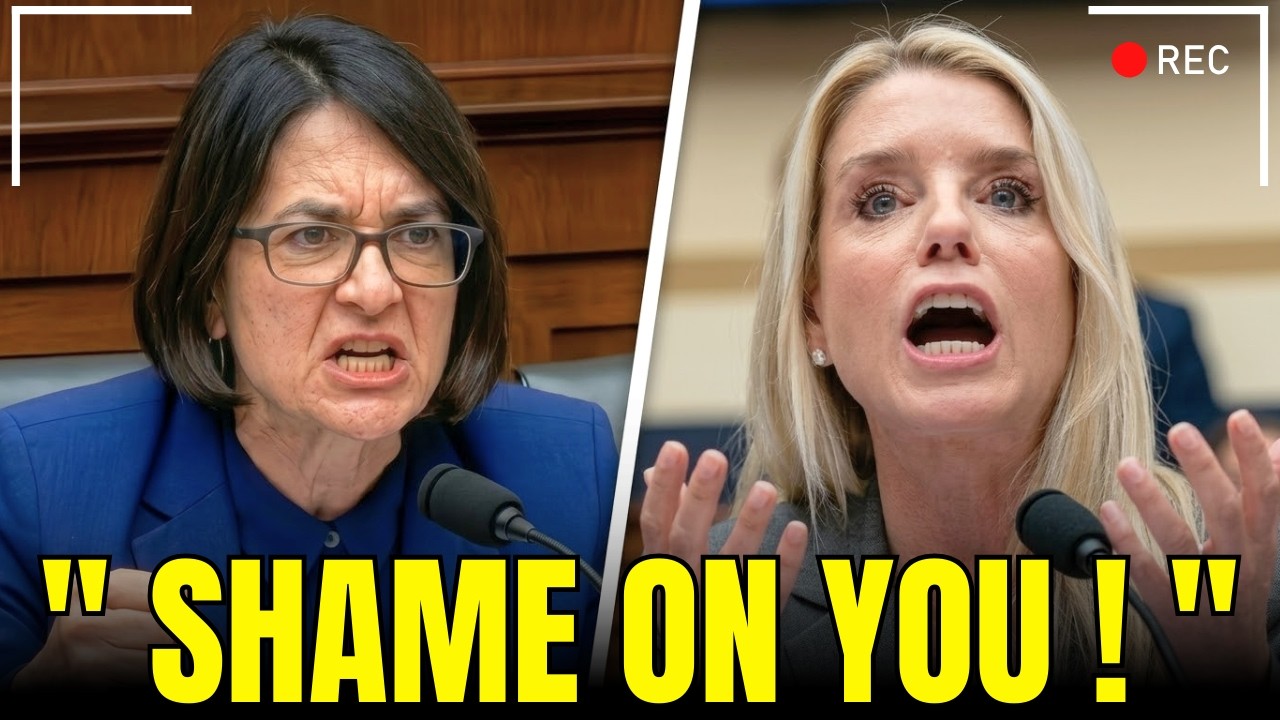
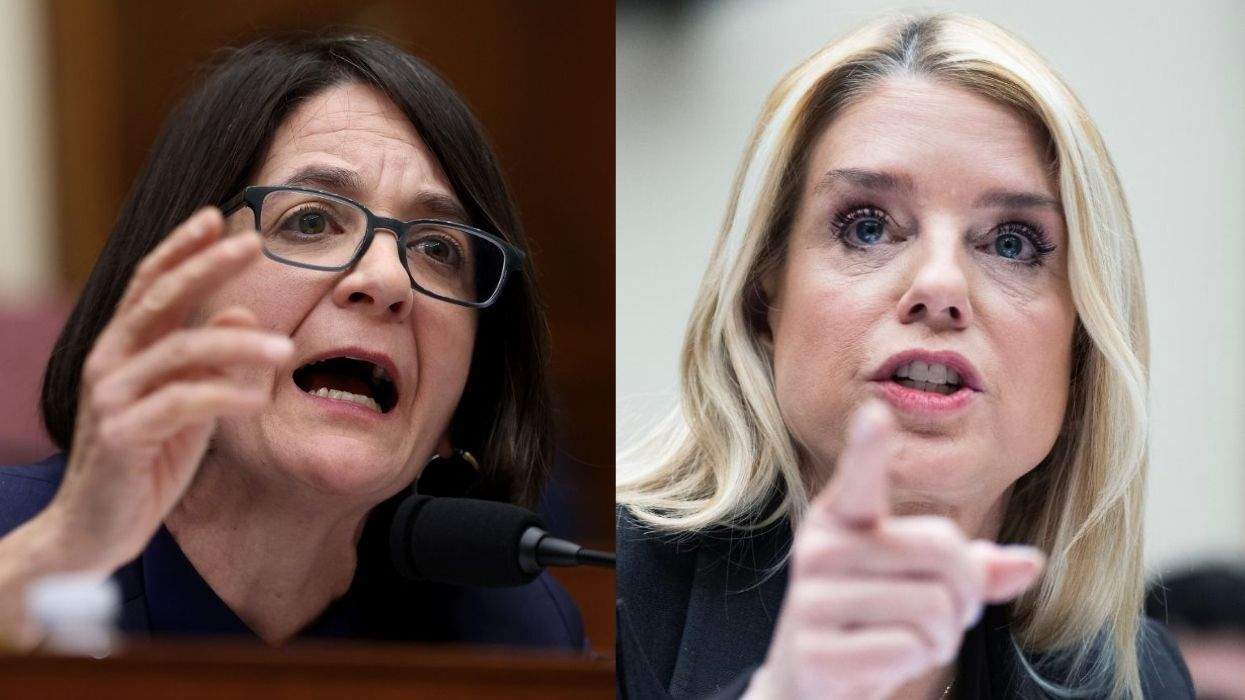
At the center of the clash was a line of questioning from Representative Becca Balint of Vermont, who pressed Attorney General Pam Bondi on a blunt issue: whether the Justice Department had questioned senior administration officials about their documented ties to Epstein.
Balint’s questions were simple and direct. Had the Justice Department asked Commerce Secretary Howard Lutnick about his relationship with Epstein? Had officials questioned Navy Secretary John Phelan? Had Deputy Defense Secretary Steven Feinberg been interviewed about his connections?
Again and again, the congresswoman tried to reduce the matter to a yes-or-no answer.
Again and again, the response from the attorney general avoided it.
“He has addressed those ties himself,” Bondi said at one point when asked about Lutnick.
For Balint, that answer was not sufficient.
The files connected to Epstein — many of which remain partially redacted — have become a symbol for Americans who believe the justice system treats powerful people differently from ordinary citizens. The congresswoman framed her questioning around that concern, invoking statistics that a child is sexually abused in the United States every nine minutes and noting how rarely survivors see justice.
“The American people have a right to know the answers,” Balint said during the hearing. “These are senior officials in the Trump administration. This is not a game.”
The hearing’s tone deteriorated further when Bondi attempted to shift the conversation away from Epstein and toward political accusations. At one point she referenced a congressional vote involving antisemitism and suggested that Balint had opposed it.
The exchange instantly inflamed the room.
Balint, who is Jewish and whose grandfather survived the Holocaust, fired back sharply, accusing the attorney general of using the charge as a deflection tactic rather than addressing the questions being asked.
“Are you serious?” she said, her voice rising. “Talking about antisemitism to a woman who lost her grandfather in the Holocaust.”
For several moments the hearing descended into overlapping voices as the committee chair attempted to restore order.
Behind the confrontation was a deeper dispute about the still-unsettled record surrounding Epstein, the financier who died in federal custody in 2019 while awaiting trial on sex-trafficking charges. For years, survivors and advocates have argued that the network of powerful associates around Epstein was never fully investigated.
That frustration has resurfaced repeatedly whenever new documents, court filings or witness accounts emerge.
Balint’s questioning drew particular attention to Lutnick, who previously told Congress that his last contact with Epstein occurred in 2005. Critics say documents in the Epstein files suggest he visited Epstein’s private island years later, in 2012.
If accurate, that discrepancy would raise questions about whether Congress was misled — and why investigators have not pressed the matter further.
Bondi, however, showed little interest in pursuing that line of inquiry publicly.
Instead she emphasized that individuals mentioned in the Epstein files had already addressed their connections.
To critics, that explanation underscored precisely the concern driving the hearing: that powerful figures can resolve such questions through statements rather than formal scrutiny.
The political temperature rose even higher after the hearing when some lawmakers suggested the Justice Department had closely monitored which documents members of Congress reviewed while examining Epstein materials. The department has not publicly confirmed those allegations, but the suggestion alone stirred outrage among several legislators, who described it as an intrusion on congressional independence.
Even some Republican leaders signaled discomfort with how the confrontation unfolded.
House Speaker Mike Johnson later described aspects of the exchange as “inappropriate,” an unusually blunt critique in a deeply polarized political climate.
Yet the most striking element of the hearing may have been what occurred quietly in the background.
Several survivors of Epstein’s trafficking operation were seated in the room, listening as lawmakers argued over procedure, politics and accusations.
Near the end of her questioning, Balint made a final appeal to the attorney general.
“Meet with the survivors,” she said. “They have been asking for a year.”
Bondi did not directly respond to that request before the congresswoman’s time expired.
The survivors eventually left the room without the meeting they had hoped for — and without the answers they had come to hear.
For many Americans following the hearing, the moment seemed to capture a broader frustration with Washington itself: a system capable of endless argument, yet often unable to deliver the clarity or accountability that victims seek.
And in the long shadow of the Epstein scandal, that gap continues to widen.






