At the Correspondents’ Dinner, Satire Became a Political Turning Point
WASHINGTON — There are moments in political life when the tone of a room shifts so subtly that the transformation is almost imperceptible until it is complete. The 2011 White House Correspondents’ Dinner, held in the cavernous ballroom of the Washington Hilton, was one such moment. What began as a routine evening of jokes and polite laughter gradually evolved into something more enduring: a cultural snapshot of the collision between politics, media, and celebrity.
In the weeks leading up to the dinner, Donald Trump had become one of the most visible figures in American public life. The real estate mogul and reality television personality had launched a widely publicized campaign questioning the birthplace of President Barack Obama. Appearing frequently on television, Trump promoted the so-called “birther” theory, suggesting that the president had not been born in the United States and therefore was not eligible to hold office.

The claims drew criticism from across the political spectrum, but they also elevated Trump’s profile. By the time the correspondents’ dinner arrived that April evening, he had become a focal point of national attention.
The event itself is a peculiar Washington tradition. Each year, journalists, entertainers, politicians, and business leaders gather for an evening that blends ceremony with satire. Presidents traditionally deliver remarks that poke fun at themselves and at the press corps covering them. The tone is meant to be playful rather than combative.
That year, however, the atmosphere carried an undercurrent of anticipation.
Trump sat near the center of the ballroom, surrounded by cameras and reporters who understood that his presence alone had turned the evening into a spectacle. Television broadcasts periodically cut to his table as the program unfolded, capturing the reactions of one of the night’s most talked-about guests.
When President Obama stepped to the podium, he did not address the controversy with visible frustration. Instead, he approached it through humor.
“No one is happier,” Obama began with careful comedic timing, “no one is prouder to put this birth certificate matter to rest than The Donald.”
The line drew laughter from the audience. Obama then continued, suggesting that Trump could now return to more pressing questions — mysteries such as the authenticity of the moon landing or the secrets of Roswell.
The jokes were pointed but delivered calmly, almost conversationally. Rather than confronting Trump directly, Obama placed him within the structure of a comedic narrative.
The audience responded with waves of laughter.
Throughout the monologue, cameras occasionally returned to Trump’s table. His expression remained largely fixed as the jokes continued. Obama broadened the routine, shifting from the birth certificate controversy to Trump’s role on the reality television program “The Celebrity Apprentice.”
“These are the kinds of decisions that would keep me up at night,” Obama quipped, referring to the dramatic boardroom showdowns featured on the program.
Again, the ballroom erupted in laughter.
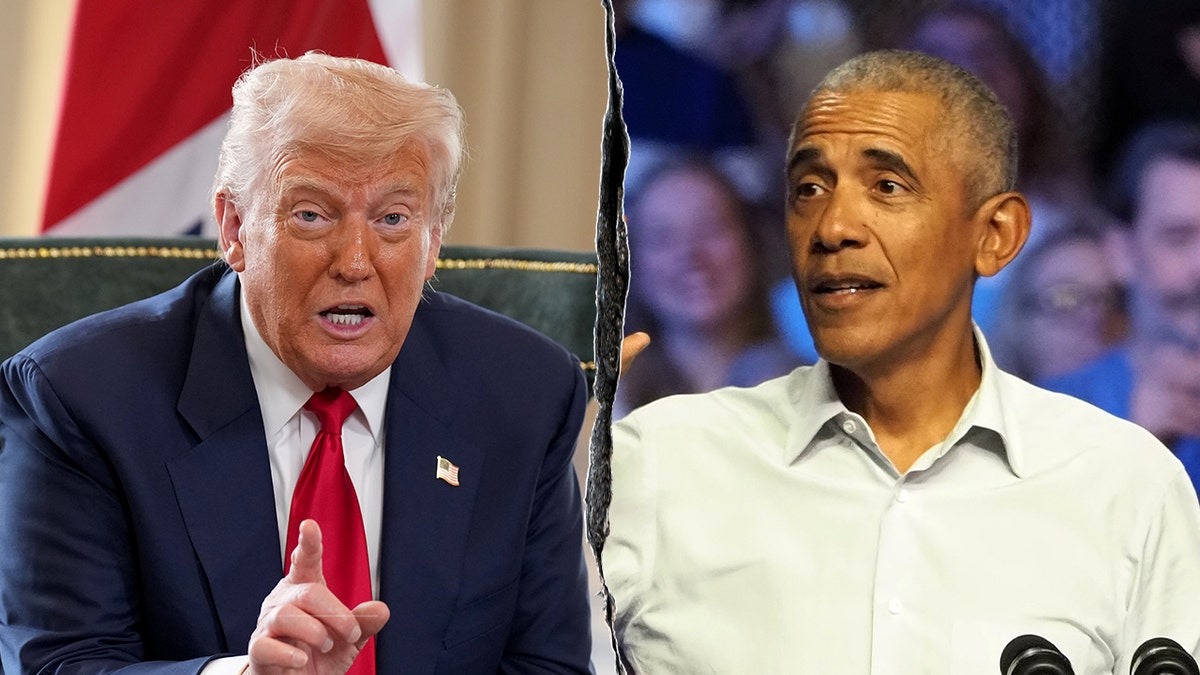
The contrast between the responsibilities of the presidency and the theatrics of reality television became the central theme of the segment. Obama did not raise his voice, nor did he appear defensive. The humor worked precisely because of its restraint.
In Washington, satire has long served as a subtle instrument of political messaging. Presidents from John F. Kennedy to George W. Bush used the correspondents’ dinner to display self-deprecation and charm. Yet Obama’s performance that evening carried a sharper edge, reflecting the unusual nature of the dispute that had preceded it.
For many observers, the moment represented more than a clever set of jokes. It illustrated the widening intersection between entertainment culture and American politics. Trump himself embodied that intersection — a businessman whose fame had been amplified through television, tabloid headlines, and carefully cultivated media appearances.
Obama’s remarks turned that dynamic back on itself.
By placing Trump at the center of the joke, the president reframed the controversy that had dominated weeks of news coverage. The speech shifted the conversation from conspiracy theories to comedy, altering the narrative in real time.
In the years that followed, the scene would be replayed repeatedly on television and across social media. Commentators debated its meaning and significance. Some viewed it as one of the sharpest displays of political humor in modern memory. Others saw it as a symbol of the increasingly theatrical nature of public discourse.
What remains undeniable is the effect the moment had on the room that night.
Laughter replaced tension. The spectacle of confrontation gave way to the quieter power of satire.
Political strength, after all, can manifest in many forms. Sometimes it appears in legislative victories or formal speeches. At other times it emerges in the ability to hold the attention of a crowded ballroom — and, for a few carefully timed minutes, reshape the narrative through wit alone.
On that spring evening in Washington, humor proved to be more than entertainment. It became a reminder that in public life, composure and confidence can carry their own unmistakable authority.






