In a charged session of Prime Minister’s Questions, Keir Starmer, the British prime minister, engaged in a sharp exchange with Lee Anderson, the Reform UK MP and chief whip, over delayed local elections and government spending priorities. The confrontation, which unfolded in the House of Commons, highlighted deepening tensions between Labour’s governing agenda and the insurgent right-wing party led by Nigel Farage.
Anderson, representing Ashfield and known for his blunt style since defecting from the Conservatives in 2024, opened by accusing the Labour front bench of engaging in “dog-whistle politics” while Reform councils focused on practical governance. He cited savings of more than £330 million identified by Reform-led local authorities in their first six months, contrasting that record with what he portrayed as Labour’s evasiveness.

The Reform MP then pressed Starmer directly on electoral timing. Several local elections scheduled for earlier in the year had been postponed amid a government review of local government boundaries and structures, a decision Reform criticized as politically motivated to hinder their growing momentum in council seats. Anderson demanded assurances that all canceled ballots from the current cycle, along with those proposed for the following year, would proceed as planned in May 2026.
“Will he guarantee, will he ensure that all the cancelled elections from this year and the proposed local elections for next year will go ahead in May 2026?” Anderson asked, his tone rising. “Go on, be a man.”
The challenge drew laughter and jeers from Labour benches, with some MPs openly mocking the phrasing. Starmer responded dismissively, quipping that he “didn’t realize he was quite so good at stand-up comedy.” The prime minister defended the postponements as necessary administrative steps to ensure fairer boundaries and efficient services, rather than partisan maneuvering. He insisted his government had a “concrete plan” for economic stability, public service reform and fiscal responsibility, rejecting Anderson’s implication of wasteful taxpayer spending.
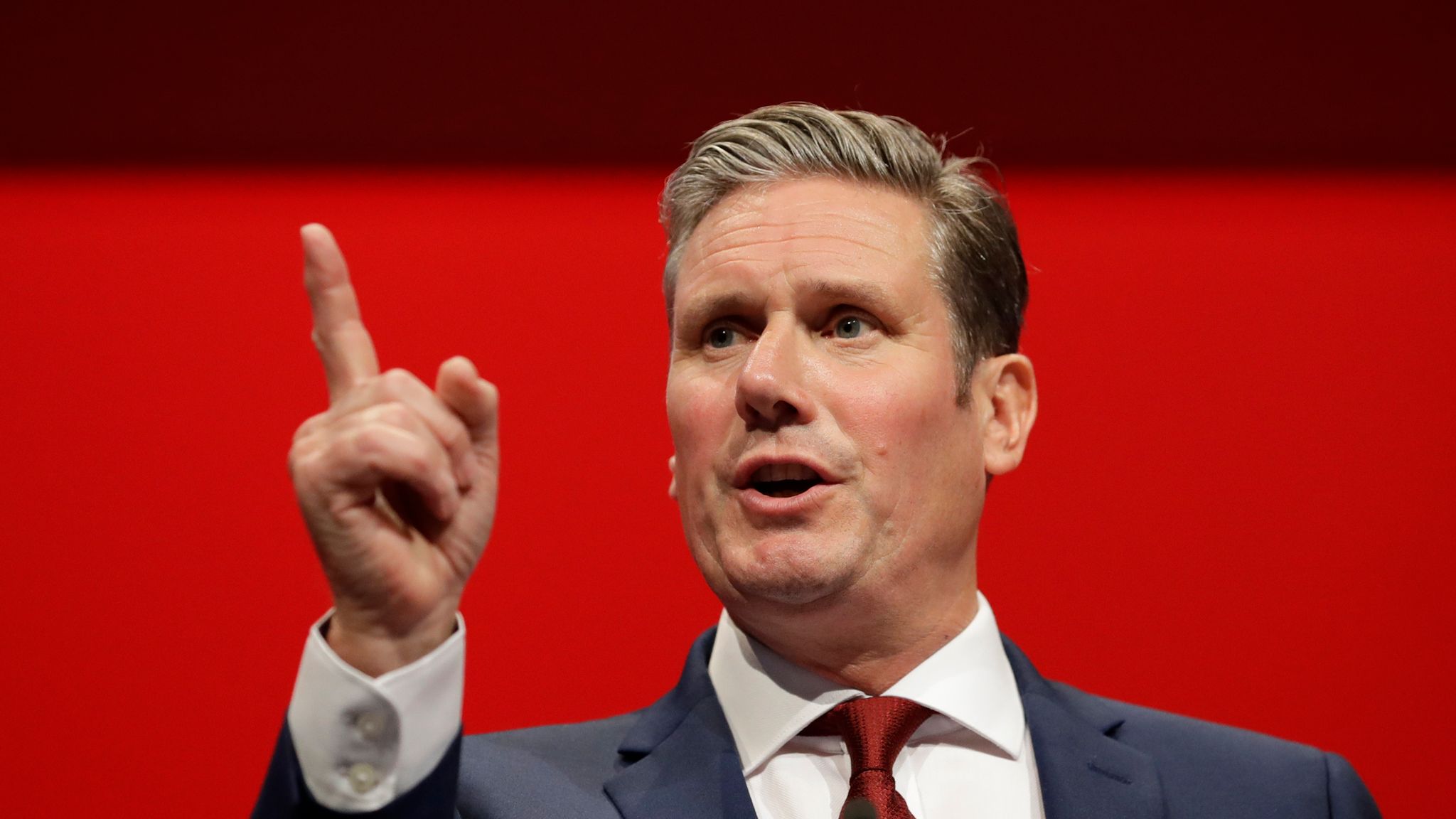
The exchange quickly escalated into a broader war of words. Anderson accused Starmer of dodging accountability on core issues affecting ordinary voters, including high streets struggling under business rates and energy costs. Starmer countered by highlighting Reform’s limited track record — the party holds only a handful of council seats — and suggested Anderson’s interventions were more theatrical than substantive. Speaker Sir Lindsay Hoyle intervened at points to restore order amid rising noise from both sides.
The clash reflected Reform UK’s strategy to position itself as the authentic voice of frustrated voters disillusioned with the main parties. Since gaining ground in recent by-elections and local contests, Reform has targeted traditional Labour and Conservative heartlands with messages on immigration, net-zero policies and public spending. Anderson’s question tapped into grievances over perceived gerrymandering through boundary changes, a sensitive topic as the government seeks to implement long-delayed reforms.
Labour sources dismissed the confrontation as opportunistic grandstanding, noting that Reform’s council “savings” claims remain under scrutiny and that local elections must balance democratic participation with administrative necessity. Opposition figures, including Conservative leader Kemi Badenoch in separate exchanges, have similarly pressed Starmer on fiscal transparency, though Reform’s outsider status allows it to adopt a more confrontational posture without the constraints of official opposition responsibilities.
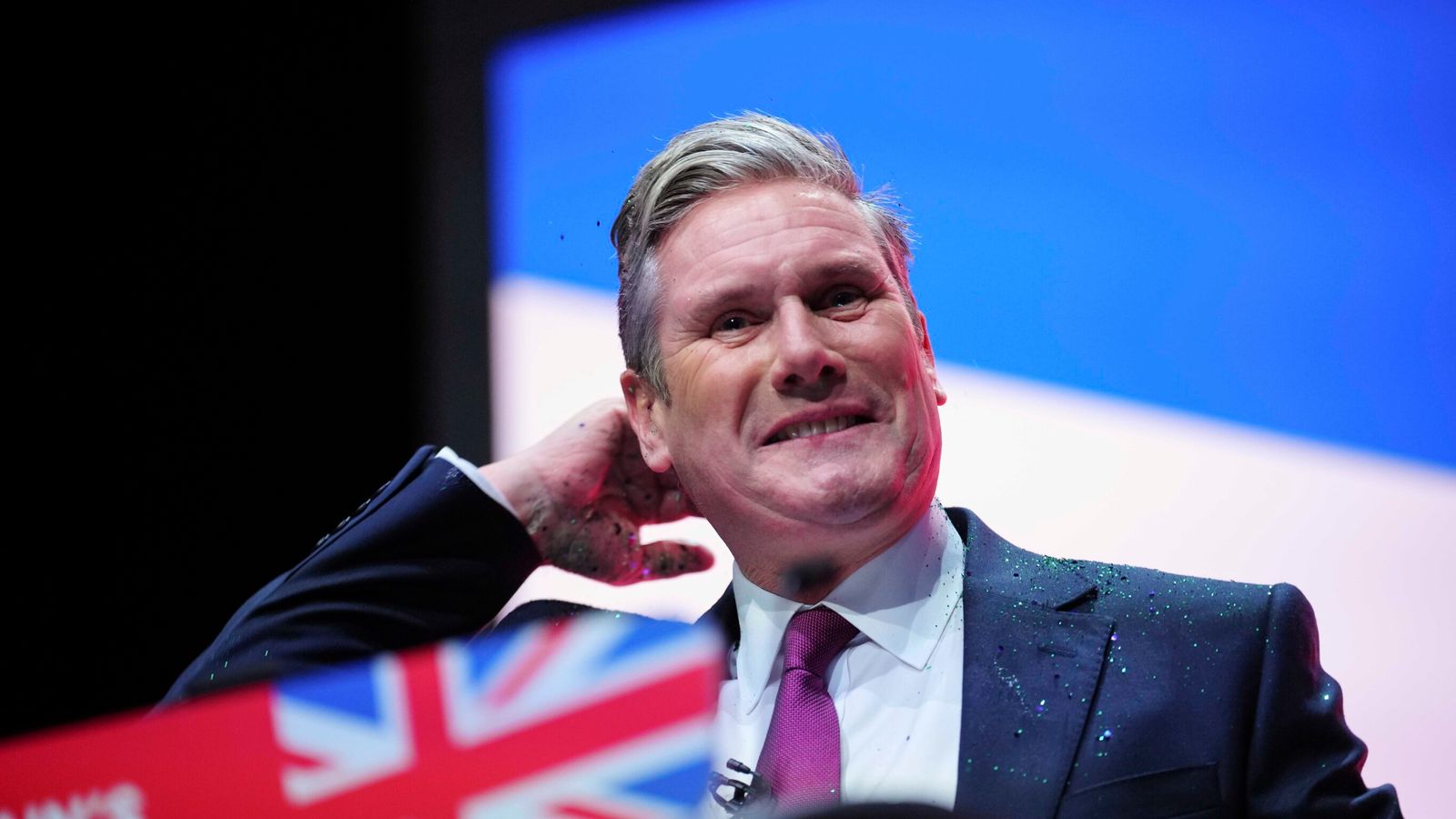
The session underscored the volatile political atmosphere less than two years into Starmer’s premiership. With midterm pressures mounting — including economic headwinds, public sector pay disputes and lingering questions over public trust — PMQs has become a key arena for testing government resilience. Reform’s growing parliamentary presence, albeit small, amplifies its ability to disrupt proceedings and force responses on niche but resonant issues.
Analysts view the exchange as emblematic of broader shifts. Reform’s rise challenges Labour’s hold on working-class constituencies and pressures Conservatives to reclaim right-leaning voters. For Starmer, navigating such attacks while maintaining governing credibility remains central to his strategy ahead of future electoral tests.
As clips of the “be a man” moment spread rapidly online, dividing opinion between those who saw Anderson’s directness as refreshing and others who viewed it as crude provocation, the incident illustrated how quickly parliamentary sparring can dominate public discourse in Britain’s polarized climate.






