Closing Arguments Conclude in E. Jean Carroll Defamation Trial Against Donald Trump
NEW YORK — The civil defamation trial involving writer E. Jean Carroll and former president Donald Trump reached its final stage as attorneys delivered closing arguments focused on a central question for jurors: what consequences, if any, should follow repeated public statements about Carroll after earlier court findings.

Carroll’s attorney, Roberta Kaplan, argued that Trump continued to repeat statements about Carroll even during the course of the trial itself. According to court reports, Kaplan told jurors the case concerned not only past statements but also what she described as a pattern of ongoing remarks that Carroll’s legal team says were defamatory.
During the proceedings, Trump briefly left the courtroom while Kaplan was presenting her closing argument. The presiding judge, Lewis Kaplan, noted the incident in the official court record before the trial continued.
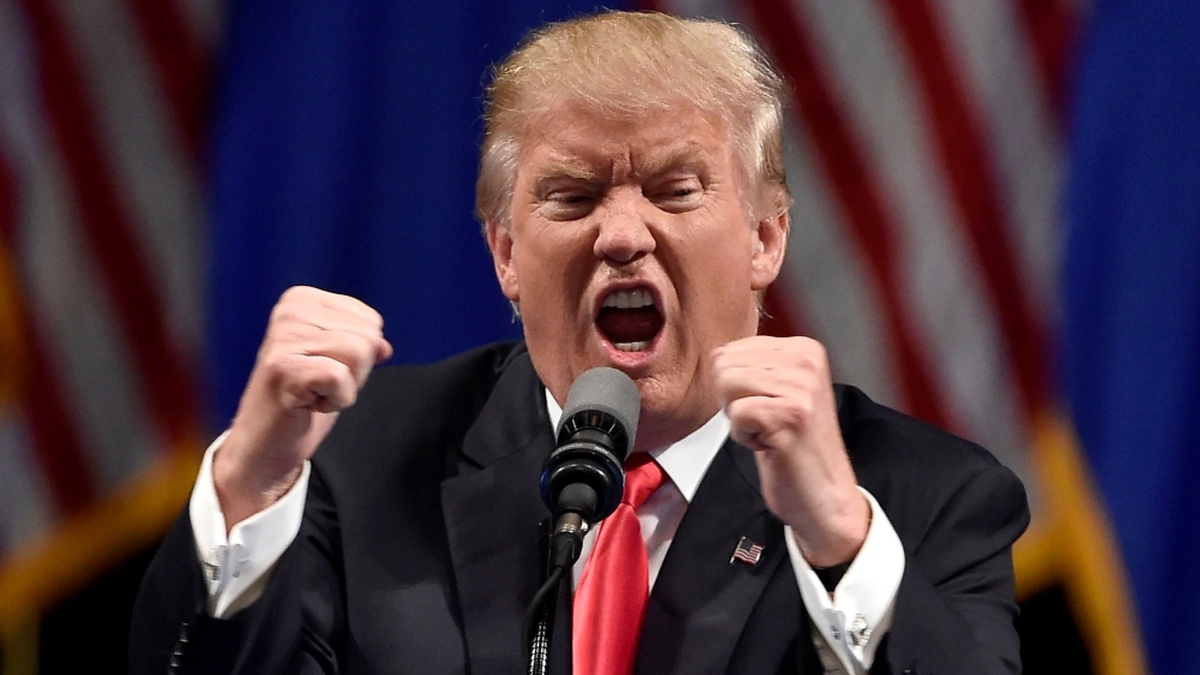
Kaplan told jurors that Trump’s continued comments about Carroll demonstrated why damages were necessary. The lawsuit stems from public statements Trump made after Carroll accused him of sexual assault, allegations he has consistently denied. Earlier rulings in related litigation established liability for sexual assault and defamation, leaving the jury in this phase of the case to consider damages.
Trump returned to the courtroom for the closing argument delivered by his attorney, Alina Habba. Habba challenged Carroll’s claims and questioned the credibility of her account, arguing that Trump had continued to deny the allegations because he believed them to be untrue.
At several points during Habba’s presentation, Judge Kaplan intervened, cautioning the defense about statements that appeared to conflict with prior rulings in the case. When Habba suggested Carroll’s allegations were unfounded, the judge reminded the courtroom that the issue of whether Trump had sexually assaulted Carroll had already been determined in earlier proceedings.

The judge also warned defense counsel about language used in argument that could contradict established findings of fact. At one point, he told Habba not to dispute conclusions that had already been legally resolved by the court.
Beyond the immediate defamation dispute, the case has unfolded alongside a series of other legal battles involving Trump. In separate litigation, including a civil fraud case in New York overseen by Arthur Engoron, courts have examined financial records and sworn testimony connected to Trump’s business practices.
Engoron’s ruling in that case found that financial statements used by the Trump Organization had contained significant inaccuracies. The judge wrote that the evidence demonstrated persistent inflation of asset values and rejected arguments that disclaimers on the documents shielded the statements from scrutiny.
As the Carroll trial concluded, the decision now rests with the jury, which must determine what financial damages, if any, Trump should pay. The outcome will add another chapter to the series of high-profile legal proceedings involving the former president and may influence how courts evaluate statements made during ongoing public disputes.






