Rising Middle East Tensions Stir Debate in Washington as Evacuation Warnings and Economic Ripples Spread
WASHINGTON — As tensions escalate across parts of the Middle East following a series of military strikes and retaliatory actions, the United States is facing growing scrutiny over its preparedness to protect American citizens abroad and its broader strategy in the region.
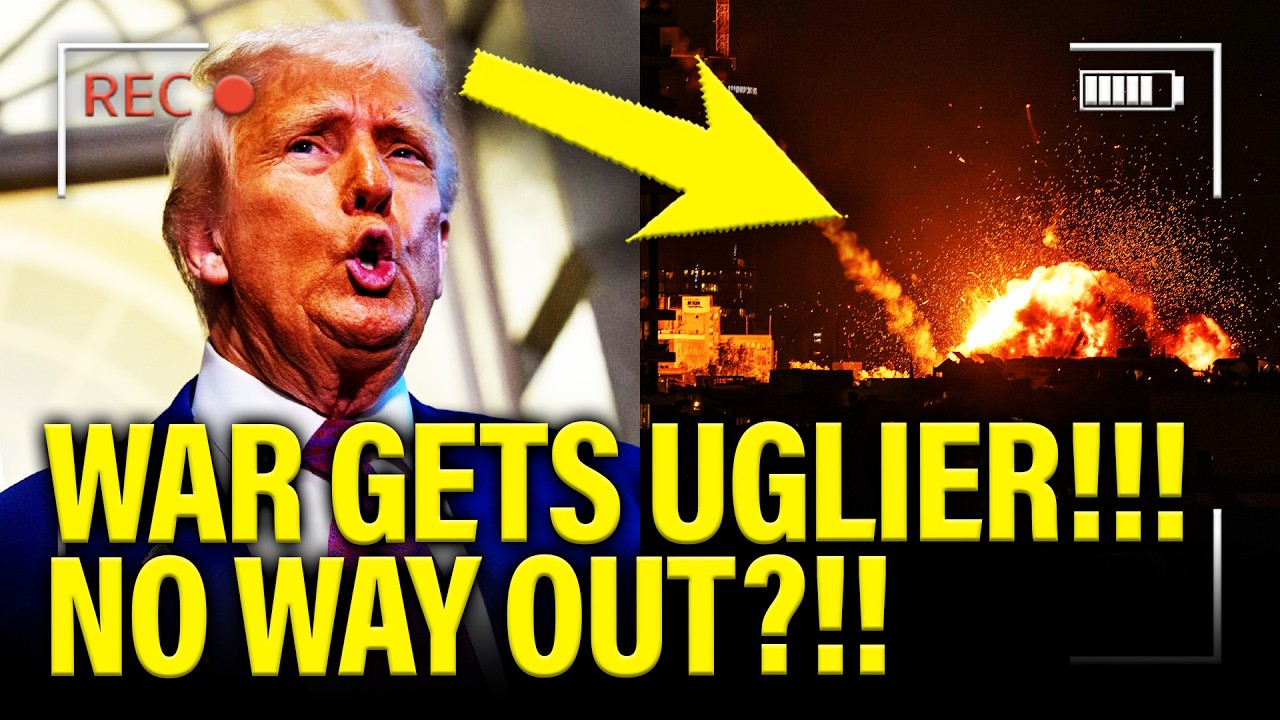
Recent security notices issued by U.S. embassies across several Middle Eastern countries have urged American citizens to remain alert and to make personal security plans should conditions deteriorate further. In at least one advisory, officials warned that embassy resources might be limited in assisting private citizens seeking to depart quickly if commercial travel options become restricted.
The guidance has raised concerns among some lawmakers and analysts about contingency planning in the event that the conflict widens. Although such advisories are common during periods of instability, critics argue that the warnings highlight the difficulty of evacuating civilians once regional airspace or major transportation routes become disrupted.
“Embassy alerts often serve as early signals that governments are monitoring rapidly changing security conditions,” said a former State Department official who worked on crisis response planning. “But they also remind Americans abroad that, in many situations, individuals must act quickly to secure their own travel before evacuation becomes complicated.”
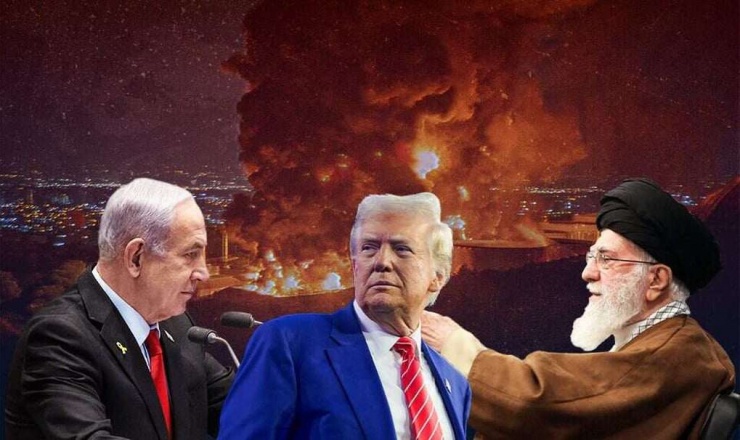
The developments come amid reports of drone and missile strikes affecting infrastructure and shipping routes across parts of the region. Several Gulf nations have heightened security around ports, energy facilities and military bases following incidents involving unmanned aerial vehicles targeting strategic sites.
While details surrounding some of the attacks remain under investigation, analysts say that disruptions to energy infrastructure and transportation corridors could have far-reaching economic consequences. Oil markets, which react quickly to geopolitical instability in the Middle East, have already shown signs of volatility as traders weigh the possibility of prolonged disruptions to supply routes.
The Strait of Hormuz — a narrow waterway through which roughly a fifth of the world’s oil supply passes — has once again become a focal point of concern. Any sustained interruption to shipping traffic through the strait could affect energy prices globally, with ripple effects for inflation and economic growth.
Financial markets have also reacted cautiously to the evolving situation. Major indexes fluctuated as investors assessed the potential economic fallout of an expanding conflict, while energy stocks and commodities experienced sharp movements tied to expectations about future oil supply.
In Washington, the events have triggered a renewed debate over the legal and strategic framework guiding U.S. military actions abroad. Several lawmakers have called for Congress to review whether additional authorization should be required if operations continue or expand.
The discussion centers in part on the War Powers Resolution, a federal law designed to limit the president’s ability to commit U.S. forces to prolonged military engagements without congressional approval. While presidents from both parties have historically interpreted the law broadly, critics argue that major military actions require clearer legislative oversight.
During a recent hearing on Capitol Hill, senators questioned defense officials about the objectives and potential duration of the current military campaign. Lawmakers pressed for clarity on whether the operation could lead to deeper involvement in regional conflicts or whether it is intended as a limited strategic response.
Some analysts warn that miscalculations could further inflame tensions in an already volatile region. Iran, which maintains influence through networks of allied groups across several Middle Eastern countries, has demonstrated its ability to retaliate through a combination of conventional and asymmetric tactics.
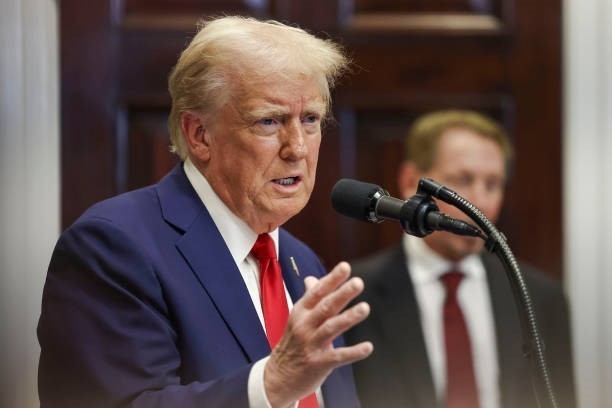
“These situations are rarely contained to a single incident,” said a security researcher specializing in Middle East geopolitics. “When multiple actors are involved — national militaries, proxy groups and regional alliances — escalation can occur quickly and unpredictably.”
At the same time, humanitarian organizations have expressed concern about the impact of continued military activity on civilians. International law and diplomatic norms emphasize the protection of noncombatants during armed conflict, but dense urban environments and complex battlefields can make such protections difficult to guarantee.
For many Americans living or working abroad in the region, the immediate concern is practical rather than political. Embassy alerts urging vigilance and contingency planning have prompted some citizens to seek earlier commercial flights out of affected areas, while others are monitoring developments closely before deciding whether to leave.
Diplomats note that embassy warnings are intended to provide information rather than predict outcomes. Yet they acknowledge that the pace of events has placed governments around the world on alert.
As the situation continues to evolve, policymakers face the challenge of balancing military strategy, diplomatic engagement and the protection of civilians — both American and foreign — caught in the widening shadow of conflict.
Whether the current tensions lead to a broader regional crisis or gradually de-escalate through diplomatic channels remains uncertain. But the latest developments underscore a recurring reality of Middle East geopolitics: even limited confrontations can quickly send shock waves through global markets, international alliances and domestic political debates in Washington.






