In a striking display of strained alliances amid the escalating war with Iran, President Donald Trump has faced widespread rejection from NATO partners and other key allies after urgently calling for their warships to help secure the **Strait of Hormuz**, the vital chokepoint through which roughly 20 percent of the world’s oil normally flows.
The refusals, delivered bluntly in public statements from capitals across Europe, Asia and beyond, have left the United States largely isolated in its push to reopen the waterway, now effectively blocked by Iranian threats, drone strikes and naval mines since early March 2026. Oil prices have surged toward $100 a barrel, driving U.S. gasoline costs up by nearly 50 cents a gallon in recent weeks and prompting the International Energy Agency to release 400 million barrels from strategic reserves — a measure typically reserved for dire global crises.
The crisis traces back to February 28, when joint U.S.-Israeli airstrikes, dubbed Operation Epic Fury, targeted Iranian military sites, nuclear facilities and leadership, killing Supreme Leader Ali Khamenei and sparking a rapid shift toward regime-change objectives. The attacks killed hundreds in Iran, displaced millions and triggered fierce Iranian retaliation: missile barrages on Israel, Gulf states and even Dubai International Airport, alongside strikes on oil terminals like Fujairah in the United Arab Emirates.

Iran’s Islamic Revolutionary Guard Corps declared the strait closed to vessels linked to its adversaries, halting most tanker traffic and sending shock waves through global energy markets. Shipping firms rerouted voyages, war-risk insurance premiums skyrocketed, and the U.S. Navy has reportedly declined routine escort requests from commercial operators due to the heightened dangers.
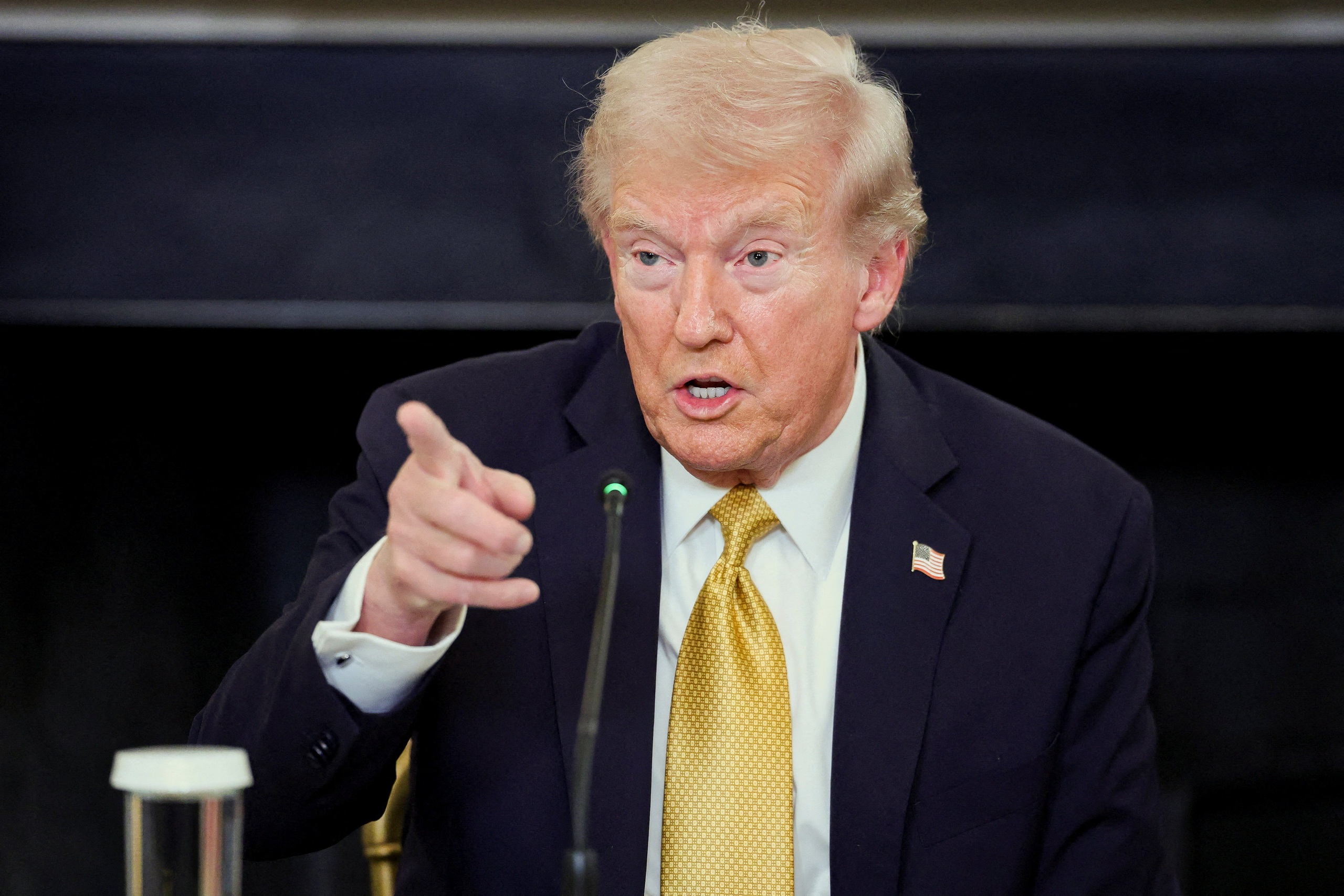
Trump, speaking aboard Air Force One and on Truth Social, demanded that nations including Britain, France, Germany, Japan, South Korea and even China deploy warships to protect shipping lanes — lanes he described as more critical to their economies than America’s. “I’m demanding that these countries come in and protect their own territory,” he said, adding a pointed warning: “We will remember” any lack of support. In interviews, he suggested NATO’s future could be grim if allies failed to act.
The responses were swift and unyielding. Germany’s Defense Minister Boris Pistorius declared, “This is not our war. We didn’t start it.” France signaled it would not participate in forcible reopening efforts amid active combat. Italy, Spain, Greece and others echoed similar refusals. Japan cited constitutional limits on military action abroad, while Australia and New Zealand indicated no plans to deploy forces. The European Union declined to extend its existing naval operation to cover the strait.
Analysts and former officials point to deeper fractures. The U.S. and Israel launched the strikes without prior consultation with many allies, who were reportedly told their involvement was neither sought nor required. Combined with longstanding grievances — including tariffs, public criticisms of European defense spending and perceived transactional demands — the episode has eroded trust built over decades.
Edward Fishman of the Council on Foreign Relations noted that allies facing economic pressures from U.S. policies now hesitate to risk sailors in a conflict they did not help initiate. “If the tables were turned, expectations of reciprocity would be high,” he observed.
The rebuffs highlight a broader erosion of American leadership in alliances. NATO, forged in the aftermath of World War II and sustained through the Cold War and post-9/11 missions, relies on mutual consultation and shared burdens. Public threats from the White House — including hints of consequences for non-cooperation — risk accelerating doubts in Berlin, Tokyo and Canberra about the alliance’s value.
Adversaries appear to take note. Russian officials have mocked Europe’s supposed dependence on Washington, while China advocates de-escalation without committing forces.
Domestically, the fallout hits American wallets hard. With Brent crude elevated and supplies constricted, economists warn that prolonged closure could push prices beyond $140 a barrel, potentially stalling growth and inflicting trillions in global losses. The IEA’s reserve release offers temporary relief, but experts stress that only reopening the strait — through diplomacy or military means — can stabilize markets.

Diplomatic off-ramps remain under discussion. EU foreign policy chief Kaja Kallas has floated ideas inspired by the Black Sea grain initiative, potentially decoupling strait access from the wider conflict. Mediators in Oman, Egypt, Turkey and Pakistan continue efforts, though both Washington and Tehran have so far rebuffed talks absent concessions.
Trump’s upcoming meeting with Japan’s prime minister could test whether a shift toward genuine partnership might salvage cooperation. Yet the pattern suggests a pivotal moment: alliances thrive on trust earned through consultation and respect, not ultimatums issued in crisis.
As the conflict enters its fourth week, with Israel signaling operations will continue and Iran’s new leadership vowing to maintain the blockade, the world’s energy security hangs in the balance. The refusals from allies underscore a sobering reality — American power, even unmatched militarily, depends on partners who believe the partnership is mutual. Restoring that confidence may prove more challenging than any naval maneuver.






