Trump DOJ Ethics Battle: Pam Bondi’s Proposal to Limit State Bar Oversight Raises New Questions

A controversial proposal inside the American legal system is drawing intense scrutiny from legal experts and ethics watchdogs. At the center of the debate is Pam Bondi, whose Justice Department is seeking to change how federal government lawyers are investigated for professional misconduct.
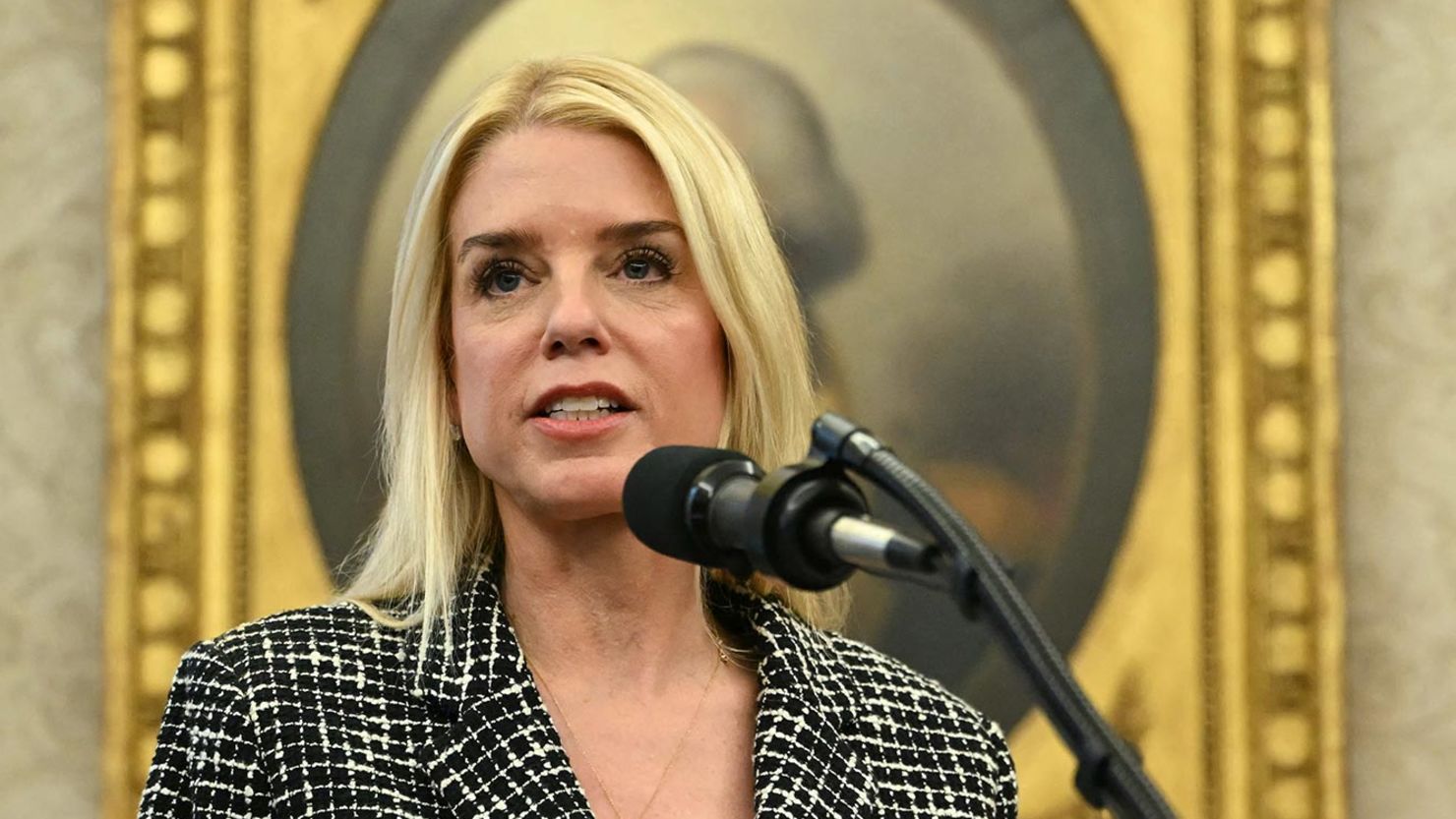
Critics warn that the move could weaken long-standing safeguards designed to ensure that attorneys working for the government remain accountable to ethical standards.
A Quiet Proposal With Major Implications
The proposed rule, recently published in the Federal Register, would allow the United States Department of Justice (DOJ) to take primary control of investigations involving its own lawyers when state bar associations attempt to open disciplinary inquiries.
Under the proposal, the Justice Department could conduct its own internal review first. During that process, state bar regulators would be required to pause their investigations until the federal inquiry concludes.
Supporters of the rule argue that it reinforces the constitutional principle that federal authority can take precedence over state oversight in certain circumstances. But critics say the change risks allowing the federal government to investigate itself without meaningful outside scrutiny.
Legal analysts have compared the idea to allowing a regulatory body to monitor its own conduct without independent review.
How Lawyer Discipline Works in the U.S.
In the United States, attorneys are licensed by individual states rather than the federal government. That means a lawyer admitted to practice in California is not automatically authorized to practice in New York or Florida without additional approval.
Even lawyers who appear in federal courts must first hold a valid state bar license. State bar associations therefore regulate professional conduct, ethics complaints, and disciplinary actions.
When a judge believes a lawyer has violated professional rules — for example by providing misleading information to the court or failing to meet procedural obligations — the judge can refer the matter to the appropriate state bar for review.
That system has long served as an external check on government lawyers.
If the Justice Department rule moves forward, critics argue, those independent investigations could be delayed or limited whenever federal authorities choose to intervene.
A Debate Shaped by Recent History
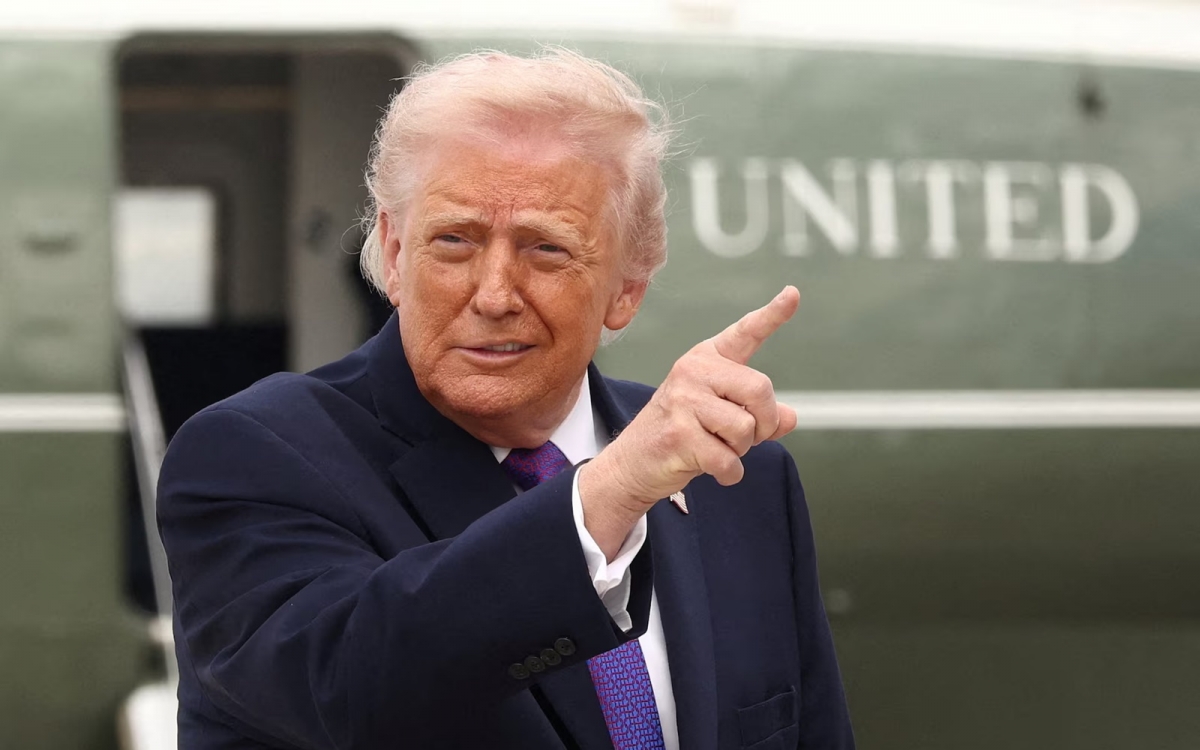
The controversy is unfolding in the shadow of the legal disputes surrounding Donald Trump’s previous administration.
Several attorneys connected to election-related litigation after the 2020 presidential race later faced sanctions or disciplinary reviews from courts and bar associations.
Among the most widely reported cases were those involving Rudy Giuliani, Sidney Powell, and John Eastman.
These proceedings highlighted the role state bars can play in enforcing ethical standards for lawyers involved in high-profile national disputes.
For critics of the DOJ proposal, that history raises concerns that federal authorities may now seek to reduce the likelihood of similar disciplinary actions in the future.
A Justice Department Facing Internal Pressures
The debate is also emerging during a period of significant change within the Justice Department.
Observers say thousands of experienced attorneys have left the agency in recent years, affecting several major divisions responsible for areas such as civil rights enforcement, antitrust regulation, and complex criminal investigations.
Former prosecutors note that rebuilding institutional expertise can take years, particularly in specialized areas of law.
In courtrooms across the country, federal judges have occasionally expressed frustration when government lawyers fail to meet procedural timelines or provide clear legal arguments. Such incidents have sometimes prompted referrals to bar authorities for further review.
A Potential Constitutional Clash
State bar associations are expected to closely examine the DOJ proposal and may challenge it if adopted.
Many legal scholars argue that oversight of professional licensing traditionally falls within the authority of states under the Tenth Amendment to the United States Constitution, which reserves certain powers to state governments.
If the federal rule ultimately limits state investigations, courts may be asked to determine whether the change conflicts with that principle.
Such a dispute could set the stage for a broader constitutional debate about where federal authority ends and state regulatory power begins.
Why the Outcome Matters
At its core, the controversy centers on how the legal profession maintains accountability.
Lawyers representing the federal government wield significant influence — from prosecuting major criminal cases to defending national policies in court. For that reason, the legal system traditionally relies on multiple layers of oversight: courts, internal ethics offices, inspectors general, and state bar regulators.
Supporters of the proposed rule argue it will protect federal lawyers from politically motivated investigations.
Opponents counter that removing independent review could reduce transparency and weaken public confidence in the justice system.
As public comments on the proposal begin to arrive, the legal community is preparing for what could become one of the most consequential debates about professional oversight in the American legal system in years.






