Trump Pressures Senate to Advance SAVE Act as Republican Divide Emerges Over Voting Rules

WASHINGTON — A growing political dispute inside the Republican Party is unfolding in the U.S. Senate as former President Donald Trump urges lawmakers to advance the SAVE Act, a controversial election bill that has already passed the House of Representatives but now faces significant resistance in the Senate.
The legislation would require individuals registering to vote in federal elections to provide documented proof of U.S. citizenship. Supporters say the proposal would strengthen election security and improve public confidence in the voting system. Critics, however, argue the measure could make voting more difficult for many Americans who may not have immediate access to specific documentation.
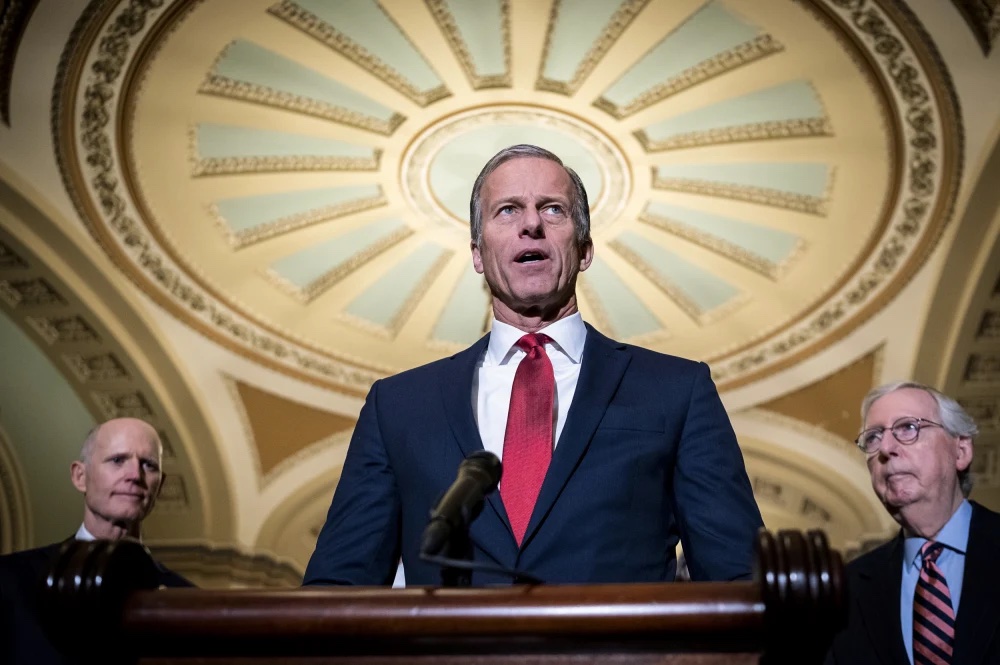
At the center of the debate is Senate Majority Leader John Thune, who has so far declined to bring the bill to the Senate floor under current procedural rules. His position has created tension with Trump and several prominent supporters of the legislation who believe the bill should move forward quickly.
Trump has repeatedly called on Senate Republicans to act, describing the SAVE Act as an important step toward safeguarding elections. During a recent appearance, he said the bill could have major political implications for future elections.
“If we pass this legislation, it will strengthen our elections and increase public confidence,” Trump said, urging Republican leaders to rally support in the Senate.
Despite that pressure, the bill faces a major procedural hurdle: the Senate filibuster. Under current rules, most legislation requires 60 votes to end debate before it can move to a final vote. This process, known as cloture, allows a minority of senators to block legislation unless a supermajority agrees to proceed.
Because Republicans do not currently hold 60 seats in the Senate, the SAVE Act is unlikely to reach a final vote unless Democrats support it or Senate rules are changed.
Some supporters of the bill have suggested eliminating the filibuster for election-related legislation. But Thune and several other Republicans appear reluctant to take that step. Ending the filibuster would allow legislation to pass with a simple majority, but it would also permanently change one of the Senate’s most enduring procedural traditions.
Many lawmakers worry that such a change could have long-term consequences. If control of Congress shifts in the future, the same rule could allow the opposing party to pass major legislation without minority support.
For that reason, Senate leaders are approaching the issue cautiously.
Meanwhile, the SAVE Act continues to generate debate among election experts and civil rights organizations. Critics say the requirement for documentary proof of citizenship could create challenges for some voters. Individuals who have changed their legal names after marriage, naturalized citizens whose records may differ from earlier documents, or Americans without easy access to birth certificates could encounter difficulties meeting the proposed requirements.
Voting rights advocates also point to studies indicating that cases of voter fraud in the United States are extremely rare. Multiple investigations, court rulings, and post-election audits over the past several election cycles have found no evidence of widespread fraud capable of changing election outcomes.
Nevertheless, supporters of the SAVE Act maintain that clearer verification standards would help reinforce trust in the electoral process. They argue that requiring documentation is a straightforward way to confirm eligibility and ensure that only U.S. citizens participate in federal elections.
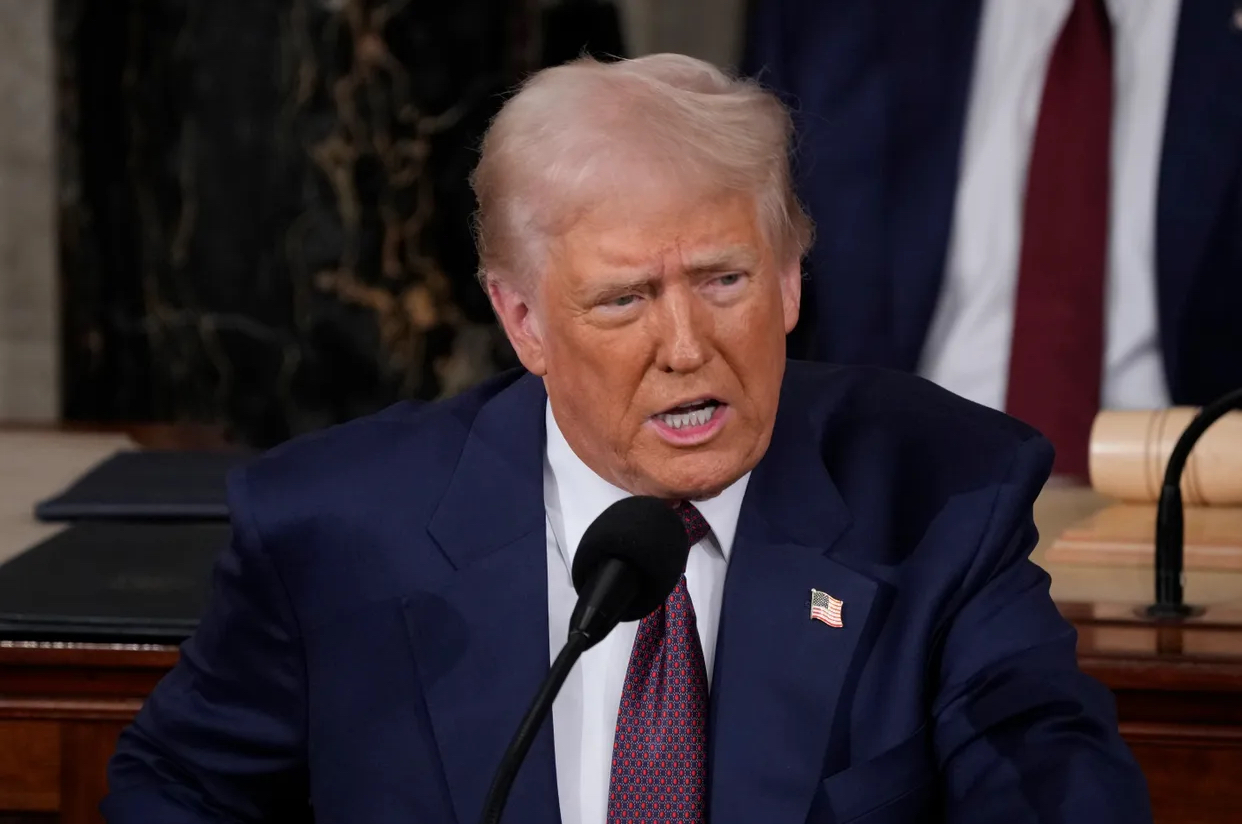
The debate has attracted attention from several influential figures aligned with Trump’s political movement. Some prominent supporters have publicly encouraged Senate Republicans to take stronger action to advance the legislation.
Still, Senate leadership appears determined to avoid a procedural showdown that could deepen divisions within the party. Bringing the bill to a vote without sufficient support could expose internal disagreements and complicate broader legislative priorities.
As a result, the SAVE Act currently appears unlikely to move forward in the Senate in its present form.
The broader national debate over election rules, however, shows no sign of slowing. With the 2026 midterm elections approaching, voting procedures and election security remain central issues in American politics.
Both parties are expected to continue promoting competing visions for how federal elections should be administered, ensuring that the discussion around voting access, election safeguards, and legislative reforms will remain a prominent topic in Washington in the months ahead.






