Supreme Court Tariff Ruling Sparks $166 Billion Refund Challenge for U.S. Government

A major legal development following a recent decision by the Supreme Court of the United States has placed the federal government in the position of potentially returning more than $166 billion to American importers after tariffs introduced during the presidency of Donald Trump were ruled unlawful.
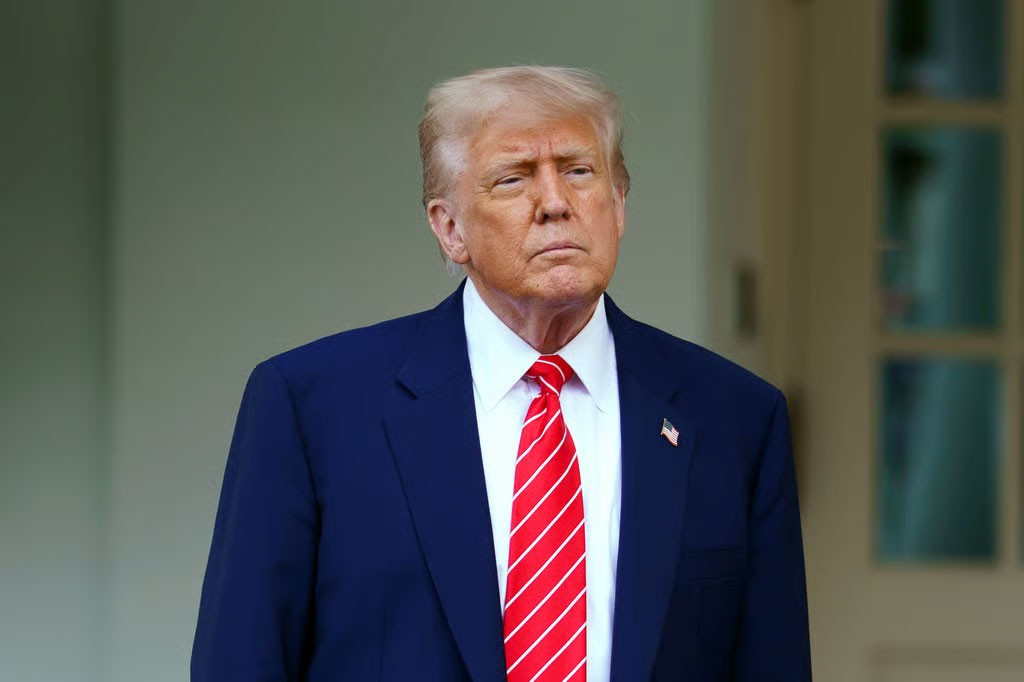
While the ruling resolved a long-running legal dispute over the tariffs, it has created an enormous administrative challenge for federal agencies now responsible for implementing the court’s decision.
At the center of the issue is Brandon Lord, executive director of the Trade Programs Directorate at U.S. Customs and Border Protection. In a sworn declaration submitted to the United States Court of International Trade, Lord warned that processing the refunds could require millions of labor hours and potentially take several years.
A Landmark Trade Decision
The Supreme Court concluded that tariffs imposed under the International Emergency Economic Powers Act (IEEPA) exceeded the authority granted under the law. The duties had been broadly applied to goods imported from more than 200 countries, affecting hundreds of thousands of American businesses.
Because importers paid those tariffs directly when goods entered the United States, the court’s ruling now requires the government to reverse those collections.
The case is currently being supervised by Judge Eaton, who has ordered federal agencies to stop collecting the disputed tariffs and begin preparing a system to issue refunds.
Millions of Transactions to Process
According to court filings, the scope of the task is unprecedented.
Officials estimate the government must process roughly:
-
53,173,939 individual refund entries
-
330,000 American importers
-
About $166 billion in previously collected tariffs
Each refund must be individually reviewed before payment can be issued.
Lord explained that once an entry is verified, processing the refund itself takes approximately five minutes. Across more than 53 million transactions, that adds up to more than 4.4 million labor hours.
In practical terms, analysts estimate the government might need roughly 2,000 full-time workers for an entire year dedicated solely to processing the refunds.
Technology Limits Create Additional Challenges
Much of the U.S. customs system operates through a digital platform known as the Automated Commercial Environment (ACE), which processes imports and collects duties electronically.
However, officials say the system was not designed to automatically reverse tariff collections at such a massive scale. As a result, many refunds may require manual verification, significantly slowing the process.
Customs officials also warned that redirecting large numbers of staff to refund processing could disrupt other critical trade enforcement responsibilities.
Justice Department Faces Growing Pressure
Legal experts say the implementation phase could place new scrutiny on the U.S. Department of Justice, which represents the government in federal court.

Although the department has not yet announced a final timetable for completing the refunds, analysts expect the issue to remain closely watched by senior officials and legal teams working under the authority of figures such as Pam Bondi, who has played a prominent role in high-profile legal and political debates surrounding federal policy and regulatory authority.
The outcome could shape how future administrations approach the use of emergency economic powers in trade policy.
Interest Payments Could Increase the Total Cost
Beyond the principal refunds, federal law requires the government to pay interest on improperly collected duties.
Some estimates suggest interest alone could add $10 billion to $15 billion, potentially pushing the total cost of refunds close to $180 billion.
What Happens Next
Judge Eaton is expected to evaluate the government’s proposed timeline and determine how quickly agencies must proceed with issuing refunds.
Congress could also become involved by allocating additional funding or directing agencies to expand staffing and automation to accelerate the process.
For the hundreds of thousands of American importers affected by the ruling, the timeline will determine how quickly they recover billions of dollars collected under a tariff policy that the nation’s highest court has now overturned.
While the legal dispute has been settled, the practical challenge of returning the money may take years to complete.






