A ‘Historic Referral’ That Didn’t Happen: How Claims About Judge Chutkan and a Third Trump Impeachment Went Viral
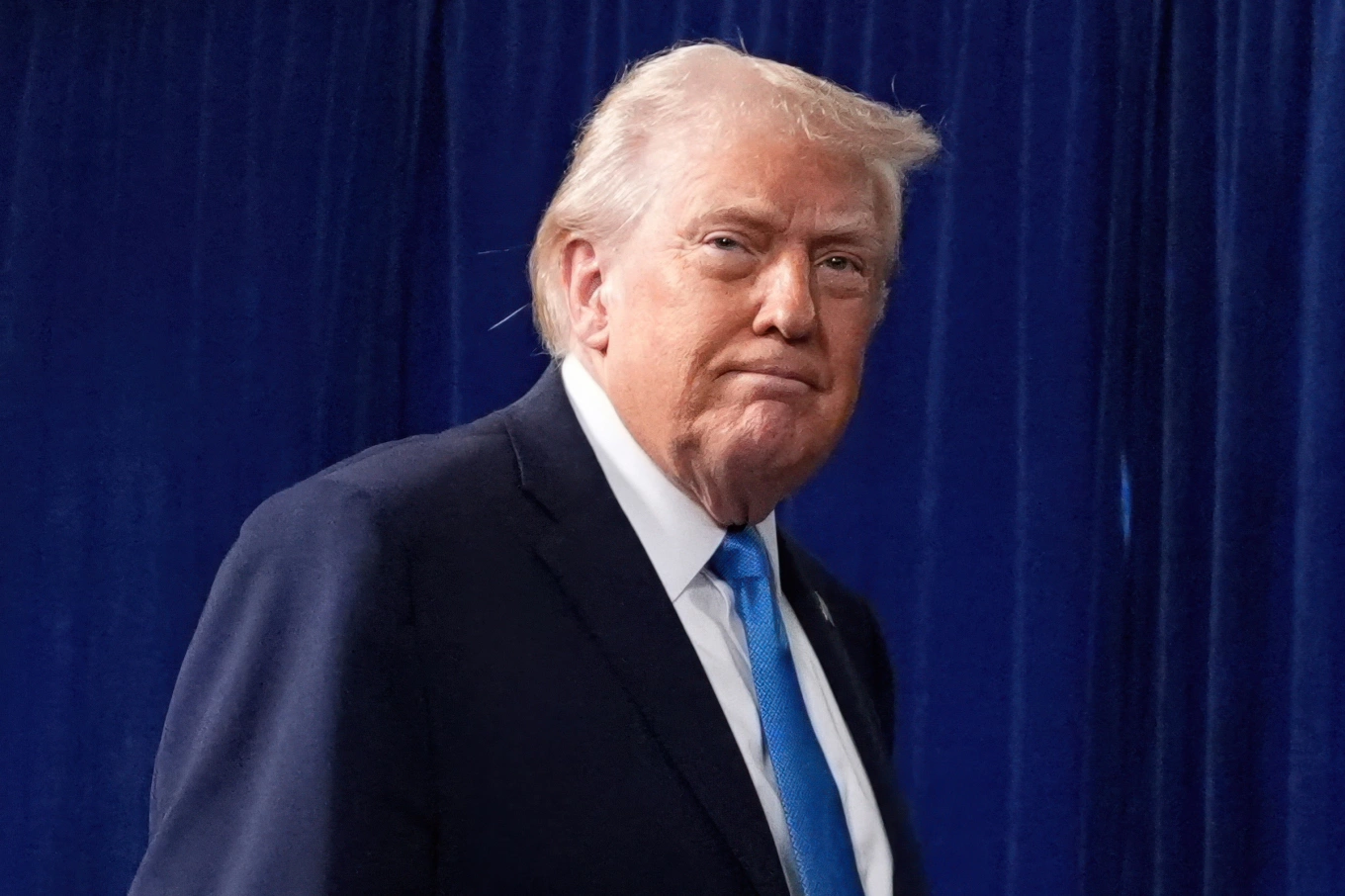
WASHINGTON — On Friday afternoon, a wave of posts surged across X, TikTok, YouTube, and messaging apps declaring that history had shifted: a federal judge had allegedly referred evidence of criminal conduct by a former president directly to Congress, called for immediate impeachment, and set in motion a third impeachment vote within days.
The judge named in the claims was Tanya Chutkan. The former president was Donald Trump. The alleged outcome was unprecedented.
There was only one problem. No such referral occurred.
The episode offers a case study in how high-stakes constitutional language — “criminal referral,” “clear and present danger,” “immediate impeachment” — can be assembled into a compelling narrative online, travel faster than verification, and leave readers struggling to separate fact from fiction.
What the Viral Claims Said
According to widely shared threads and videos, Judge Chutkan had filed a 47-page document publicly transmitting evidence to United States Congress, citing repeated violations of court orders and urging lawmakers to impeach Trump. The posts asserted that House leaders had activated a fast-track rule to force a vote within 72 hours and that bipartisan defections had already produced a majority.
Some content went further, claiming the same evidentiary package had been sent to the United States Department of Justice and that security preparations in Washington reflected imminent unrest.
The tone was declarative, the details vivid — timestamps, counts of violations, quotes attributed to the judge — and the sense of inevitability palpable.
What the Record Shows
A review of federal court dockets, congressional calendars, and statements from leadership offices shows none of these claims are accurate.
Judge Chutkan has not filed a criminal referral to Congress calling for impeachment. No such document appears on the public docket. Federal judges do not possess the authority to “call for” impeachment; impeachment is a political process initiated by the House. While courts can refer matters to prosecutors, those referrals are directed to law enforcement, not lawmakers — and even those occur through established channels and are documented.
Likewise, the House has not activated a rule to force an impeachment vote, nor has a bipartisan majority signed onto articles. There has been no emergency session, no roll call, and no leadership statement signaling imminent action.
Major news organizations, including The New York Times, have reported no such developments.

Why the Story Felt Plausible
The claims succeeded because they drew from real elements — ongoing litigation involving Trump, past disputes over gag orders, and heightened political polarization — and stitched them into a single, dramatic arc.
“Plausibility is the fuel,” said a former federal court reporter. “If a claim aligns with what people expect could happen, it can spread even without evidence.”
Impeachment, particularly a third one, carries symbolic gravity. So does the idea of a judge declaring a “clear and present danger.” Those phrases resonate, even when misapplied.
How Impeachment Actually Works
Under the Constitution, impeachment begins in the House with the introduction and passage of articles by a simple majority. A “criminal referral” from a judge does not trigger impeachment, nor does it compel Congress to act. The Senate conducts a trial only after the House impeaches, and conviction requires a two-thirds vote.
These steps are public, documented, and unmistakable. If a fast-track rule were invoked, it would appear on the House calendar immediately. None has.
The Role of Social Media Amplification
Algorithms rewarded the most definitive versions of the claim. Posts that hedged — “reportedly,” “if true” — traveled less far than those that asserted certainty. Reaction videos multiplied, often longer than the original posts, layering interpretation atop speculation.
Media scholars describe this as “outcome-first storytelling”: narrating a conclusion and retrofitting details to support it. Corrections, when they arrive, rarely match the reach of the initial claim.
What Is Actually Happening
None of this means scrutiny of Trump has ceased. He remains a defendant in multiple proceedings, and courts continue to enforce orders through established remedies. Congress retains oversight authority and can choose to investigate or legislate at its own pace. Prosecutors continue their work independent of congressional timelines.
But conflating these realities into a single, explosive event risks obscuring how accountability functions.

Why Precision Matters
Misstating constitutional processes has consequences. When audiences are told an impeachment is underway — and then learn it is not — trust erodes. Some conclude institutions are hiding the truth; others dismiss future reporting altogether.
“Impeachment is powerful precisely because it is rare and formal,” said a constitutional law professor. “Borrowing that power for viral storytelling weakens public understanding.”
A Familiar Pattern, Repeated
This is not the first time impeachment claims have raced ahead of reality, and it likely won’t be the last. The combination of complex procedures and a media ecosystem optimized for urgency makes such episodes predictable.
For readers, the lesson is practical: when a claim involves impeachment, look for primary signals — a resolution number, a committee markup, a roll call, leadership confirmation. Absent those, skepticism is warranted.
As of now, the constitutional order remains unchanged. The dramatic referral did not occur. The impeachment vote is not scheduled. And the most consequential development of the episode may be the reminder that, in an age of instant amplification, the distance between what is said online and what is true on the record can be vast.






