Allies Reassess Dependence as Costs and Control Shape Fighter Jet Decisions
The future of Western defense cooperation is being quietly tested—not on the battlefield, but in budget offices, procurement reviews, and political debates across Europe and North America. At the center of this reassessment is the F-35 fighter jet, long considered a cornerstone of allied military integration, but increasingly viewed through a more complicated lens of cost, control, and strategic autonomy.
Recent developments in Switzerland have brought these tensions into sharper focus. The government’s decision to reconsider aspects of its F-35 acquisition—originally approved under a tightly constrained budget—reflects a broader shift in how even traditionally cautious nations evaluate long-term defense commitments. Rising costs, driven by inflation and supply chain disruptions, have pushed the program beyond its initial financial framework, forcing officials to confront difficult trade-offs between capability and fiscal discipline.
But the implications extend well beyond accounting concerns. The structure of the F-35 program itself has prompted renewed scrutiny. Designed as part of an integrated system linking allied air forces, the aircraft relies heavily on centralized maintenance, software updates, and logistics pipelines managed by the United States. While this model enhances interoperability, it also creates a form of dependency that some policymakers now see as strategically constraining.
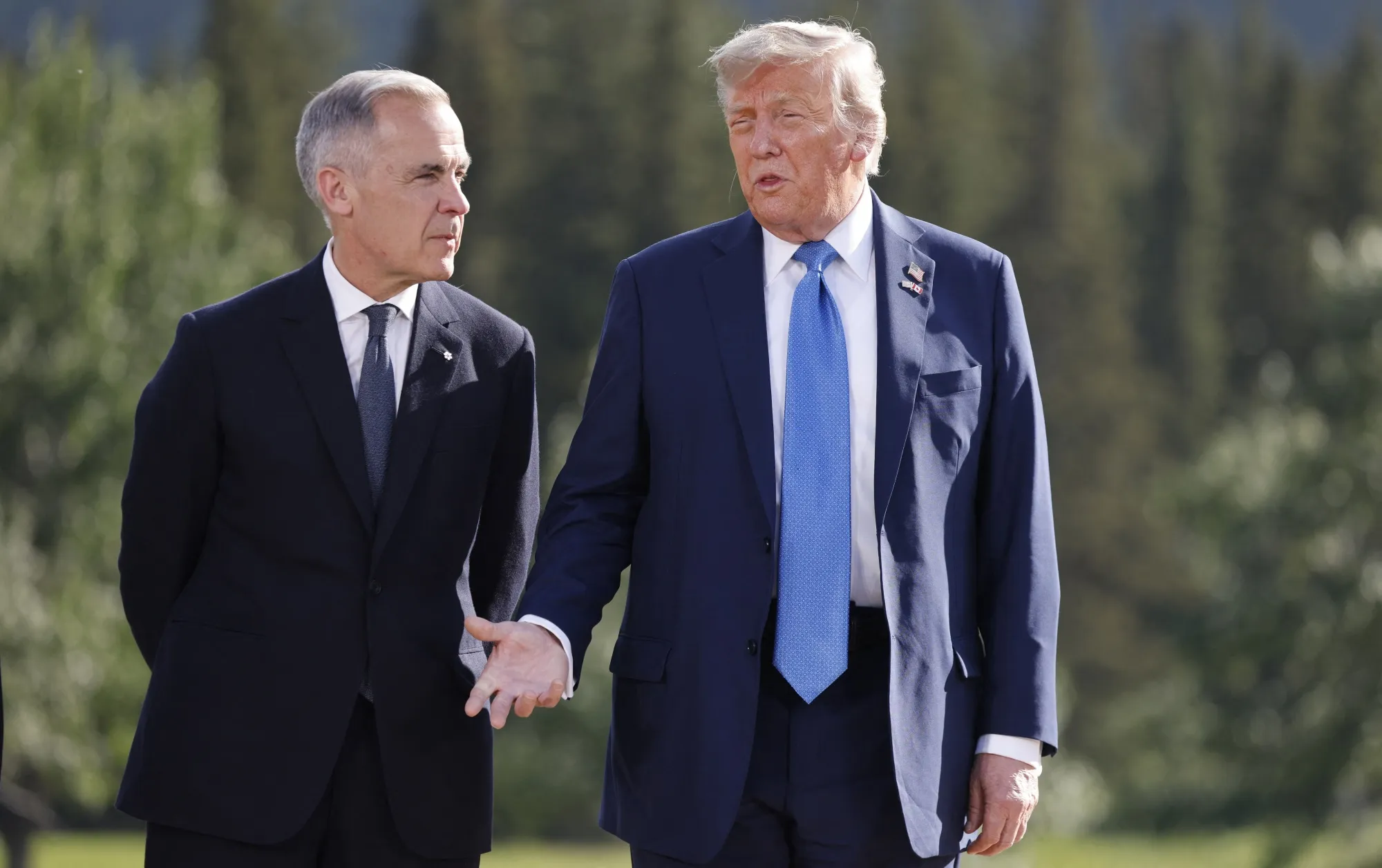
These concerns are not new, but they are gaining urgency in a shifting geopolitical environment. Under the leadership of Donald Trump, Washington has signaled a more transactional approach to alliances, emphasizing increased defense spending and, at times, linking security commitments to broader economic considerations. The expectation that NATO members raise defense expenditures to 5 percent of GDP—more than double the long-standing benchmark—has intensified pressure across the alliance.
For many governments, meeting such targets would require politically sensitive reductions in domestic spending, including healthcare and social services. Even NATO officials have acknowledged the scale of the challenge. The result is a growing tension between maintaining alliance cohesion and preserving domestic stability.

In Germany, this balancing act is already visible. Berlin has committed to the F-35 for specific strategic roles, particularly within NATO’s nuclear-sharing framework, while continuing to invest in European alternatives. Yet delays in joint defense projects and industrial constraints have complicated efforts to reduce reliance on American systems. The result is a hybrid approach that underscores both the necessity—and the discomfort—of continued dependence.
Nowhere is this dilemma more acute than in Canada. The government of Prime Minister Mark Carney is currently reviewing its own F-35 procurement plan amid escalating costs and evolving strategic considerations. What began as a roughly 19 billion Canadian dollar program has expanded significantly, with projections continuing to rise.
Canada has already committed to an initial tranche of aircraft, with deliveries expected to begin soon. Yet the broader decision—whether to proceed with the full fleet or reconsider alternatives—remains unresolved. The timeline is tight: the country’s aging CF-18 fighters are scheduled for retirement within the next decade, leaving little room for prolonged deliberation.
Complicating matters further is Canada’s history of trade friction with the United States, which has at times intersected with defense relationships. This experience has heightened sensitivity to the risks associated with relying on externally controlled systems, particularly in an era of unpredictable political dynamics.
Alternative options, such as Sweden’s Gripen fighter, have gained renewed attention precisely because they offer a different model—one emphasizing greater national control over maintenance, software, and operational decisions. While such alternatives may not match the F-35 in every technical dimension, they appeal to policymakers seeking a balance between capability and sovereignty.
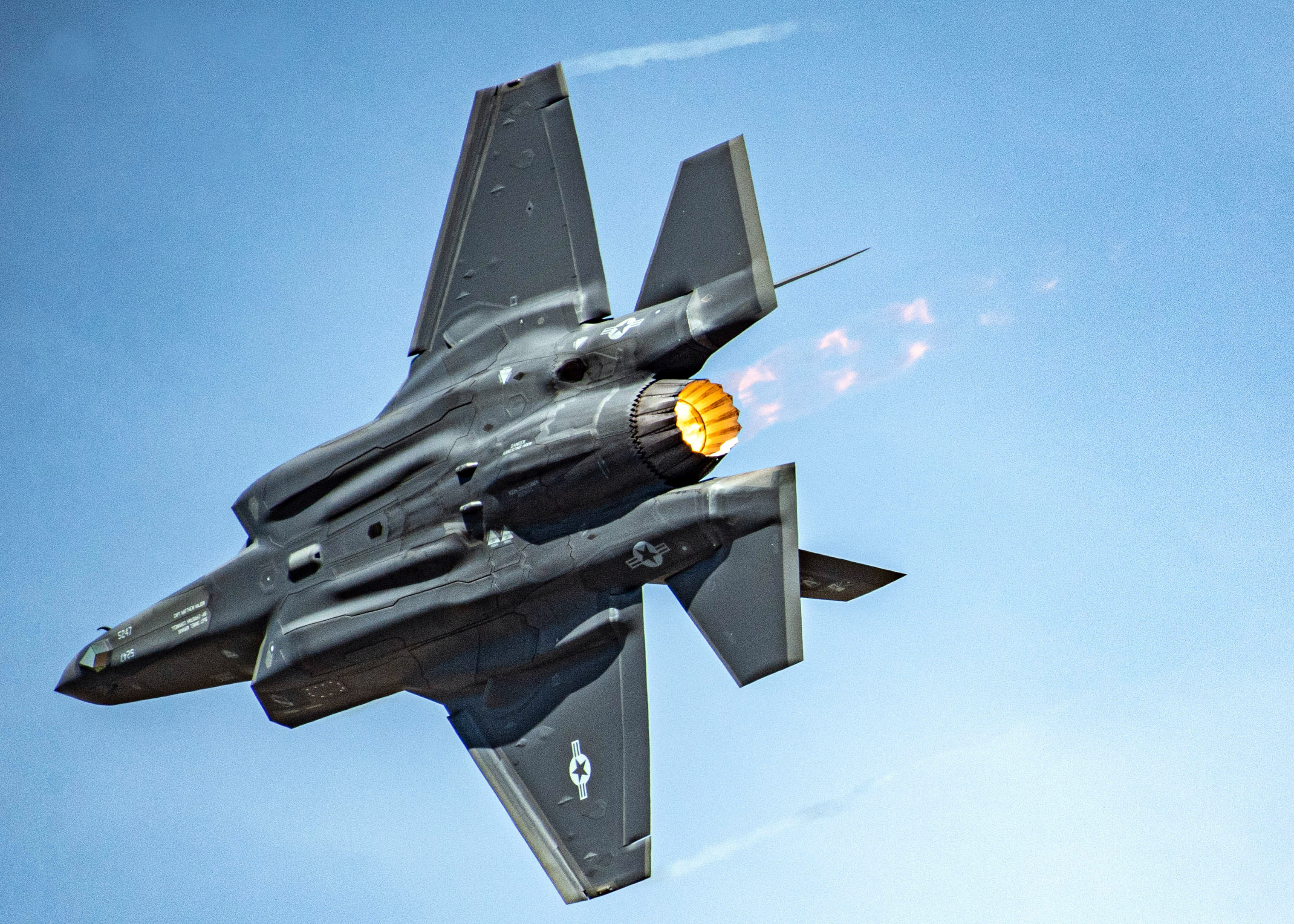
The broader question facing Western allies is not simply which aircraft to purchase, but how to define autonomy within an interconnected defense architecture. The F-35 embodies both the strengths and the tensions of that system: unparalleled integration on one hand, and a level of dependence that may prove uncomfortable under shifting political conditions.
At the same time, these decisions are unfolding against a backdrop of wider global uncertainty. Trade negotiations between the United States and China, geopolitical tensions in energy markets, and evolving security threats all contribute to an environment in which long-term commitments carry heightened risk.
What is emerging is not a rupture in alliances, but a recalibration. Countries are increasingly weighing not only the immediate benefits of cooperation, but also the long-term implications of technological and strategic dependence. Switzerland’s reconsideration, Germany’s dual-track approach, and Canada’s pending decision all point to the same underlying reality: the balance between integration and independence is being renegotiated.
In this context, the F-35 is more than a fighter jet. It is a symbol of a broader transformation in how allies understand power, partnership, and control in an era where certainty is increasingly in short supply.






