By XAMXAM
In American political theater, the line between provocation and consequence is often measured not by volume but by reaction. That dynamic was on full display after Robert De Niro delivered a blunt, unscripted rebuke of Donald Trump—first on a nationally televised awards stage, and later outside a Manhattan courthouse—setting off a familiar cycle: criticism, backlash, escalation.
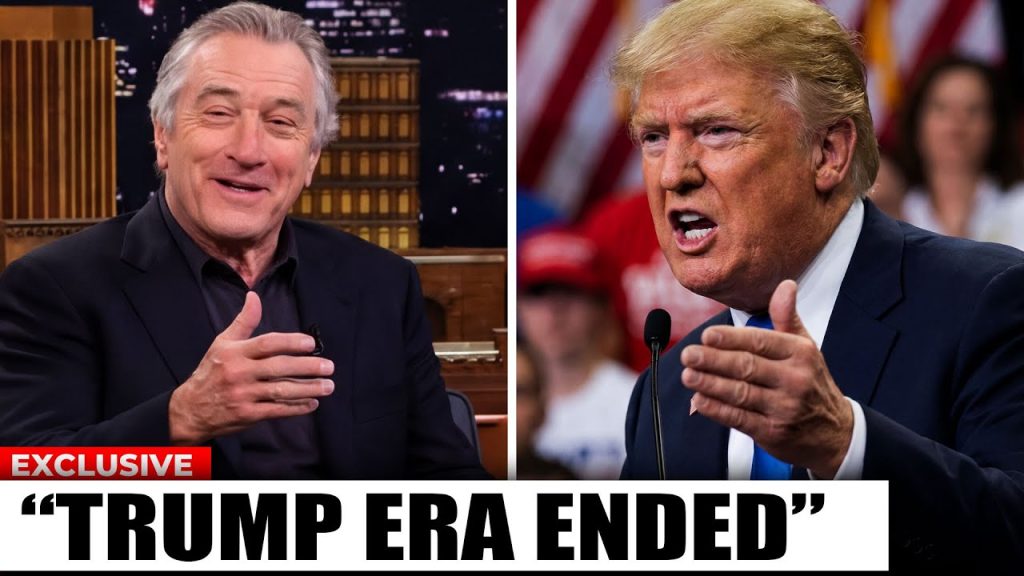
The moment most people remember dates to the 2018 Tony Awards, when De Niro walked onstage to introduce a musical performance and departed from prepared remarks. The language was coarse and unmistakable. The reaction was immediate: a standing ovation inside Radio City Music Hall, a viral clip within minutes, and a presidential response hours later that attacked the actor’s intelligence, career, and motives. The network’s broadcast delay muted the words on air; the internet did the rest.
What followed has become a pattern. De Niro, now in his eighties, has returned to the theme with consistency rather than novelty—warning about authoritarian tendencies, the erosion of democratic norms, and the dangers of indifference. Trump, in turn, has replied with denunciations on social media, treating the criticism not as argument but as affront. The exchange has proved durable because it is asymmetrical. One side speaks in admonitions about history and power; the other responds with personal invective.
That imbalance was visible again last spring, when De Niro appeared outside the courthouse during Trump’s hush-money trial. Flanked by former Capitol Police officers injured on January 6, De Niro framed his remarks as a civic appeal rather than a celebrity spectacle. He invoked New York’s long memory of Trump as a real-estate hustler, warned against minimizing threats to democratic institutions, and urged participation at the ballot box. Protesters heckled; De Niro answered sharply, then returned to his point. Within hours, Trump posted a barrage of insults online, calling the actor “wacko,” questioning his physical stature, and asserting professional decline.
The substance of De Niro’s critique has been debated, as it should be. His language is vivid and personal; his conclusions are severe. But the effect of Trump’s replies has been to shift attention away from the merits and toward temperament. When institutions—from economists defending central bank independence to lawmakers cautioning against politicized investigations—push back against Trump’s initiatives, the former president often meets them with ridicule rather than rebuttal. In the De Niro exchanges, that tendency is compressed into a single feedback loop.
Late-night comedians and political commentators have seized on the spectacle, but the episode reveals something more enduring about modern American politics: criticism does not need elaboration to resonate if the response supplies the amplification. De Niro’s remarks, delivered sparingly across several years, have not escalated in content. Trump’s reactions have. The louder the counterattack, the clearer the original contrast appears.
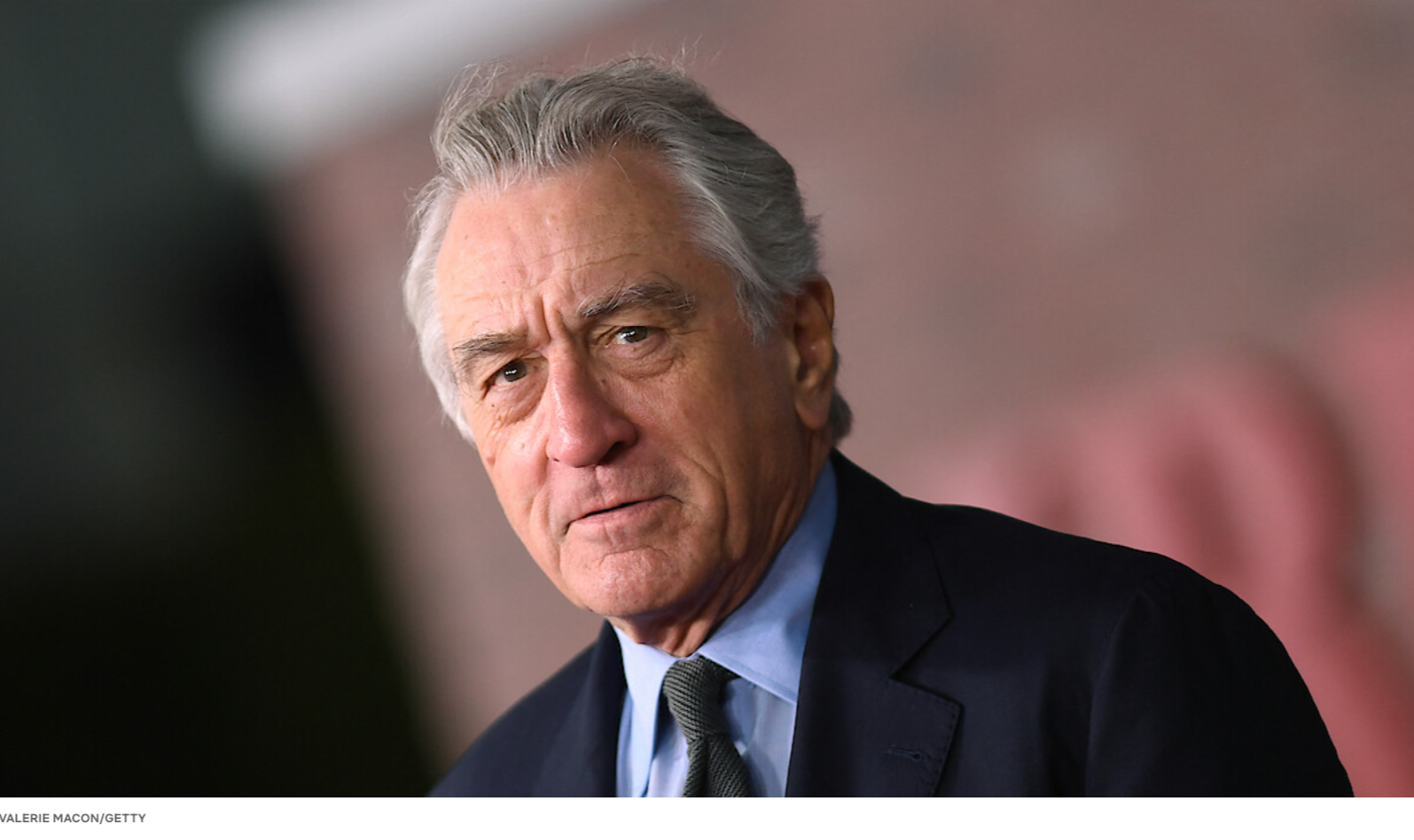
Supporters of Trump argue that celebrities should stay in their lanes, that De Niro’s interventions trade on fame rather than expertise. Critics counter that citizenship is not contingent on profession and that artists have long played a role in public dissent. Both positions miss the practical lesson of this particular exchange. The power of De Niro’s comments lies less in his résumé than in his refusal to perform outrage for its own sake. He speaks, pauses, and moves on. The reverberation comes from elsewhere.
There is also a generational subtext. De Niro’s career has been defined by portrayals of men corrupted by power—gangsters, fixers, aspirants who mistake dominance for legitimacy. His warnings draw on that vocabulary, explicitly likening Trump to figures history initially laughed off. Trump’s replies, by contrast, fixate on ratings, box office, and physical attributes. The argument, such as it is, takes place on different planes.
None of this settles the political questions at issue. It does, however, clarify how attention works. In an ecosystem that rewards reaction, restraint can be disruptive. De Niro’s approach—blunt but measured in frequency—leaves space for institutions and voters to respond. Trump’s approach—immediate and expansive—fills that space with noise, often to his detriment.
The result is that a rebuke intended as a warning becomes a mirror. Viewers are less persuaded by the insult than by the reaction to it. Each cycle reinforces a perception: when faced with criticism grounded in history and consequence, Trump reaches for personal attack. De Niro, for his part, continues to repeat a simple claim—that democratic norms are fragile—without embellishment.
In the end, the episode is not about an actor and a former president trading barbs. It is about how power behaves when challenged. Some leaders absorb criticism; others chase it. The latter turns dissent into spectacle and, paradoxically, grants it reach. De Niro’s comments would have faded as another awards-show aside. The meltdown made them last.
That is the lesson political communication keeps relearning. Silence can be strategic. Overreaction is rarely so.







