A Region on Edge as Washington Faces Escalating Crisis in the Middle East
By Tuesday morning, anxiety had spread well beyond the immediate theaters of conflict. Across the Middle East, American citizens were scrambling for commercial flights, oil markets were surging, and global investors were rattled — all while Washington appeared to be operating without a clearly articulated endgame.
In a security alert issued from the U.S. Embassy in Jerusalem, officials stated they were “not in a position at this time to evacuate or directly assist Americans in departing Israel,” advising citizens to make their own security arrangements. Similar advisories echoed from other diplomatic posts across the region. The message, stripped of diplomatic cushioning, amounted to a stark reality: Americans in an increasingly volatile war zone would largely be on their own.
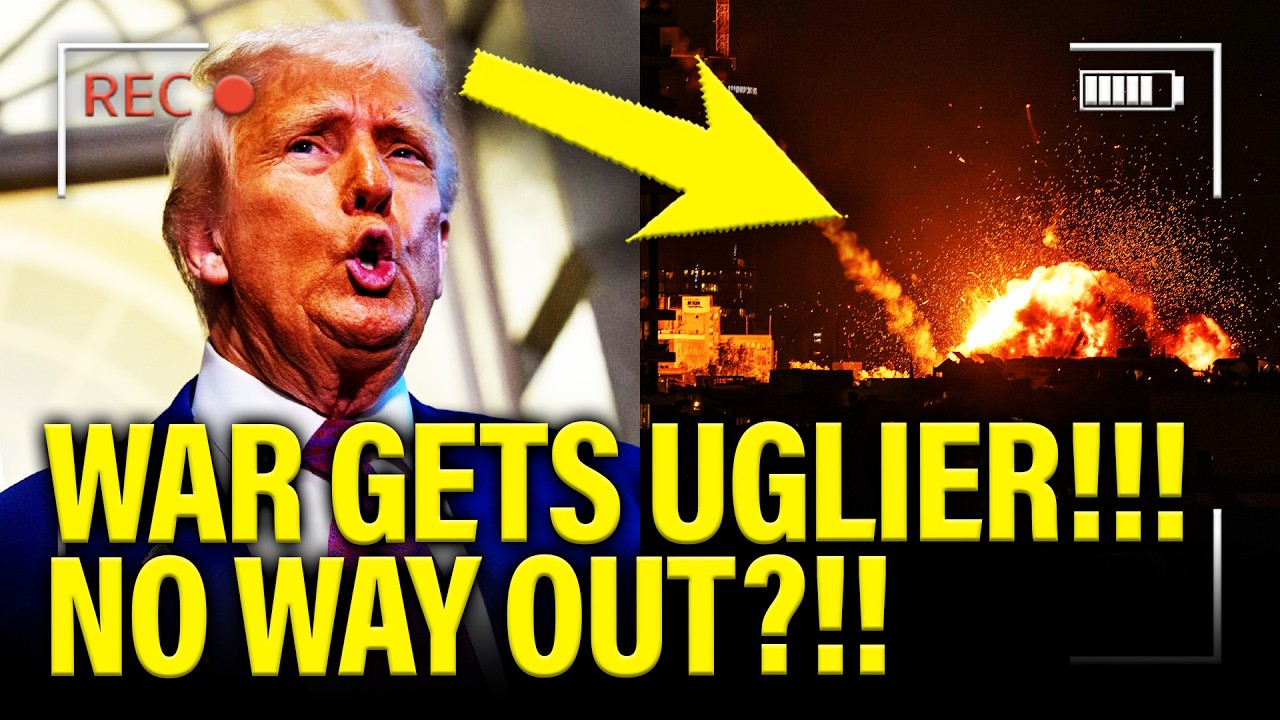
The developments follow an unprecedented escalation in hostilities between the United States, Israel and Iran. After coordinated strikes reportedly killed Iran’s Supreme Leader and hit strategic targets tied to Tehran’s governing structure, retaliation spread rapidly across Gulf states. Drone and missile strikes targeted ports and oil infrastructure in Oman and the United Arab Emirates. Thick plumes of smoke rose from critical shipping terminals, underscoring the fragility of global energy supply lines.
Oil markets reacted immediately. Brent crude spiked sharply amid concerns over disruptions to the Strait of Hormuz, through which roughly a fifth of the world’s oil supply transits. The national average gasoline price in the United States recorded its largest single-day increase since early 2022. Financial markets opened lower, with major indices dropping close to two percent at various points during the morning session, reflecting investor unease over the potential for prolonged conflict.
The geopolitical consequences are widening. France deployed fighter jets to protect its bases in the Gulf but stopped short of sending its aircraft carrier, signaling a defensive posture rather than open alignment with Washington’s campaign. Iraq suspended oil shipments through key pipelines. Israel evacuated embassy staff from the United Arab Emirates. The web of retaliatory strikes and countermeasures has drawn in multiple regional actors, heightening the risk of a broader war.
Inside Washington, administration officials have offered shifting explanations for the decision to strike Iran. Some have framed the action as preemptive — arguing that Israel intended to attack and that Iranian retaliation against American forces was inevitable. Others have characterized the campaign as limited, rejecting accusations of “interventionism” or “regime change.”
Yet those assurances have met skepticism on Capitol Hill. During a Senate hearing Tuesday, Senator Elizabeth Warren pressed senior Pentagon officials on the administration’s national defense strategy, which explicitly rejects “interventionism, endless wars, regime change and nation-building.” The exchange highlighted a growing tension between campaign rhetoric and present policy. Officials insisted the military campaign is not intended to be open-ended, but when asked to define a clear objective or endpoint, they offered few specifics beyond empowering “the Iranian people” to determine their future.
The humanitarian toll is already severe. Iranian state media reported that more than 140 people were killed in a strike on a girls’ school complex, including students and teachers. While casualty figures in conflict zones are often difficult to independently verify, the scale of reported civilian deaths has intensified criticism from international observers. The strike, described as the deadliest single incident of the current campaign, has fueled anger across Shiite communities in the region, some of whom had previously been ambivalent toward Iran’s leadership.
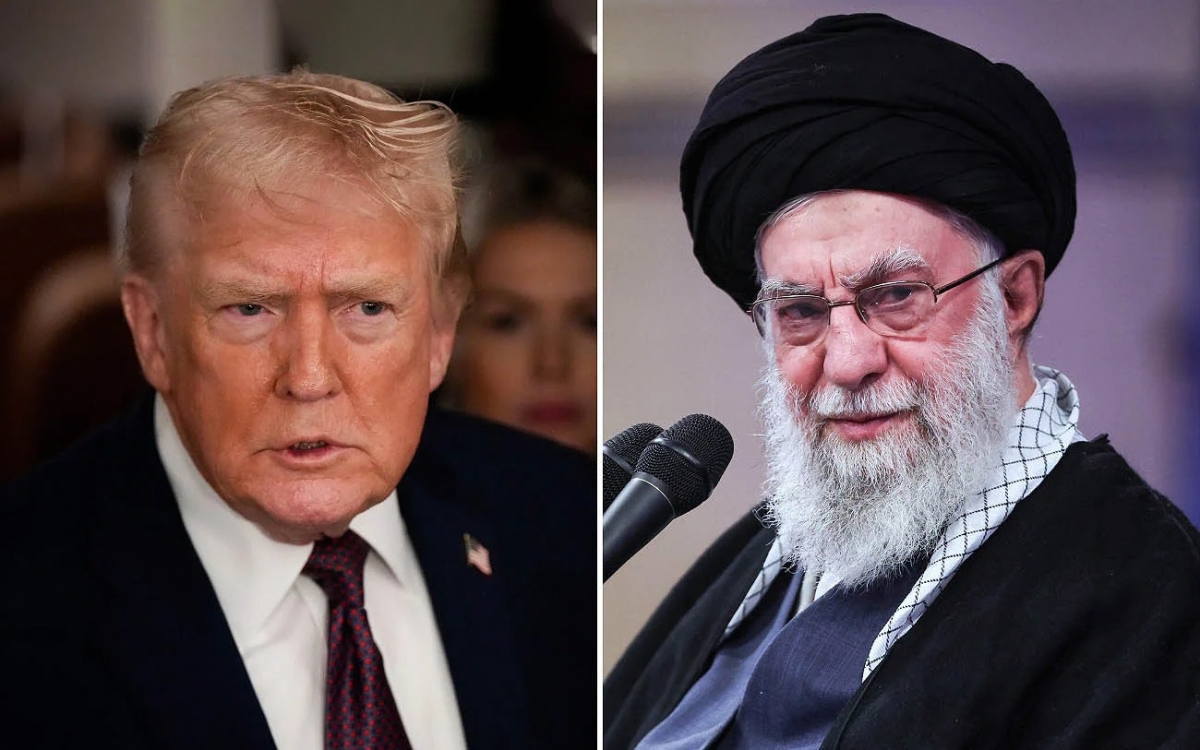
Strategically, analysts warn that the operation may produce unintended consequences. Prior to the escalation, Iran’s leadership faced internal discontent, particularly among younger citizens who had protested for greater freedoms. Now, images of foreign bombardment risk consolidating nationalist sentiment around hardline factions.
Meanwhile, security concerns extend to American forces stationed abroad. Reports surfaced that six U.S. service members were killed in Kuwait following what officials described as a preventable vulnerability in the positioning of a tactical operations center. According to accounts from military personnel, warnings about the site’s exposure had been raised but not acted upon.
The administration maintains that its actions were necessary to neutralize threats and prevent greater instability. Critics argue that the absence of a clearly defined diplomatic strategy, evacuation framework for civilians and publicly articulated objectives suggests a reactive posture rather than a comprehensive plan.
As oil prices fluctuate and markets attempt to recalibrate, the broader question looms: how long will this conflict last, and at what cost? In the absence of clear parameters for success, the Middle East finds itself once again at the center of a geopolitical storm — and Americans at home and abroad are left watching anxiously, uncertain where the next strike, or the next shock to the global economy, may fall.






