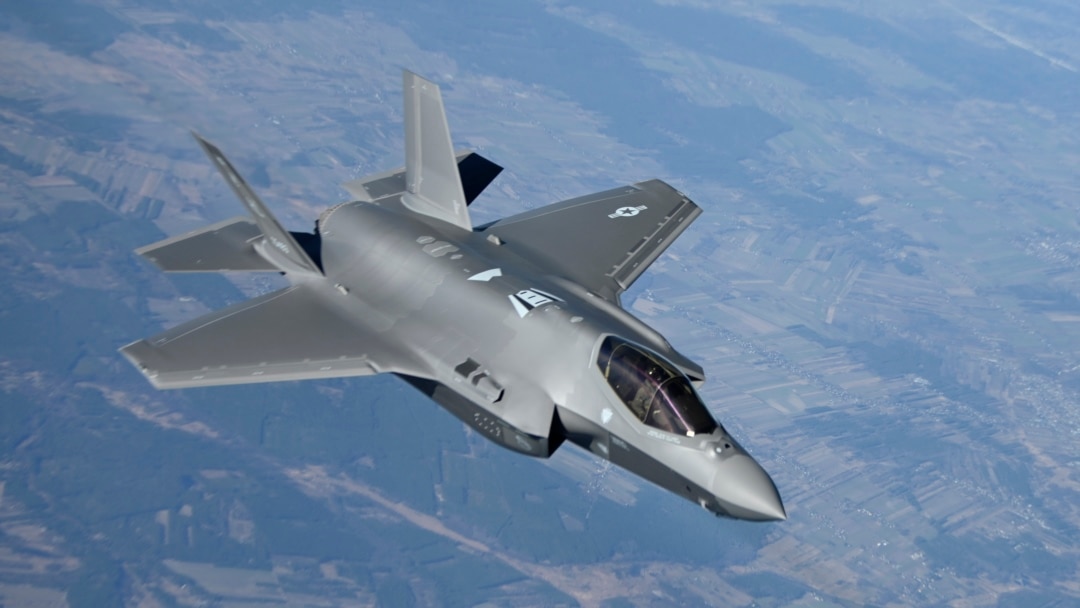
OTTAWA — Canada is weighing one of the most ambitious military procurement decisions in decades, with plans to expand its future fighter jet fleet to as many as 140 aircraft.
The proposal involves a mixed fleet of American F-35 Lightning II stealth fighters and Swedish Saab Gripen E aircraft, according to reports circulating in defense circles.
The scale of the plan far exceeds previous modernization efforts and carries significant implications for both national security and the Canadian economy.
While the F-35 would deliver advanced stealth and interoperability with key allies, the inclusion of the Gripen represents a strategic push for greater industrial benefits and reduced dependence on a single supplier.
Saab has proposed assembling Gripen jets in Montreal, a move that could generate thousands of high-skilled jobs and mark one of the largest defense manufacturing investments in Canadian history.
The potential deal builds on Canada’s existing interest in Saab’s GlobalEye airborne surveillance aircraft, signaling a deepening relationship with the Swedish manufacturer.
Officials in Ottawa are increasingly focused on bolstering domestic aerospace capabilities amid global uncertainty and shifting alliance dynamics.
Supporters of the mixed-fleet approach argue that the Gripen offers compelling advantages beyond raw performance. These include significantly lower operating costs compared to the F-35 and opportunities for substantial technology transfer.
Domestic assembly and maintenance capabilities would give Canada greater control over its logistics and supply chains, reducing vulnerability to foreign policy shifts or export restrictions.
If approved, the program could transform Canada from a pure operator of fighter jets into a manufacturer and potential exporter, revitalizing a sector that has faced challenges in recent years.
The current Royal Canadian Air Force operates CF-18 Hornets, many of which are decades old and increasingly difficult to maintain. Replacing them has been a long-standing priority delayed by successive governments.
Prime Minister Mark Carney’s administration has emphasized the need for credible deterrence and contributions to NATO, particularly as European allies call for greater burden-sharing.
A fleet of 140 aircraft would represent a major increase over earlier plans, which had centered on acquiring 88 fighters. The expansion reflects heightened concerns about Arctic sovereignty and transatlantic security.
Defense analysts note that a mixed fleet could provide operational flexibility. The F-35 excels in high-threat environments with its stealth features, while the Gripen is agile, cost-effective and well-suited for Canada’s vast geography.
Industrial offsets are a critical consideration in Canadian procurement. Saab’s Montreal proposal aligns with long-standing government policy requiring major benefits for domestic industry on large defense contracts.
Thousands of jobs could be created not only in final assembly but across the supply chain, including engineering, component manufacturing and training programs.
The aerospace sector has historically been a pillar of Canadian high-tech employment, particularly in Quebec and Ontario. A major win here could spur innovation and attract further investment.
Critics caution that integrating two different fighter types would add complexity to maintenance, pilot training and logistics. They also question whether Canada’s defense budget can sustain such a large fleet over decades.
Cost estimates for the full program remain fluid, but they are expected to run into the tens of billions of dollars when including infrastructure, weapons and long-term support.
The decision comes at a time of evolving NATO expectations. Recent statements from alliance commanders have urged Canada and European partners to strengthen air capabilities as American priorities shift.
Canada has already reached the 2 percent of GDP defense spending target, providing fiscal room for major capital investments.
Still, balancing industrial policy with operational needs remains delicate. The F-35 offers deep integration with the United States and other allies, a key factor given NORAD responsibilities.
Saab, by contrast, positions the Gripen as a more independent choice, appealing to those wary of over-reliance on American systems.
The government has not yet made a final announcement, but sources indicate active discussions are underway. A decision could come within months as the aging CF-18 fleet nears the end of its service life.
If realized, the program would rank as Canada’s largest defense procurement in 40 years, surpassing even the controversial frigate program of the 1980s in strategic importance.
Beyond jobs and security, success could enhance Canada’s geopolitical standing. A capable, modern air force equipped with both advanced stealth and versatile fighters would strengthen deterrence in the Arctic and North Atlantic.
It could also open doors for future exports, positioning Canadian industry as a player in the global fighter market.

Challenges remain, including workforce development, technology security and ensuring the project delivers promised economic returns.
Parliamentary oversight and public debate are expected to intensify as details emerge. The stakes are high for taxpayers, the aerospace sector and national defense.
As Ottawa weighs its options, the choice between a single-source fleet and a diversified approach will shape Canada’s military posture and industrial landscape for generations.
The coming months will determine whether this bold vision materializes into one of the defining achievements of the Carney era or becomes another chapter in Canada’s long history of complex procurement struggles.
(Word count: 718)