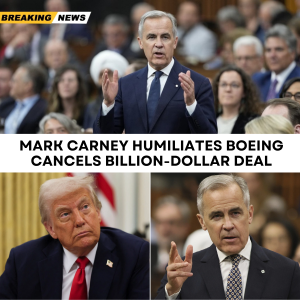
🔴 Canada Loses 18,000 Jobs as Trade Deal Collapses Amid Chinese Influence Concerns 💥
OTTAWA — Canada’s economy delivered another discouraging blow in April, shedding 18,000 jobs and pushing the national unemployment rate to 6.9 percent.
The latest labor market data underscores the challenges facing Prime Minister Mark Carney’s government as it navigates slowing growth, trade tensions and shifting global alliances.
For comparison, the United States maintains a lower unemployment rate of 4.3 percent, highlighting divergent economic fortunes between the two neighbors.
The job losses come at a delicate moment for Canadian trade negotiations with the United States. Recent reports suggest that progress toward a deal was derailed not primarily by American demands but by actions within Canada itself.

Foreign Affairs Minister Mélanie Joly’s moves to threaten legal action against automakers Stellantis and General Motors reportedly provoked strong backlash from the U.S. auto industry. Industry leaders appealed directly to President Donald Trump, leading to the collapse of talks that had appeared close to fruition.
Canadian officials have defended their position as standing up for domestic workers. Yet critics argue the episode reflects deeper incoherence in Ottawa’s approach to its most important trading partner.
The setback arrives as the country already contends with a technical recession, the only one among G7 nations. Opposition voices have seized on the data to question the government’s economic management.
Former U.S. Secretary of State Mike Pompeo, speaking at a conservative gathering in Ottawa, offered a stark assessment of Canada’s vulnerabilities. He warned of growing Chinese Communist Party influence within Canadian institutions, including universities, businesses and political circles.
Pompeo, drawing on extensive intelligence experience, described Beijing’s tactics as patient, deceptive and ultimately self-serving. He suggested that some Canadian entities engaging with China may underestimate the risks involved.
Canadian security agencies have previously documented similar concerns. Reports from the Canadian Security Intelligence Service have outlined efforts by China to target politicians, business leaders and other sectors.
Despite these warnings, the government has pursued deeper economic ties with Beijing. Critics point to initiatives like police cooperation agreements and perceived leniency on issues such as forced labor in supply chains as signs of misplaced priorities.
The forced labor question has also strained relations with Washington. U.S. tariffs on multiple countries, including Canada, cite insufficient enforcement of import bans on goods produced through coercion.
Meanwhile, domestic policy moves have raised alarms about civil liberties. Bill C-22 would grant the Canadian Security Intelligence Service expanded real-time access to personal devices and electronic systems under relatively low thresholds of suspicion.
Experts and opposition members warn that the legislation could enable warrantless surveillance, including remote activation of microphones and data access, potentially without judicial oversight in some cases.
Government representatives have described the measures as necessary tools for national security in a complex threat environment. Privacy advocates counter that the bill risks significant overreach with minimal safeguards.
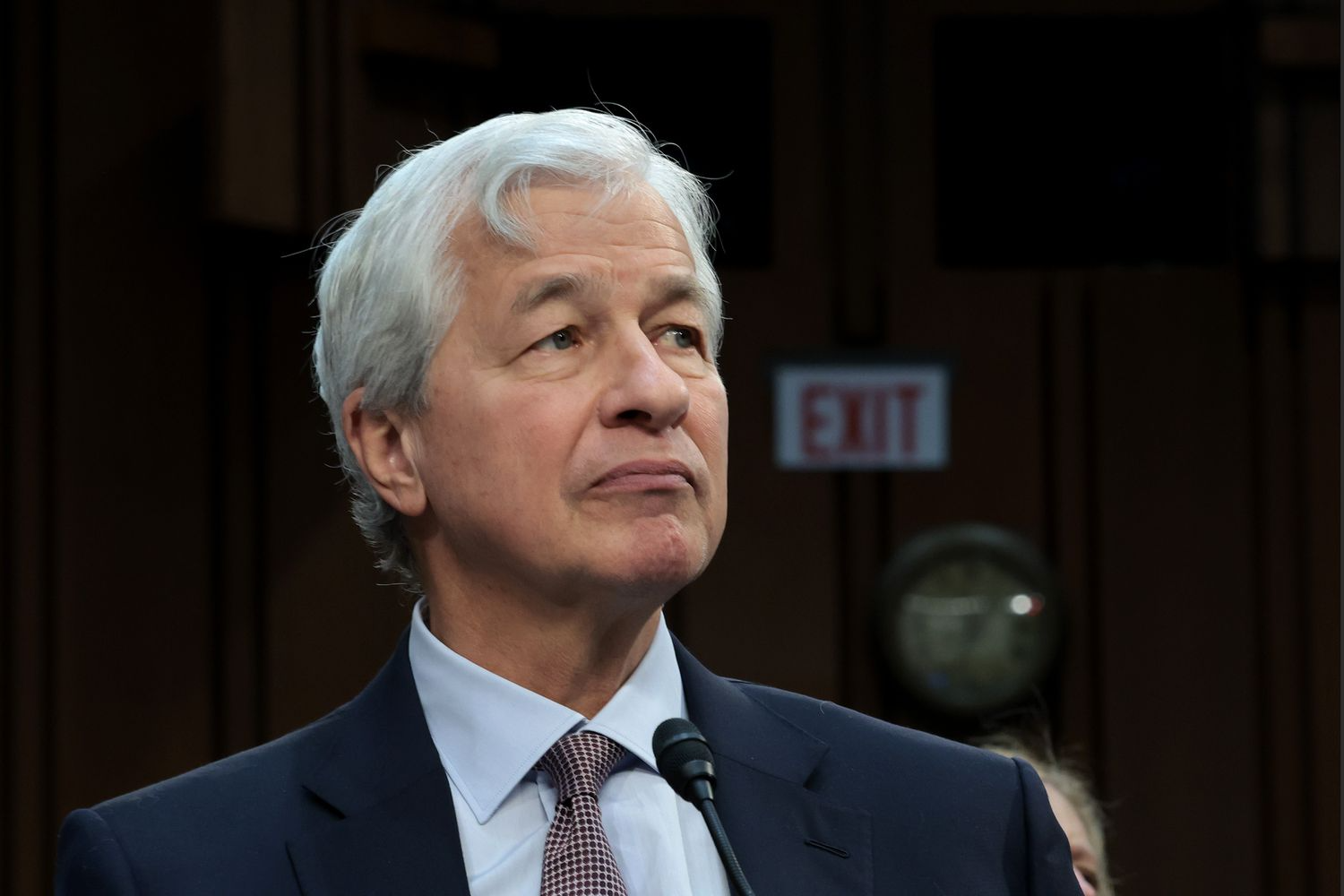
In a separate development that surprised some observers, a prominent speaker at a conservative policy conference in Ottawa opened her remarks with a traditional land acknowledgment to the Anishinaabe Algonquin Nation.
The gesture at an event focused on economic freedom and limited government sparked debate about consistency in political messaging and the role of such acknowledgments in contemporary discourse.
Broader economic pressures continue to mount. The Retail Council of Canada has labeled retail crime a national crisis, with annual losses approaching $10 billion, particularly in the grocery sector.
Honda’s decision to indefinitely postpone an electric vehicle plant in Canada has further rattled manufacturing communities and raised questions about investor confidence.
The government has announced extensions to employment insurance benefits, which some interpret as preparation for prolonged economic difficulty.
Prime Minister Carney has emphasized the need for bold action and new partnerships. Yet repeated emphasis on diversification away from the United States has met skepticism given the deep integration of the two economies under the USMCA framework.
Analysts note that Canada’s heavy reliance on resource exports and manufacturing makes it particularly sensitive to trade disruptions and global commodity shifts.
Public frustration is growing over affordability issues, including persistent high gas prices and grocery costs despite various relief measures.
As parliamentary sessions continue, the opposition has intensified scrutiny of the government’s handling of trade, security and economic files.
The coming weeks will prove critical as USMCA-related negotiations loom and domestic pressures accumulate. Whether Ottawa can stabilize the economy and rebuild international trust remains an open question.
For many Canadians, the combination of job losses, stalled trade deals and security concerns paints a picture of a country at a strategic crossroads.
The Carney government insists its policies are laying foundations for long-term resilience. Detractors argue that immediate course corrections are essential to avoid deeper decline.