The announcement immediately sent shockwaves through Washington. By formally submitting a letter to the House clerk declaring his departure from the Republican Party, Kevin Kiley has taken a step that few sitting members of Congress attempt in such a polarized political environment.
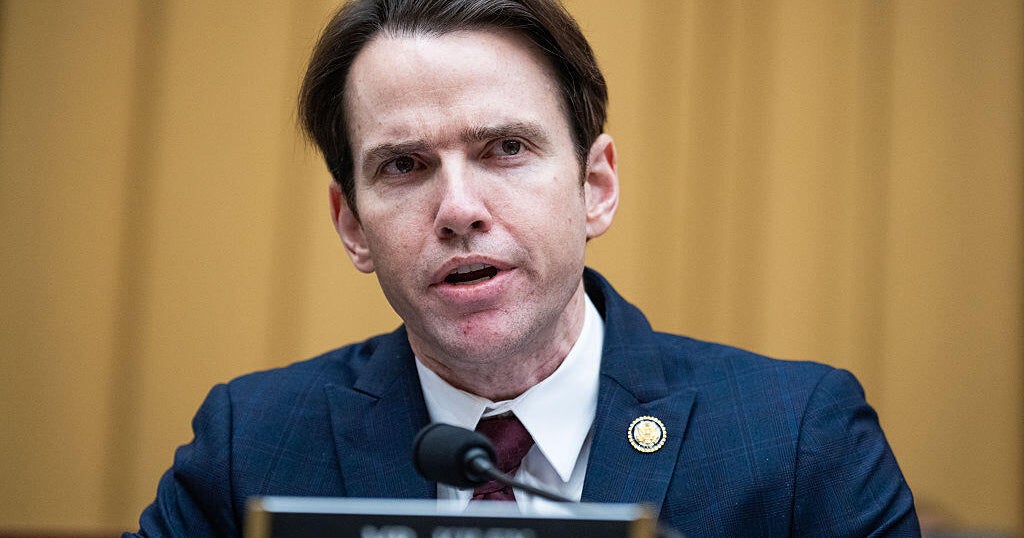
Kiley said his decision was driven primarily by frustration with the growing “gerrymandering war” between the two major parties. In his view, increasingly aggressive efforts by both Republicans and Democrats to redraw congressional districts have turned politics into a permanent partisan battle, where electoral outcomes are often shaped long before voters ever cast a ballot.
He argued that stepping away from party affiliation was the most direct way to push back against that trend.
“Since gerrymandering seeks to elevate partisanship above everything else in our politics and governance — seeks to make it the sum and substance of our politics — then the best way to counter gerrymandering and its insidious impacts on democracy is simply to take partisanship out of the equation,” Kiley said while explaining his move.
However, the timing of the decision has sparked intense debate about the real motivations behind it. Critics note that Kiley had already indicated he planned to run for reelection as an independent in the upcoming midterm elections. What surprised observers was his decision to accelerate the process and formally leave the party immediately rather than wait until the campaign season.
Some analysts see the shift as a strategic calculation in a rapidly changing political landscape. With former President Donald Trump continuing to dominate the Republican Party’s identity and messaging, certain lawmakers in competitive districts are facing growing pressure from both sides of the political spectrum. For representatives in politically divided areas, distancing themselves from party labels could offer a path to broader appeal among independent voters.
Still, Kiley made clear that his break from the Republican Party does not necessarily mean a break from Republican lawmakers themselves. He acknowledged that, because he was originally elected as a Republican, he will likely continue to caucus with the GOP in the House — at least for now.
At the same time, he left the door open to a different arrangement in the future.
If he is reelected as an independent, Kiley said he could consider caucusing with Democrats depending on what he believes best serves his district at that time. “The appropriate posture as an independent is to say I’m going to do whatever serves my constituents,” he explained. “That’s a decision I’ll make at the time.”
That statement has fueled skepticism among critics who argue the move reflects political survival rather than ideological conviction. In an era where party loyalty often defines congressional careers, abandoning a party label while keeping caucus options open can be seen as a pragmatic — if controversial — attempt to maximize flexibility.
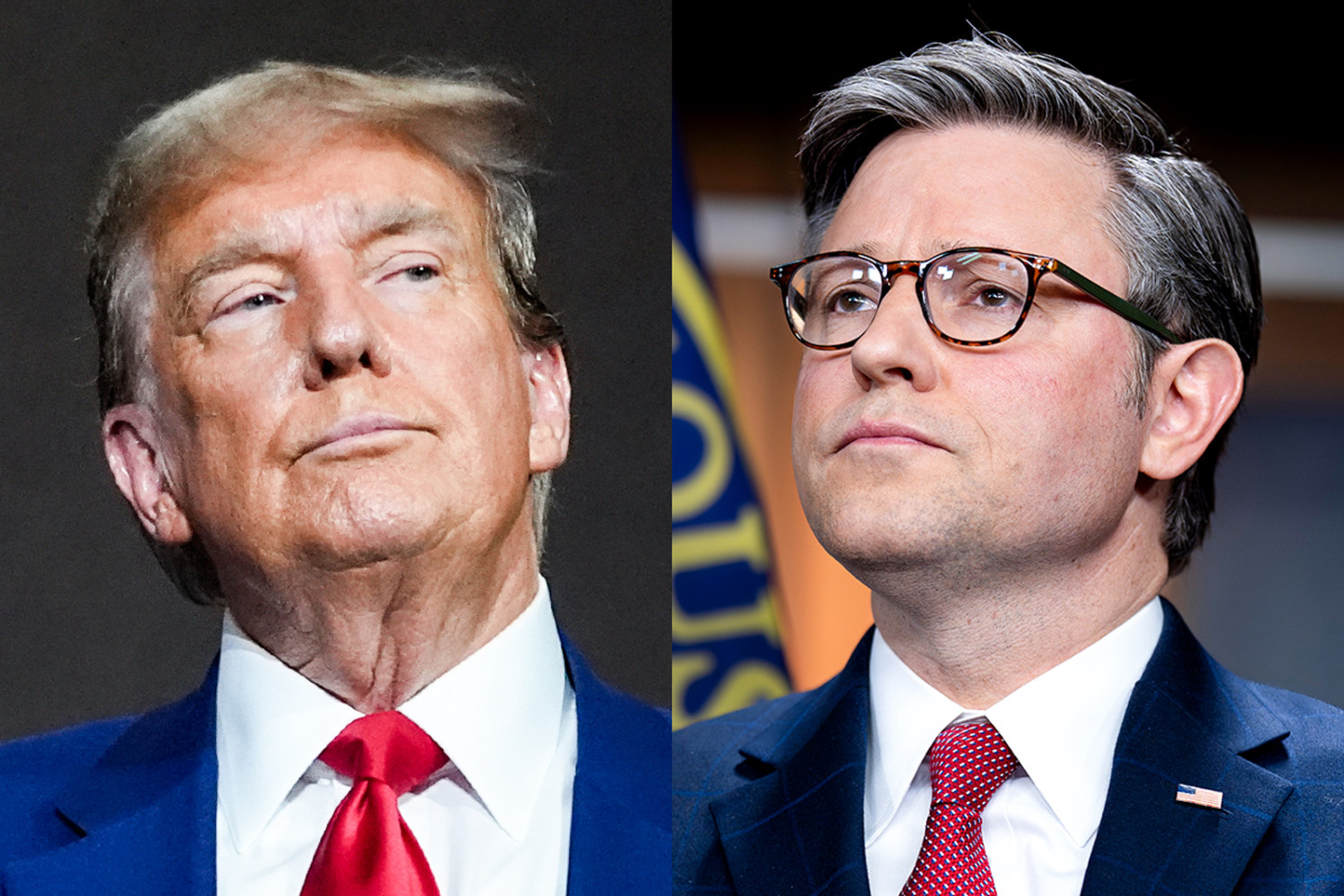
The development also places added pressure on House Republican leadership. Speaker Mike Johnson is already navigating a narrowly divided chamber, where even small shifts in membership or allegiance can complicate legislative strategy. Losing a Republican member — even one who may still vote with the party on many issues — underscores the fragile balance of power in Congress.
Beyond the immediate numbers, the symbolic impact may be just as significant. Party defections, though rare, often signal deeper unease within a political coalition. When lawmakers publicly distance themselves from their own party, it can amplify existing concerns about electoral vulnerabilities and internal divisions.
For Democrats, the move is being interpreted by some strategists as a potential indicator of broader turbulence heading into the next election cycle. Midterm elections historically serve as a referendum on the party in power, but they can also expose fractures within opposition parties as candidates recalibrate their political identities to match shifting voter sentiment.
Whether Kiley’s gamble ultimately pays off remains uncertain. Running as an independent presents its own challenges, from fundraising to building a campaign infrastructure that does not rely on established party networks. At the same time, it offers the possibility of appealing to voters who feel increasingly alienated by rigid partisan divides.
For now, one thing is clear: the decision adds another unpredictable element to an already volatile political landscape. As the midterms approach, moves like this will be closely watched for signs of whether they represent isolated maneuvers by individual lawmakers — or the early signals of a broader political shift still unfolding in Washington.






