Debate Over Iran Conflict Spills Online as Critics and Supporters Clash Over Political Accountability
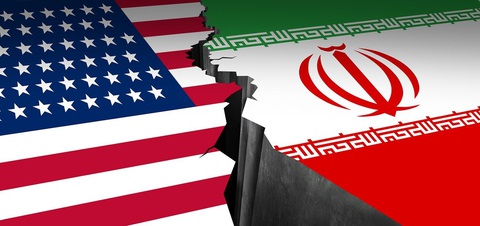
WASHINGTON — As tensions rise following U.S. military strikes connected to the expanding conflict with Iran, a parallel battle has unfolded online, where political criticism, grief over military casualties and sharply partisan rhetoric have converged into a volatile public debate.
The discussion intensified after U.S. Central Command confirmed that three American service members had been killed and several others wounded in operations linked to the conflict, an announcement that quickly spread across television networks and digital platforms. The deaths, among the first publicly reported American casualties associated with the latest round of hostilities, prompted expressions of mourning from government officials while also fueling renewed scrutiny of the administration’s strategy in the region.
Within hours, members of Congress and military analysts began debating the broader implications of the strikes. Some Democratic lawmakers called for Congress to return to Washington to consider a War Powers resolution that could limit further military escalation without explicit legislative approval. Others defended the administration’s authority to act quickly in response to perceived threats.
Representative Eugene Vindman, a Democrat from Virginia and a veteran of the Iraq War who serves on the House Armed Services Committee, said in televised interviews that lawmakers must carefully examine the scope and objectives of the military campaign.
“When American lives are placed at risk, there has to be clarity about the mission and its legal foundation,” he said, reflecting concerns among some lawmakers that the United States could become drawn into a broader regional conflict.
The policy debate soon migrated to social media, where reactions to the unfolding events became increasingly polarized. Commentators supportive of the administration argued that decisive military action was necessary to deter further aggression from Iran and its allies. Critics, meanwhile, accused the White House of escalating tensions without a clearly defined strategy.
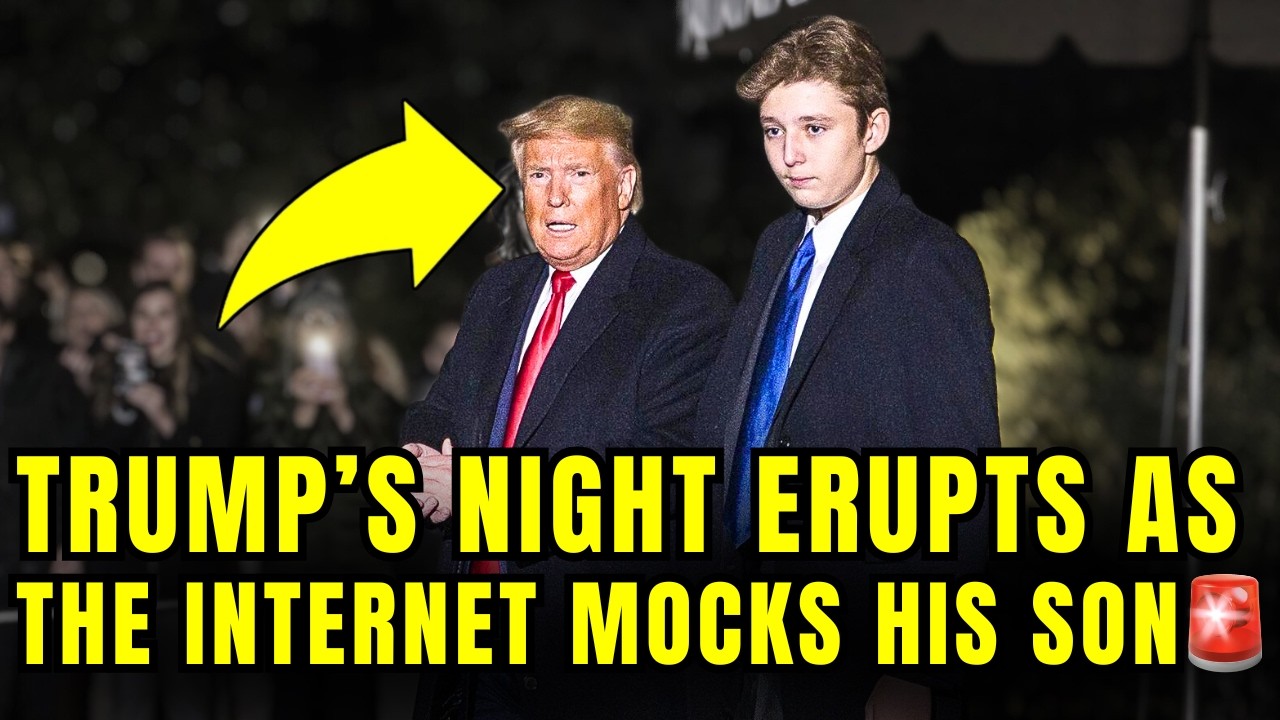
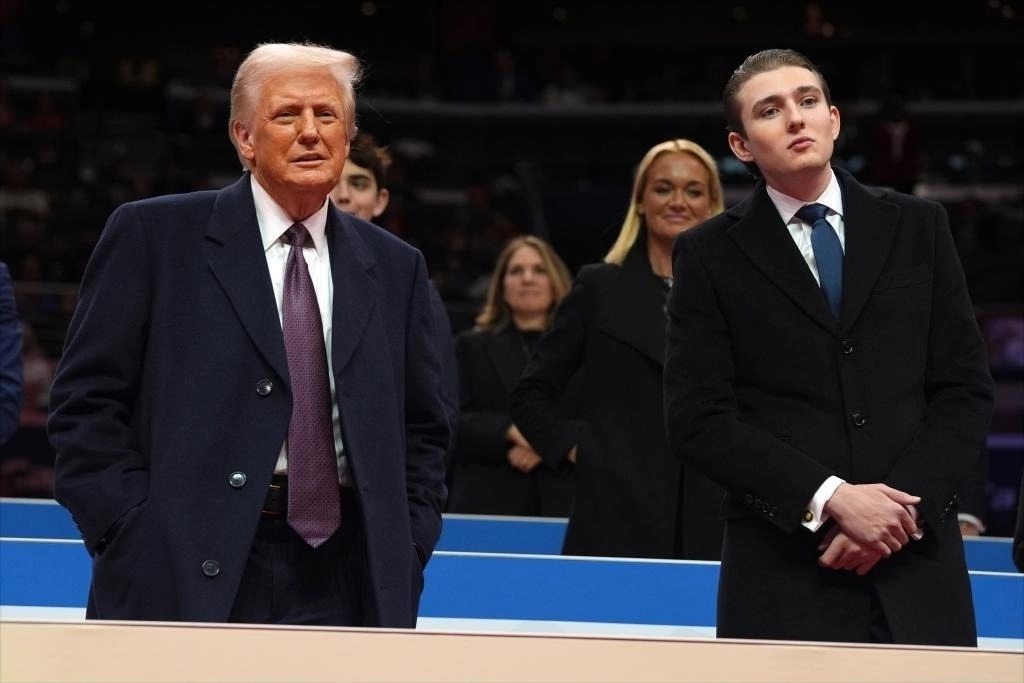
Amid that clash, online users began circulating hashtags and commentary that referenced the families of political leaders, a tactic that drew criticism from observers who said it risked pulling individuals not involved in policymaking into the center of a heated geopolitical dispute.
Digital media researchers note that such moments often reveal how quickly international crises can be reframed through the lens of domestic politics. Platforms like X, formerly Twitter, amplify emotionally charged commentary, sometimes blurring the line between political critique and personal attack.
“The internet tends to compress complex geopolitical events into symbolic arguments,” said a communications scholar who studies political discourse online. “Once a conflict becomes associated with a political figure, discussions can rapidly shift from policy analysis to broader narratives about accountability, patriotism and personal responsibility.”
That dynamic was evident as users debated questions about military service, sacrifice and leadership. Some posts compared the risks faced by American troops with the experiences of political leaders, reviving long-standing discussions about the relationship between civilian leadership and military decision-making in wartime.
For decades, U.S. presidents have grappled with balancing swift national security responses with the constitutional requirement that Congress authorize sustained military engagements. The tension between those responsibilities has surfaced repeatedly, from Vietnam and Iraq to more recent counterterrorism operations.
In this case, analysts say the online reaction illustrates how modern conflicts unfold simultaneously across several arenas: the battlefield, the halls of government and the digital public square.
“It’s no longer just a policy debate,” the communications scholar said. “It’s a cultural moment that becomes shaped by memes, commentary and partisan narratives in real time.”
The White House responded to the reports of casualties with a statement expressing condolences to the families of the fallen service members and reaffirming support for American forces operating abroad. Officials emphasized that the mission was aimed at protecting U.S. interests and maintaining regional stability, though they did not provide extensive details about potential next steps.
Supporters of the administration argued that the focus should remain on honoring the troops rather than engaging in political disputes. Critics countered that the loss of American lives inevitably raises questions about the strategic decisions that led to the conflict.
Despite the intensity of the online reaction, historians note that public disagreement over wartime leadership is hardly new. From the Civil War through the conflicts of the 20th century, Americans have repeatedly wrestled with how to balance national unity during wartime with democratic debate about the use of military power.
What distinguishes the current moment, analysts say, is the speed and scale at which those arguments unfold.
In a media landscape defined by instantaneous reaction, a single announcement from a military command can trigger waves of commentary, analysis and criticism within minutes. By the time policymakers respond, public narratives may already be taking shape across millions of screens.
Whether the digital uproar will influence policy decisions in Washington remains uncertain. But the episode underscores how modern warfare — and the politics surrounding it — increasingly plays out not only in government chambers and conflict zones, but also across the global networks where public opinion now forms.






