A Tense Exchange Over Casualties Draws Scrutiny to Pentagon Messaging
WASHINGTON — A tense exchange during a White House briefing this week has reignited debate over how the administration communicates about military operations and the deaths of American service members.
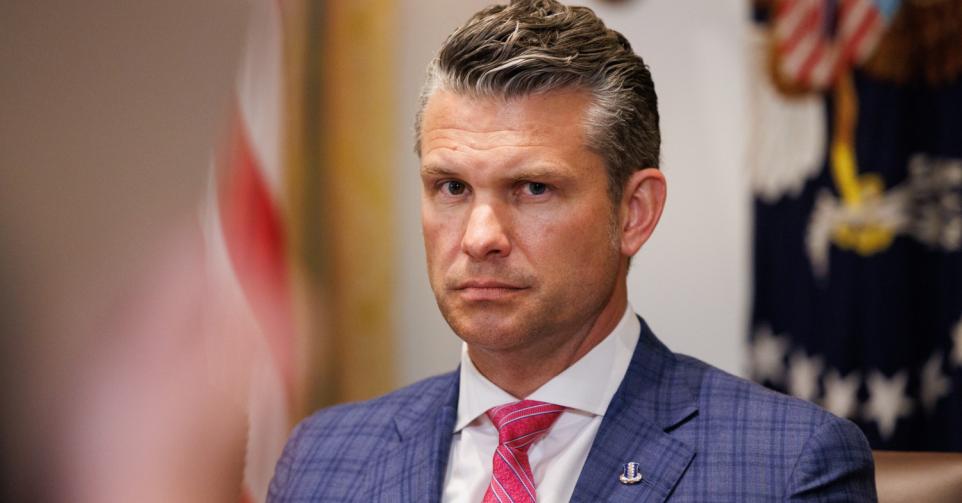
The controversy followed remarks by Defense Secretary Pete Hegseth during a Pentagon briefing about a recent military campaign targeting Iranian assets. In prepared comments, Hegseth addressed reports about missile and drone attacks in the early stages of the conflict. While emphasizing the broader objectives of the operation, he acknowledged that some projectiles had penetrated defenses, resulting in the deaths of six U.S. service members.
“Much was made of the volume of missiles Iran was able to shoot in the first few days,” Hegseth said. “And sadly, as we projected, a few got through.” He added that the United States would respond and honor those who had died in service.
But another line from the same remarks quickly drew attention. Referring to coverage of the casualties, Hegseth suggested that when drones break through defenses or tragedies occur, the events often become “front page news,” a comment that some observers interpreted as frustration with the way the media framed the story.
The statement set off a pointed exchange at the White House the following day. During the press briefing, reporters pressed the administration on whether the remarks suggested that news organizations should avoid highlighting the deaths of American troops.
Karoline Leavitt, the White House press secretary, rejected that interpretation. She said the administration’s position was not that casualties should be ignored, but that coverage should reflect what officials described as the broader success of the operation, which the administration has called “Operation Epic Fury.”
“The position of this administration is that the press should accurately report on the success of the operation and the damage it is doing to the Iranian regime,” Leavitt said. She also stressed that American service members were risking their lives to protect the country and that their sacrifices should be acknowledged alongside the strategic outcomes of the campaign.
Still, the exchange highlighted the delicate balance between wartime messaging and public accountability. Journalists noted that reporting on the deaths of U.S. troops has long been a central part of war coverage across administrations, regardless of party.
The issue quickly moved beyond the briefing room. Television panels and political commentators debated whether the administration had struck the right tone in discussing the casualties. On the morning program “Morning Joe,” several commentators criticized the framing of the remarks and argued that discussions of fallen service members should remain separate from political messaging.
One panelist said that the focus of briefings should begin with honoring the troops and acknowledging their sacrifice. Others suggested that the public discussion surrounding the comments reflected broader concerns about how political leaders communicate during times of conflict.
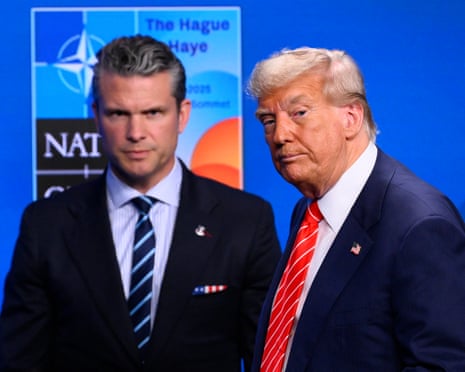
For supporters of the administration, however, the reaction from critics illustrated the intense scrutiny that accompanies every statement during a fast-moving news cycle. They argued that Hegseth’s remarks were intended to emphasize the larger strategic context of the military operation rather than diminish the significance of the casualties.
The debate also underscored the pressures facing officials responsible for communicating military developments in real time. Defense briefings often involve a mix of operational updates, political messaging, and responses to breaking events, all delivered under intense public attention.
President Donald Trump has not directly addressed the controversy surrounding the briefing comments, though the administration has reiterated that he plans to attend the dignified transfer ceremony for the fallen service members. Such ceremonies, in which the remains of troops are returned to U.S. soil, have traditionally been a solemn moment for presidents and military leaders alike.
Meanwhile, the broader discussion about the briefing continues to circulate across television broadcasts, political commentary programs and social media platforms. For some observers, the episode illustrates how quickly wartime messaging can become a focal point of political debate in Washington.
What began as a routine defense update has now evolved into a wider conversation about communication, accountability and the role of the press during periods of military conflict. And in a media environment where every remark can spark immediate reaction, even a brief line from a prepared statement can reverberate far beyond the briefing room.
[VIDEO]






