FBI Obtains Arizona Election Audit Data, Renewing Debate Over Federal Role in 2020 Vote Investigation

As the United States approaches another critical election cycle, federal investigators have renewed scrutiny of materials connected to the 2020 presidential election, prompting concern among election officials and political observers. Recent developments in Arizona — where federal authorities obtained digital records related to a controversial audit of the 2020 vote — have reignited debate over the limits of federal involvement in state-run election systems.
The Federal Bureau of Investigation recently acquired digital data tied to a private review of Arizona’s 2020 election conducted by a firm called Cyber Ninjas. The information was provided after a grand jury subpoena was issued to the president of the Arizona State Senate, who then turned the records over to federal investigators.
The move follows earlier actions in Georgia, where federal authorities collected ballots from Fulton County under a judicial warrant as part of a broader investigation examining election-related issues connected to the 2020 vote.
While federal officials have not publicly detailed the scope of the inquiry, the renewed focus on election materials from several battleground states has drawn attention because the 2020 election has already been extensively examined through multiple audits, recounts, and court challenges. Reviews conducted by both Republican and Democratic officials across Arizona concluded that there was no evidence of widespread voter fraud.
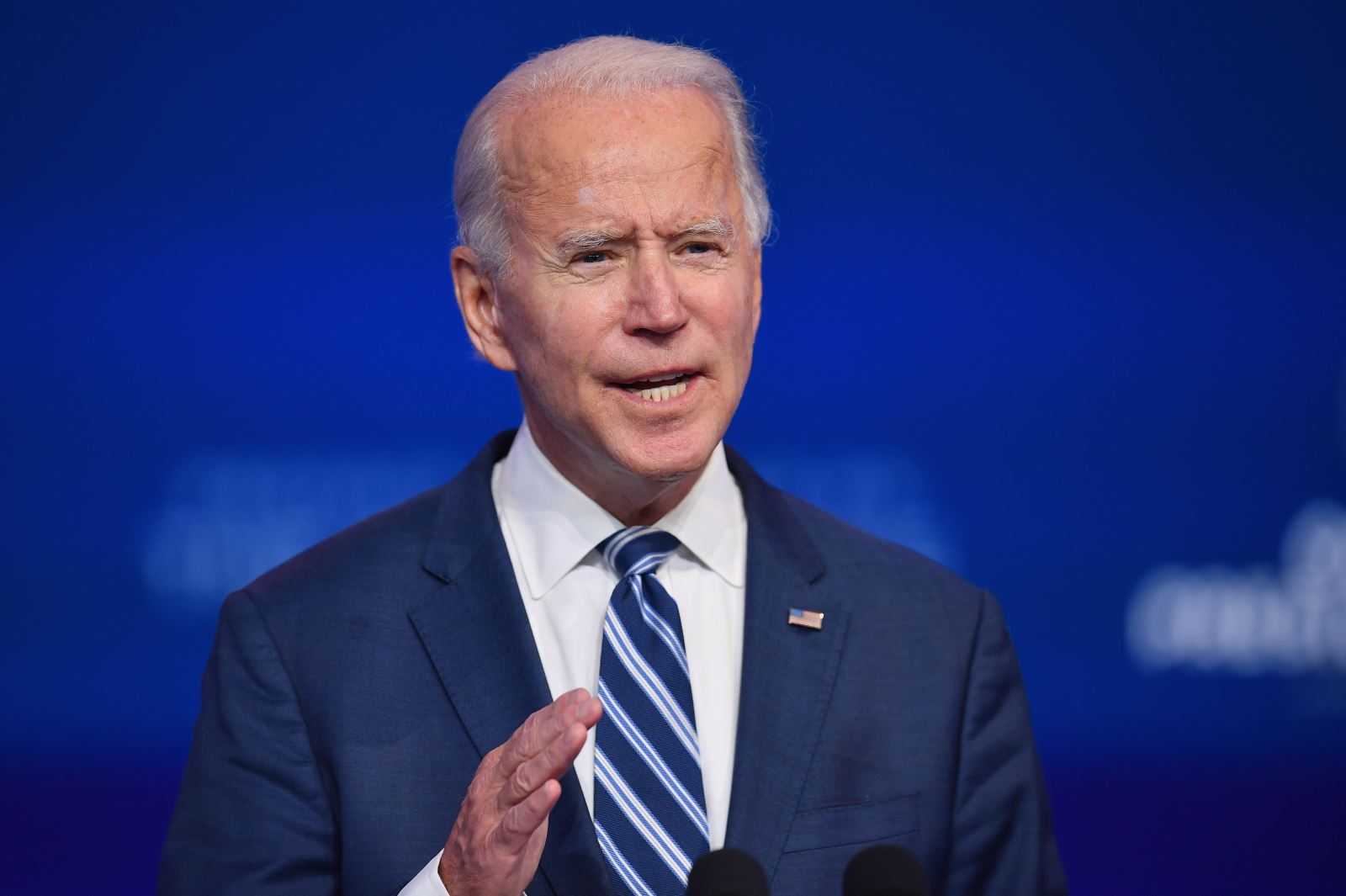
In fact, the highly publicized audit commissioned by the Arizona Senate in 2021 ultimately confirmed that Joseph R. Biden Jr. won the state, identifying slightly more votes for the Democratic candidate than were originally recorded in the certified results.
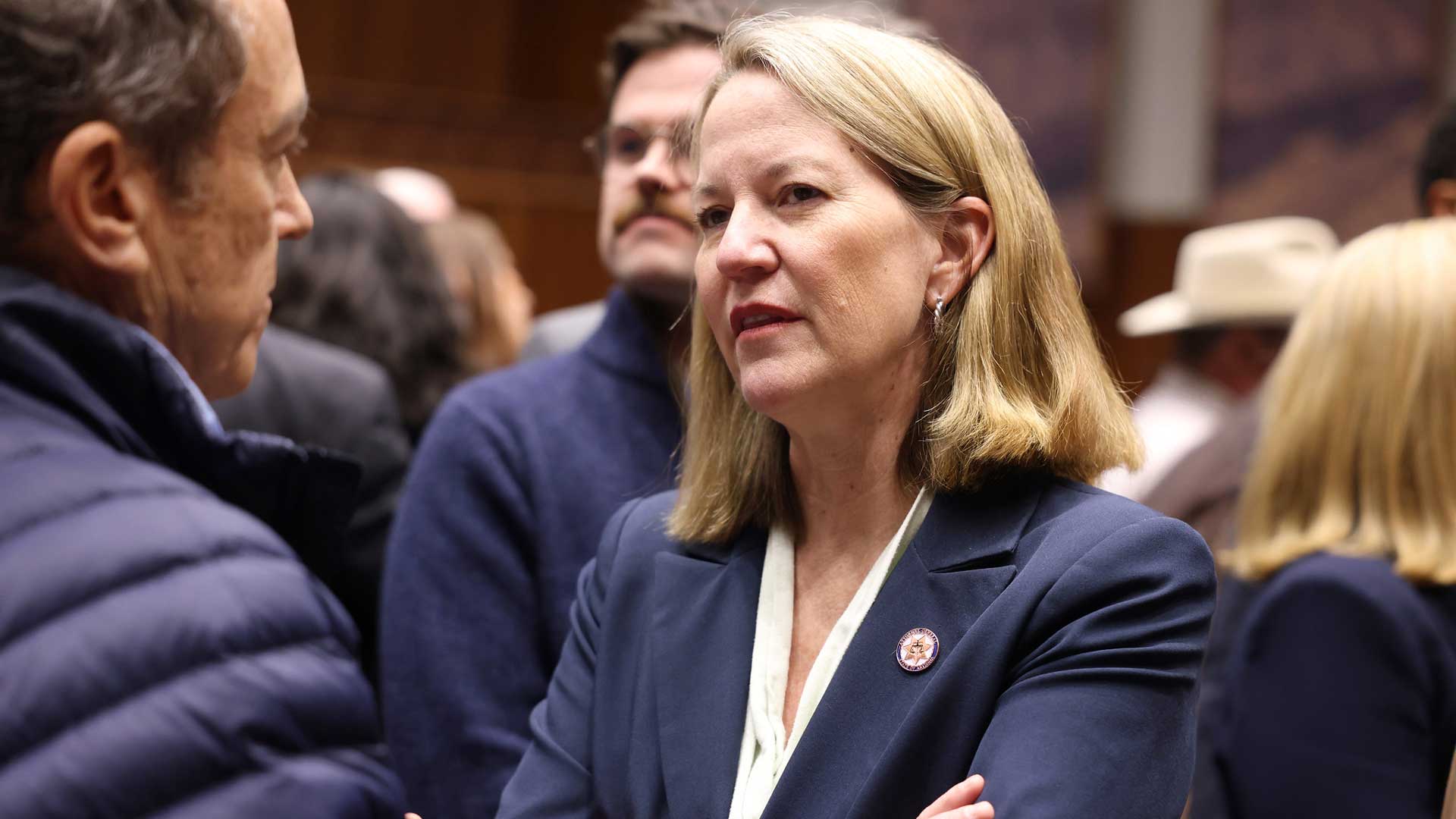
Arizona Attorney General Kris Mayes expressed concern about the renewed federal interest, saying the investigation risks reopening issues that have already been carefully reviewed. In a statement responding to the developments, Mayes suggested that the effort could be perceived as politically charged rather than a routine law-enforcement inquiry.
At the center of the current investigation is the controversial audit conducted by Cyber Ninjas, a Florida-based technology company hired by Republican lawmakers to review millions of ballots in Maricopa County following the 2020 election. The review attracted national attention and significant criticism from election experts, who questioned both the firm’s experience and its investigative methods.
During the months-long review, the company examined ballots and election equipment while exploring a variety of disputed claims about possible irregularities. One widely discussed theory involved speculation that some ballots might contain bamboo fibers, which proponents argued could suggest that they had been manufactured overseas.
Election officials and independent analysts repeatedly challenged the methodology used in the audit, arguing that the procedures did not follow widely accepted standards for election verification. Courts were asked on multiple occasions to intervene, ordering the audit organizers to release records and improve transparency surrounding their work.
Despite the intense scrutiny and millions of dollars spent on the review, the final report from Cyber Ninjas did not identify evidence of large-scale fraud. Instead, its conclusions confirmed the overall outcome of the 2020 presidential race in Arizona.
The digital records now obtained by federal investigators come from materials generated during that audit. Experts say the quality and reliability of the data could become an issue if it is used in any legal or investigative proceedings, given the criticisms surrounding the original review process.
Another area of concern involves the handling of voter information. Arizona officials had previously advised local election administrators to exercise caution when responding to federal requests for sensitive voter data. State leaders argued that federal subpoenas could potentially seek access to private voter details that courts have already ruled should remain protected.
In earlier disputes involving requests for election records, federal courts generally allowed investigators to review publicly available data while preventing the disclosure of confidential voter information.
In response to the latest developments, some Democratic leaders in Arizona have indicated they may pursue legal clarification regarding the nature of the information provided to federal investigators. Their goal, they say, is to ensure that no private voter data was included in the materials and that the information will be handled in accordance with existing election and privacy laws.
The renewed attention on election materials highlights the enduring political impact of the 2020 presidential race. Even after years of audits, court decisions, and investigations affirming the certified results, the election continues to influence political debates across the country.
For election officials, the situation underscores a broader challenge: maintaining public confidence in the electoral system while addressing ongoing political and legal disputes tied to past elections. As the nation prepares for future contests, the outcome of these investigations — and the public response to them — may shape how Americans view the integrity of their democratic institutions in the years ahead.






