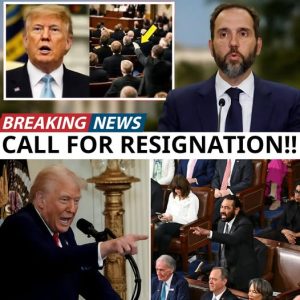
JACK SMITH’S TESTIMONY LIFTS THE VEIL ON THE TRUMP CASE — How “Proof Beyond a Reasonable Doubt” Collided With Presidential Power
The release of former special counsel Jack Smith’s closed-door testimony has abruptly reopened one of the most consequential legal questions in modern American politics: what happens when prosecutors say they can prove a president committed crimes, yet the law prevents them from acting?
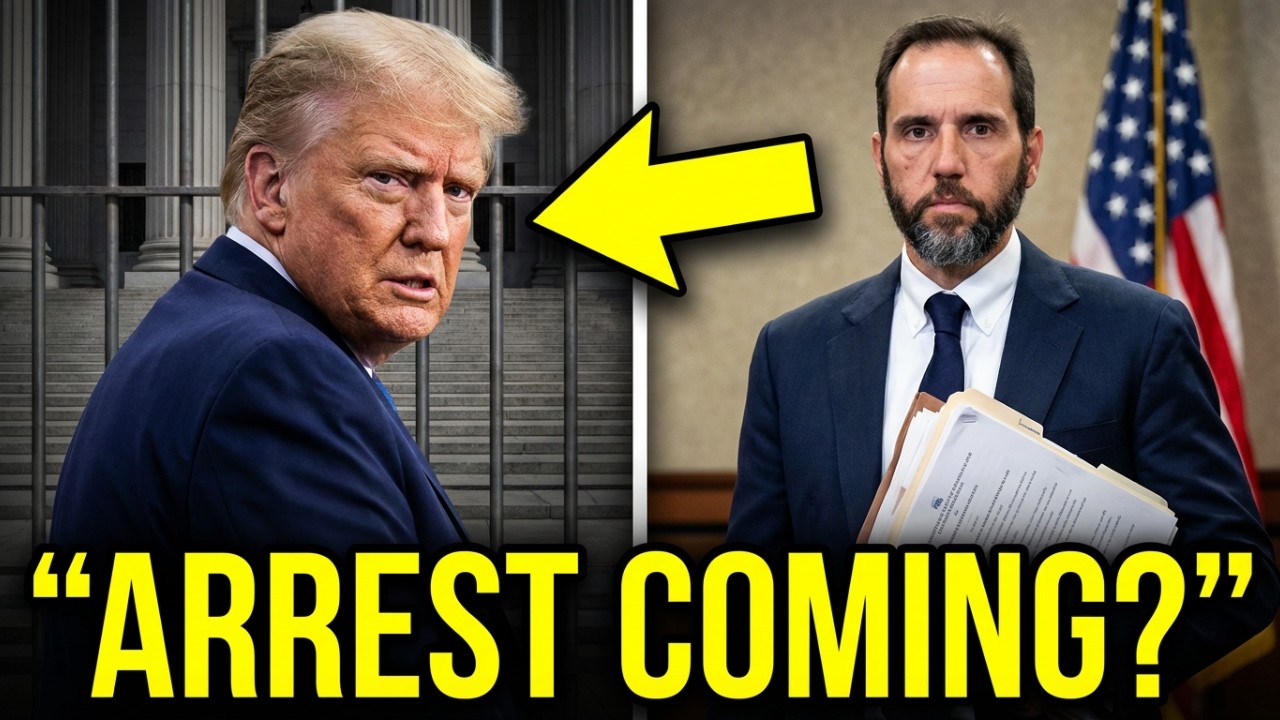
This week, the House Judiciary Committee published the full record of Smith’s deposition—255 pages of transcript and more than eight hours of video—taken earlier this month behind closed doors. What lawmakers intended as an aggressive probe into alleged “weaponization” of the Justice Department instead became a stark public accounting of why federal prosecutors believed they could convict TRUMP for his efforts to overturn the 2020 election.
Under oath, Smith stated plainly that his team found evidence “beyond a reasonable doubt” that TRUMP engaged in a criminal scheme to obstruct the lawful transfer of power. It was not hedged language or cautious prosecutorial phrasing. It was the highest standard in American criminal law, delivered calmly, methodically, and on camera.
For Smith, the case rested heavily on testimony from Republicans, including officials and advisers who, he said, placed loyalty to the Constitution above party allegiance. According to the former special counsel, TRUMP repeatedly rejected information from trusted sources when it contradicted his claims of widespread election fraud, then used those knowingly false assertions to pressure state officials, influence the Justice Department, and ultimately interfere with the certification of electoral votes.
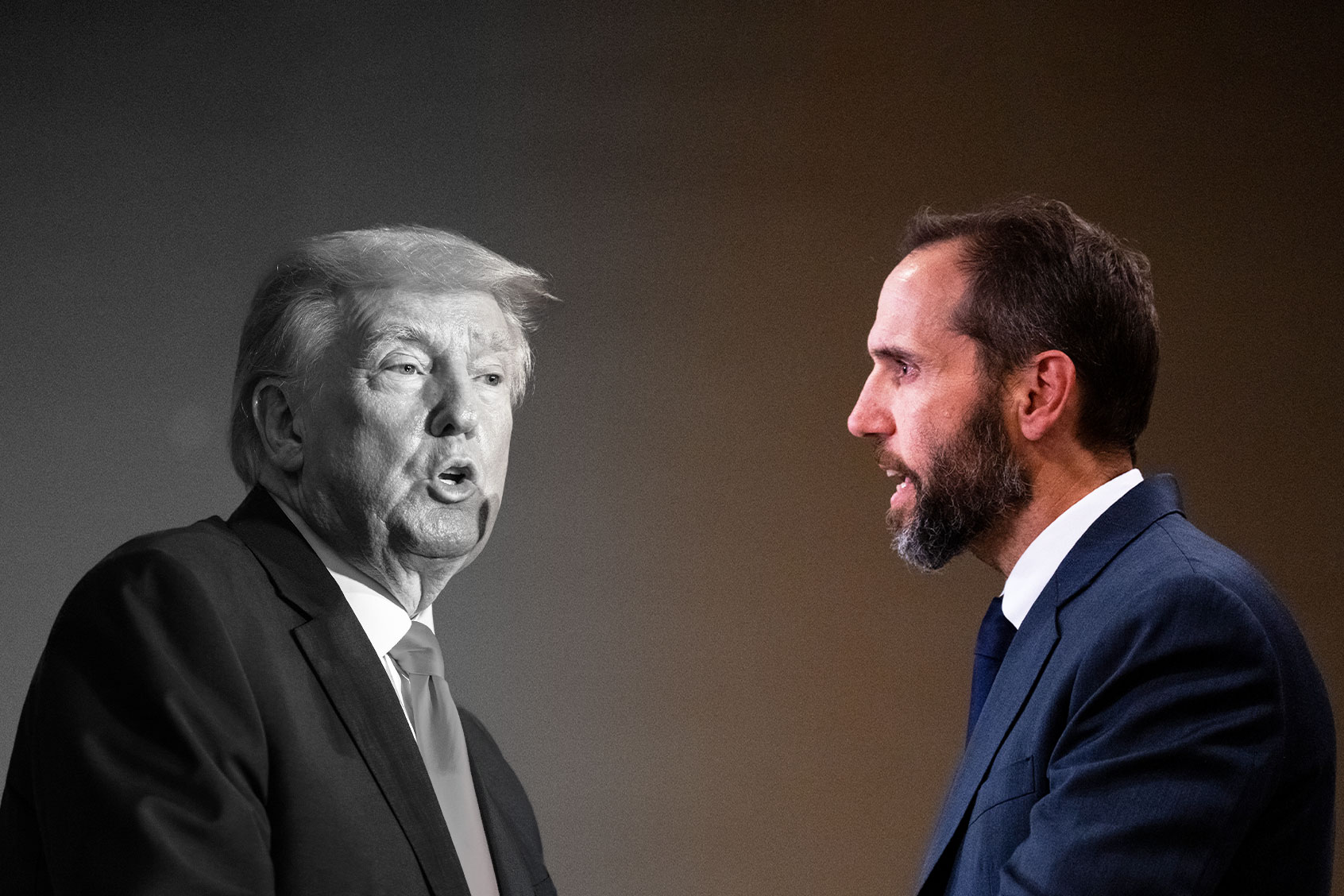
Republicans on the committee pressed Smith for hours, attempting to frame the investigation as partisan or politically motivated. The full recording shows little deviation from his central point: the evidence led where it led, and prosecutors followed it. Smith rejected the argument that TRUMP was merely exercising free speech or relying on legal advice. While a president may claim to believe an election was stolen, Smith said, that belief does not authorize using falsehoods to obstruct a legitimate government function.
Perhaps most striking was Smith’s assessment of responsibility. He told lawmakers that TRUMP was “by a large margin” the most culpable figure in the conspiracy, not a passive participant or a misled bystander. The conduct, Smith added, had “no historical precedent” among American presidents.
The immediate question raised by the testimony was unavoidable: if the evidence was so strong, why did the case not go to trial?
Smith’s answer, echoed throughout the deposition, pointed not to evidentiary weakness but to power. TRUMP’s return to the White House triggered long-standing Justice Department policy barring prosecution of a sitting president. Compounding that barrier, recent Supreme Court rulings expanding presidential immunity further complicated the legal landscape, narrowing the range of actions prosecutors could challenge while TRUMP remains in office.

The result is an extraordinary standoff. The evidence exists, documented in grand jury materials, reports, and now sworn testimony. The indictments were real. Yet enforcement has been paused—not because prosecutors doubted their case, but because the defendant occupies the nation’s highest office.
Legal analysts note that the deposition preserves a detailed roadmap should circumstances change. Presidents do not remain presidents indefinitely, and DOJ policy shields officeholders only while they serve. Smith’s testimony, now public, ensures that the factual record will not fade quietly into obscurity.
The political fallout has already begun. Some Republicans privately acknowledge that releasing the testimony may have backfired, placing Smith’s conclusions permanently on the public record. Democrats argue the deposition underscores a deeper structural problem: a system in which electoral victory can temporarily place a leader beyond the reach of criminal accountability.
Beyond TRUMP himself, the testimony raises broader questions about democratic governance. If winning an election can suspend prosecution for alleged crimes tied to that very election, critics ask, what does that mean for the rule of law? Supporters counter that voters, not prosecutors, rendered their verdict in 2024.
For now, the contradiction remains unresolved. A former special counsel has gone on record saying he had proof beyond a reasonable doubt. A sitting president remains legally untouchable. And the gap between those two realities has become impossible to ignore.
What Jack Smith’s testimony ultimately delivers is not an arrest warrant, but something more enduring: a detailed, sworn account of why prosecutors believed the case was strong—and why power, not proof, determined its fate. As that record circulates, fuels debate, and reshapes political narratives, one thing is certain: the implications are reverberating far beyond Capitol Hill, and the internet is exploding. 🔥