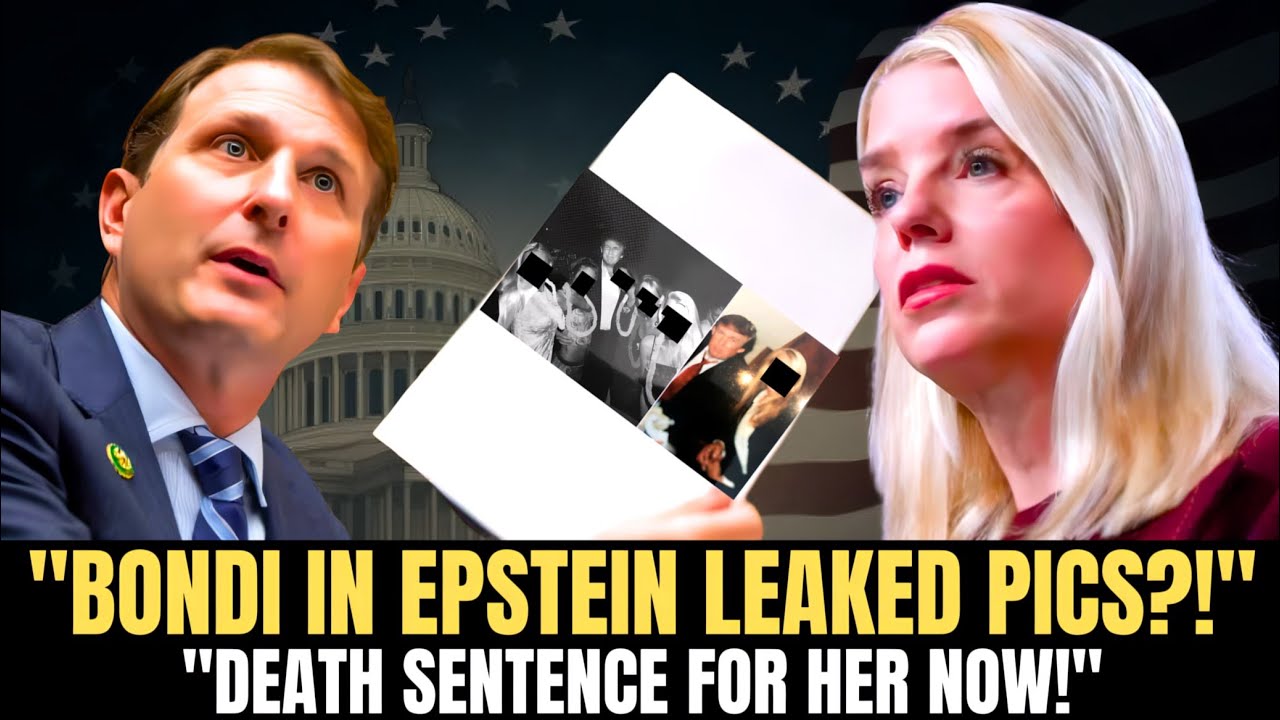
The hearing had followed a familiar script until it didn’t. Members shuffled papers, staffers whispered, and the rhythm of congressional oversight ticked along as expected. Then Representative Dan Goldman asked a question that landed like a dropped plate in a silent room: why, he wanted to know, had Attorney General Pam Bondi buried the Epstein files?
It was not phrased as a provocation. There was no theatrical flourish. That was precisely what made it unsettling. The question cut through weeks of evasions and procedural maneuvering and forced into the open an issue that many in Washington appeared determined to avoid. In the moments that followed, the temperature in the room seemed to drop. Lawmakers looked down. Staffers froze. The noise of routine oversight gave way to an unmistakable sense that a boundary had been crossed.
Goldman’s intervention came during a hearing of the House Homeland Security Committee, a panel with jurisdiction over the Department of Homeland Security. Yet much of the session had been spent relitigating the previous administration rather than scrutinizing the conduct of the current one. Goldman opened by challenging that premise directly. President Donald Trump, he reminded his colleagues, had been in office for months. If Congress was serious about oversight, it should focus on what was happening now.
What followed was a methodical dismantling of the committee’s priorities. Goldman described masked immigration agents arresting non-violent immigrants at courthouses, including individuals pursuing lawful asylum claims. He cited reports of detainees held in conditions so poor that even convicted criminals are typically spared them. He noted that members of Congress had been denied access to detention facilities despite a federal statute explicitly granting them oversight authority. None of this, he observed, had prompted sustained inquiry from the committee’s majority.
He went further. According to Goldman, FBI agents were being diverted from investigations into terrorism, violent crime, and child exploitation to assist immigration enforcement actions against people with no criminal records. The result, he argued, was not increased security but diminished public safety. Yet the hearing agenda, he suggested, treated these issues as peripheral at best.
Then Goldman pivoted. If the committee was unwilling to scrutinize the present, he said, it should at least confront a question that had once united both parties: transparency in the case of Jeffrey Epstein.
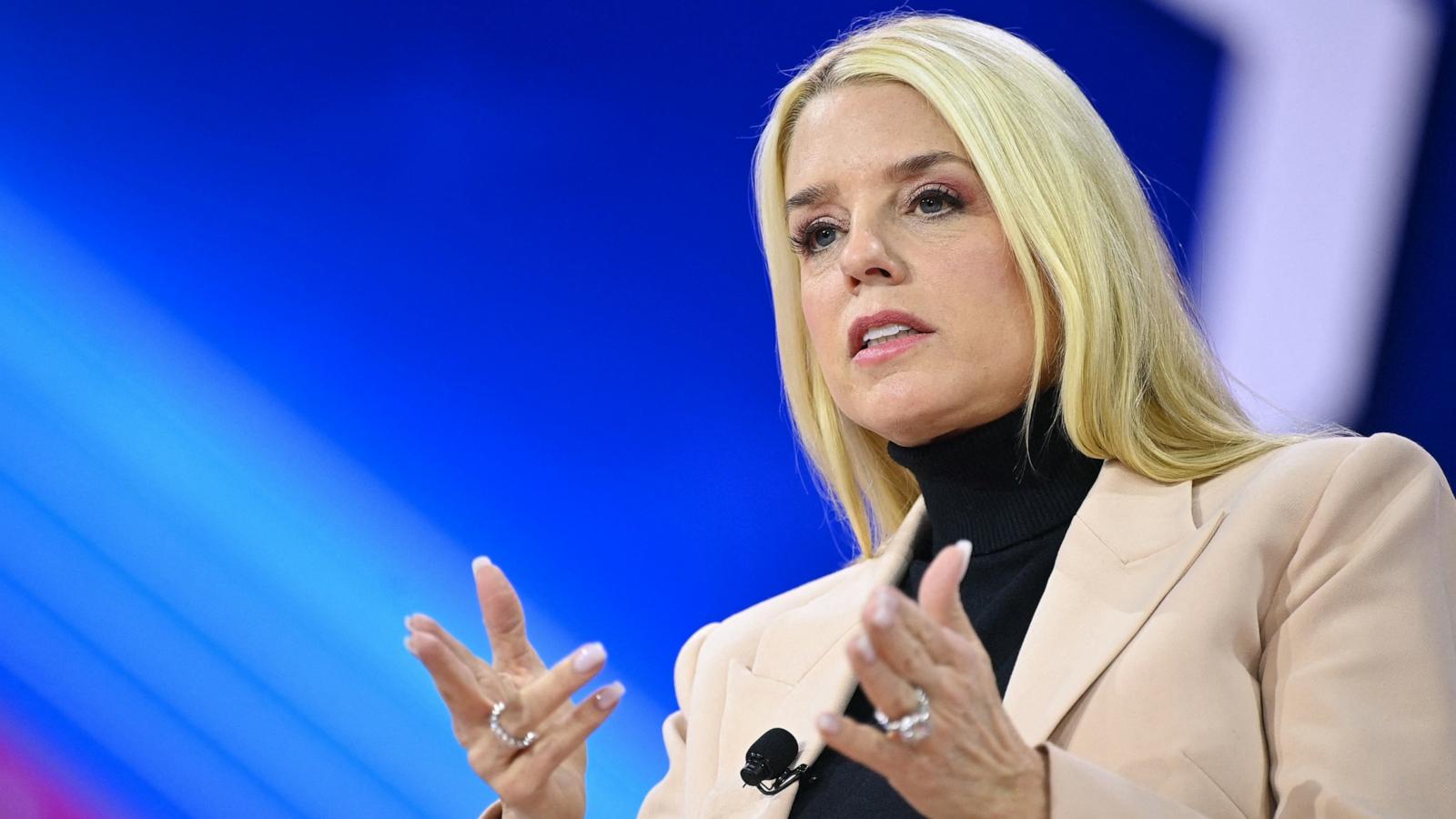
The hearing had followed a familiar script until it didn’t. Members shuffled papers, staffers whispered, and the rhythm of congressional oversight ticked along as expected. Then Representative Dan Goldman asked a question that landed like a dropped plate in a silent room: why, he wanted to know, had Attorney General Pam Bondi buried the Epstein files?
It was not phrased as a provocation. There was no theatrical flourish. That was precisely what made it unsettling. The question cut through weeks of evasions and procedural maneuvering and forced into the open an issue that many in Washington appeared determined to avoid. In the moments that followed, the temperature in the room seemed to drop. Lawmakers looked down. Staffers froze. The noise of routine oversight gave way to an unmistakable sense that a boundary had been crossed.
Goldman’s intervention came during a hearing of the House Homeland Security Committee, a panel with jurisdiction over the Department of Homeland Security. Yet much of the session had been spent relitigating the previous administration rather than scrutinizing the conduct of the current one. Goldman opened by challenging that premise directly. President Donald Trump, he reminded his colleagues, had been in office for months. If Congress was serious about oversight, it should focus on what was happening now.
What followed was a methodical dismantling of the committee’s priorities. Goldman described masked immigration agents arresting non-violent immigrants at courthouses, including individuals pursuing lawful asylum claims. He cited reports of detainees held in conditions so poor that even convicted criminals are typically spared them. He noted that members of Congress had been denied access to detention facilities despite a federal statute explicitly granting them oversight authority. None of this, he observed, had prompted sustained inquiry from the committee’s majority.
He went further. According to Goldman, FBI agents were being diverted from investigations into terrorism, violent crime, and child exploitation to assist immigration enforcement actions against people with no criminal records. The result, he argued, was not increased security but diminished public safety. Yet the hearing agenda, he suggested, treated these issues as peripheral at best.
Then Goldman pivoted. If the committee was unwilling to scrutinize the present, he said, it should at least confront a question that had once united both parties: transparency in the case of Jeffrey Epstein.
For years, demands to release Epstein-related files had been bipartisan. Lawmakers had framed transparency as a moral imperative, a way to expose networks that allowed a convicted sex offender to evade accountability for so long. Bondi herself had said publicly that the files were on her desk and would be released in the name of openness. The current FBI director, Kash Patel, had built a public profile criticizing past refusals to disclose them. Republican members had once pressed the issue with vigor.
Yet now, Goldman noted, after months of internal review, the answer from the Justice Department was starkly different: there was nothing to see. The committee had even voted against requiring further release. What had changed?
Goldman did not accuse anyone of criminal conduct. Instead, he laid out facts that made the reversal difficult to reconcile. Trump’s past association with Epstein — flights, social events, flattering remarks — is well documented. None of it proves wrongdoing. But it does raise questions about why transparency, once demanded so loudly, now seemed inconvenient.

The speculation surrounding the unreleased files has only intensified. Journalists have reported, without verification, that they contain references to powerful figures. A prominent technology executive suggested publicly that Trump himself was blocking their release. Trump responded online by acknowledging that he appeared in the materials while dismissing them as untrustworthy. That admission, limited though it was, sharpened public curiosity rather than dispelling it.
Against that backdrop, Goldman’s question carried weight. If there truly was nothing of public interest in the Epstein files, why fight so hard to keep them sealed? Why reverse years of rhetoric about accountability? Why deny subpoenas and rely on procedural barriers to end the discussion?
The reaction in the room was telling. Majority members attempted to cut Goldman off. Motions were raised. The focus shifted abruptly to rules and recognition rather than substance. It was, to observers, a familiar pattern: when oversight becomes uncomfortable, procedure becomes paramount.
But the discomfort lingered. Bondi had once promised transparency. Now she insisted silence was justified. The contradiction was stark, and Goldman made sure it was part of the record. His subpoena to Bondi, introduced later, underscored the point. It was not merely a demand for documents; it was an assertion that oversight loses meaning when it stops at the threshold of power.
The Epstein case has long symbolized a deeper failure in American justice — the perception that wealth and influence can insulate individuals from scrutiny while victims wait indefinitely for accountability. That perception hardens when information is withheld without clear explanation. In such cases, secrecy does not quiet suspicion; it magnifies it.
Goldman closed not with a speech but with a challenge implicit in his questioning. Oversight, he suggested, cannot be selective. It cannot demand transparency from the powerless while shielding the powerful. When institutions choose silence over disclosure, they erode trust not only in themselves but in the system they claim to defend.
The hearing moved on, as hearings do. But the moment lingered. In Washington, history is often made not by grand announcements but by brief ruptures in the script — moments when a question exposes how far practice has drifted from principle. Whether Congress follows that rupture toward accountability or papers it over with procedure will determine whether the silence that followed Goldman’s question was a pause before action, or the sound of a door closing once again.
For years, demands to release Epstein-related files had been bipartisan. Lawmakers had framed transparency as a moral imperative, a way to expose networks that allowed a convicted sex offender to evade accountability for so long. Bondi herself had said publicly that the files were on her desk and would be released in the name of openness. The current FBI director, Kash Patel, had built a public profile criticizing past refusals to disclose them. Republican members had once pressed the issue with vigor.
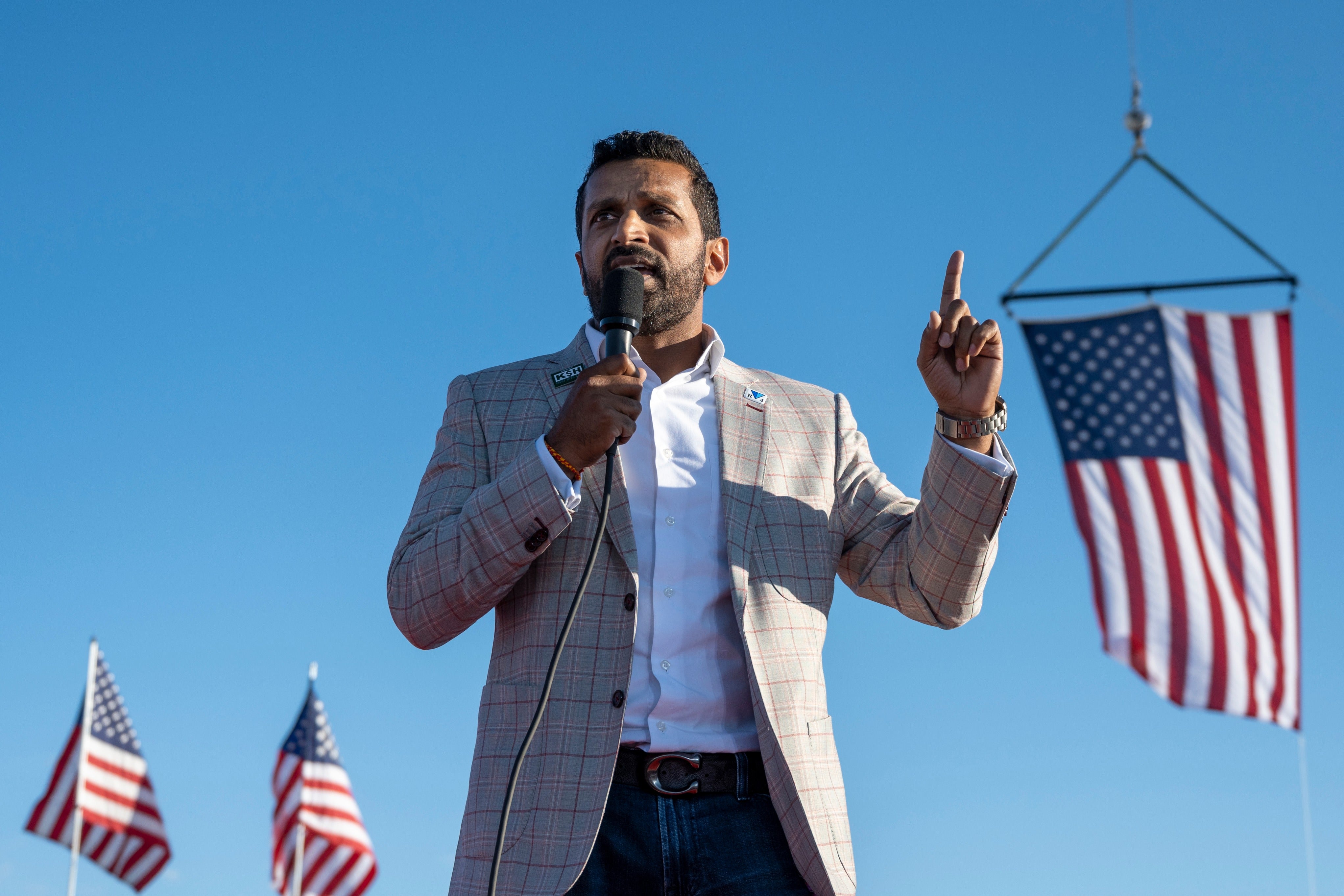
Yet now, Goldman noted, after months of internal review, the answer from the Justice Department was starkly different: there was nothing to see. The committee had even voted against requiring further release. What had changed?
Goldman did not accuse anyone of criminal conduct. Instead, he laid out facts that made the reversal difficult to reconcile. Trump’s past association with Epstein — flights, social events, flattering remarks — is well documented. None of it proves wrongdoing. But it does raise questions about why transparency, once demanded so loudly, now seemed inconvenient.
The speculation surrounding the unreleased files has only intensified. Journalists have reported, without verification, that they contain references to powerful figures. A prominent technology executive suggested publicly that Trump himself was blocking their release. Trump responded online by acknowledging that he appeared in the materials while dismissing them as untrustworthy. That admission, limited though it was, sharpened public curiosity rather than dispelling it.
Against that backdrop, Goldman’s question carried weight. If there truly was nothing of public interest in the Epstein files, why fight so hard to keep them sealed? Why reverse years of rhetoric about accountability? Why deny subpoenas and rely on procedural barriers to end the discussion?
The reaction in the room was telling. Majority members attempted to cut Goldman off. Motions were raised. The focus shifted abruptly to rules and recognition rather than substance. It was, to observers, a familiar pattern: when oversight becomes uncomfortable, procedure becomes paramount.
But the discomfort lingered. Bondi had once promised transparency. Now she insisted silence was justified. The contradiction was stark, and Goldman made sure it was part of the record. His subpoena to Bondi, introduced later, underscored the point. It was not merely a demand for documents; it was an assertion that oversight loses meaning when it stops at the threshold of power.
The Epstein case has long symbolized a deeper failure in American justice — the perception that wealth and influence can insulate individuals from scrutiny while victims wait indefinitely for accountability. That perception hardens when information is withheld without clear explanation. In such cases, secrecy does not quiet suspicion; it magnifies it.
Goldman closed not with a speech but with a challenge implicit in his questioning. Oversight, he suggested, cannot be selective. It cannot demand transparency from the powerless while shielding the powerful. When institutions choose silence over disclosure, they erode trust not only in themselves but in the system they claim to defend.
The hearing moved on, as hearings do. But the moment lingered. In Washington, history is often made not by grand announcements but by brief ruptures in the script — moments when a question exposes how far practice has drifted from principle. Whether Congress follows that rupture toward accountability or papers it over with procedure will determine whether the silence that followed Goldman’s question was a pause before action, or the sound of a door closing once again.






