The Library Loophole: Congressional Democrats Investigate ‘Quid Pro Quo’ Settlements Flowing to Trump’s Future Presidential Library
WASHINGTON, D.C. – A new political battle is brewing in Washington, but it is not focused on legislation or Supreme Court nominations. Instead, it centers on a question of money, influence, and a presidential library that, technically, does not yet officially exist. A group of congressional Democrats has launched an investigation into a series of high-profile legal settlements made to President Donald Trump, demanding to know where tens of millions of dollars are really going.
At the heart of the inquiry are payments from major corporations, including a $16 million settlement from Paramount Global, to a fund meant for President Trump’s future presidential library. The problem, according to investigators, is that the original library fund was quietly disbanded months ago, leaving the destination of the money unclear and raising allegations of a brazen pay-to-play scheme.
“Right now, there are basically no rules at all,” said Senator Elizabeth Warren, one of the lead voices in the investigation, during a recent interview. “Foreign nations, people seeking presidential pardons, and companies doing business with the federal government can dump tens of millions of dollars into these library slush funds while the president still sits in the Oval Office. That is wrong.”
The investigation, led by Warren, Senator Richard Blumenthal, and Representative Melanie Stansbury, targets settlements that have flowed to the president since he took office. The most glaring example is the Paramount case. Trump had sued CBS, a Paramount subsidiary, over the editing of a “60 Minutes” interview with his former political opponent. Legal experts widely considered the lawsuit to be without merit, especially after Trump won the election, effectively nullifying any claim of damages.
However, Paramount was simultaneously seeking approval from the Trump administration for a multi-billion dollar merger. Weeks later, the company announced it would settle the lawsuit for $16 million, with the funds directed to the presidential library.
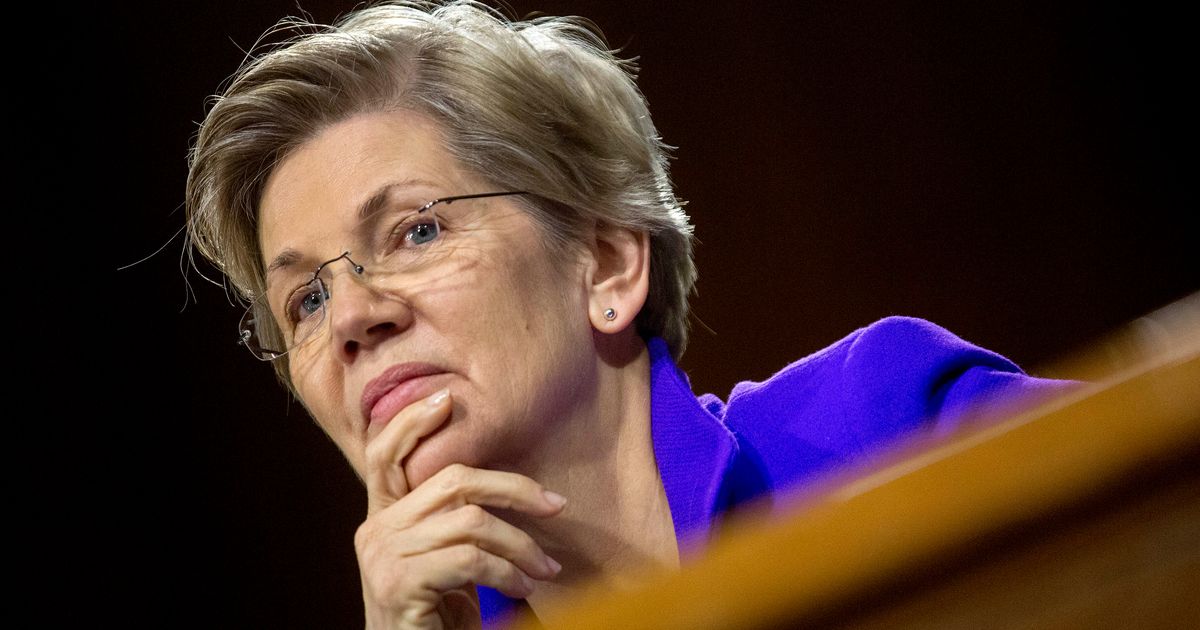
“That looks a lot like bribery, just right out in the open,” Warren stated. The pattern extends beyond media companies. Investigators are also scrutinizing a reported $400 million gift from the Qatari government, also designated for the library fund, which they view as a massive contribution from a foreign entity to a sitting president’s personal legacy project.
The timeline of the fund’s management has only deepened the suspicion. Records show that the presidential library fund was initially formed and later disbanded in October 2025 by the Dhillon Law Firm. The firm is connected to Harmeet Dhillon, who currently serves as a top attorney at the Department of Justice. This connection has led Democrats to question whether the administration is actively obfuscating the flow of money.
The letters sent by the Democratic trio do not ask the Department of Justice or the White House for answers, anticipating stonewalling. Instead, they are addressed directly to the corporations, including Paramount, Meta, and ABC’s parent company, demanding they disclose exactly who was paid and where the funds currently reside. The core question is whether the money is actually being held for a future library, or if it has been diverted, effectively allowing the president to personally benefit from settlements facilitated by his government position.
This inquiry is the latest in a series of ethical flashpoints surrounding the president’s finances. Critics point to the fact that 40% of Donald Trump’s wealth has been accumulated since he returned to office, fueled in part by lucrative cryptocurrency ventures and meme coins that have attracted foreign buyers willing to pay for access.
Furthermore, the scale of the inaugural fund, which raised hundreds of millions of dollars—far exceeding any previous president—has raised eyebrows regarding who is donating and what they expect in return.
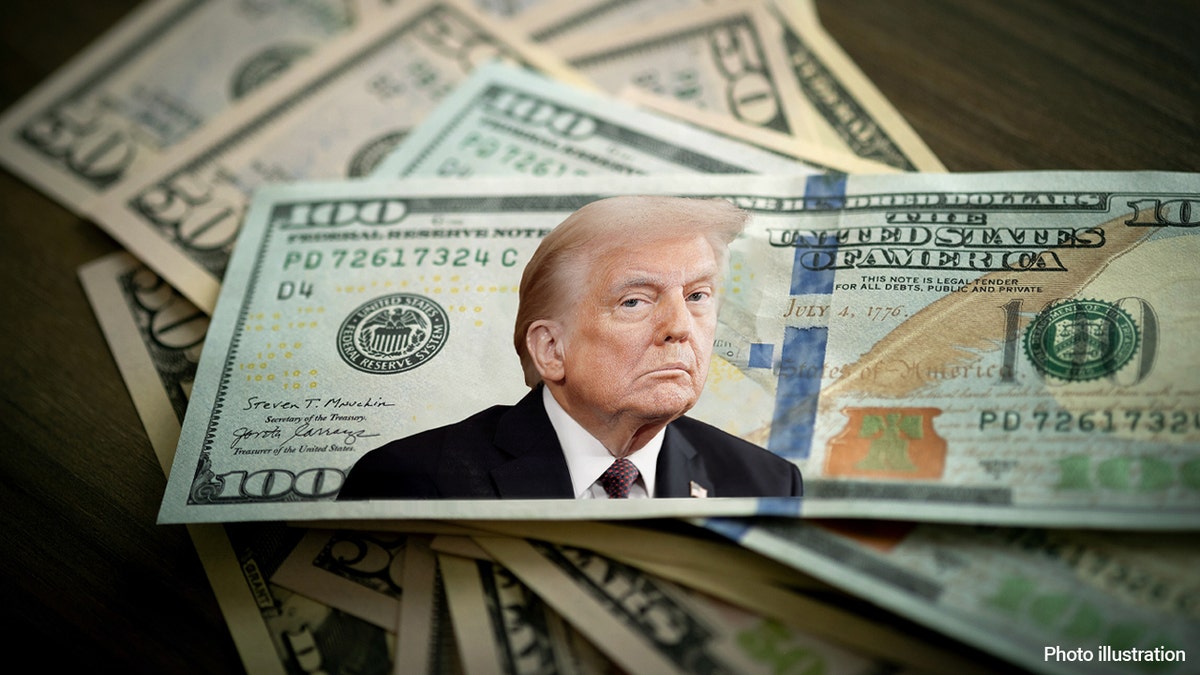
While defenders of the president argue that he has a right to run his businesses and plan for his legacy, the timing of the settlements presents an intractable conflict of interest. Companies needing government approval for mergers, like Paramount, or facing regulatory scrutiny are settling dubious lawsuits by writing massive checks to a fund controlled by the very person who oversees their fate.
“Government shouldn’t just work for whoever has the most money to throw into a president’s future library,” Warren concluded. “Our government should work for you.”
As the investigation unfolds, the pressure is now on the corporations to reveal the paper trail. If the money cannot be accounted for, or if it is found to have been used for purposes other than a legitimate library, the accusations of a quid pro quo could evolve from a political attack line into a much more serious legal matter. For now, the question remains: where is the money, and who ultimately benefitted?






